There was a social media unfriendly election yesterday in Somaliland. The self-declared republic joined the tall list of African countries that blocked social media during elections.
That was their way of dealing with fake news and rumours which they say may create instability in the country.
The election was however technologically friendly as they became the first country in Africa and the first in the world to use the iris recognition-based biometric voting system.
This is the scanning of the eye to verify the identity of registered voters before they are cleared to vote.
The machines have been under trial since 2015 ahead of the election held on November 13. It was successful and they made history.
Most countries including Ghana, Kenya and Angola use the fingerprint biometric voting system to identify registered voters.
It eliminated the problem of double voting. The disadvantage is mostly technical including the breakdown of machines and the running down of batteries which sometimes slows the process.
These problems did not affect the elections in anyway.
Somaliland has shown the way and I am sure the world will follow soon.
Watch this edition of Hi-Tech on The Morning Call with Ismail Akwei for more.
This article was first published by Ismail Akwei on africanews.com.
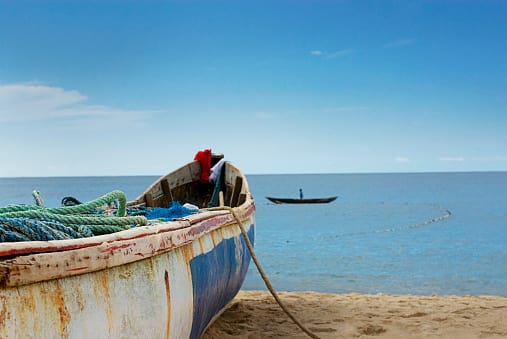
Fishing boat and fisherman. Liberia, West Africa. Photo By Figula Photography
Liberia has reclaimed its position as one of the most promising tourist destinations in Africa after facing years of civil war that tore through its rich history.
The West African country has moved on, and definitely merits a top spot in your list of travel destinations to explore.
The Ducor Hotel is seen on a hill overlooking the beach in the township of West Point, in Monrovia, Liberia, October 18, 2017. Picture taken October 18, 2017. Photo Credit: REUTERS/Thierry Gouegnon
The Honorary Consul General of Liberia in Georgia, U.S.A, Cynthia L. Blandford puts in a good word for the country she represents as she invites the world to the place she calls home.
“Liberians are lively, friendly people and they love to share their incredible culture and delicious and spicy food with their friends and family alike. You will know for sure you have been properly greeted in Liberia when the outstretched hand of a Liberian welcomes you home with the Liberian handshake followed by a finger snap.”
Liberia is blessed with beautiful resorts, surfable white sand beaches, historical/ cultural sites, uninhabited islands, wildlife sanctuaries, eco-tourism parks, waterfalls, bustling markets, to name but a few.
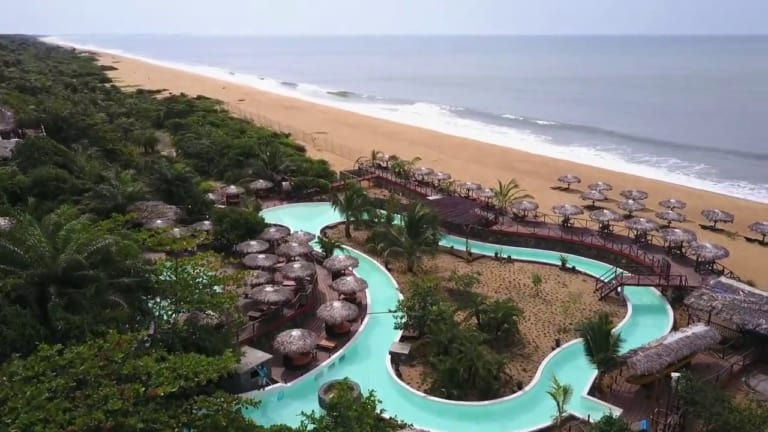
Libassa eco-friendly beach and lagoon resort in Monrovia, Liberia.
Resorts/ Hotels After a long journey to the country, one deserves a stay at the Libassa eco-friendly beach and lagoon resort outside the capital Monrovia. It has the popular “lazy river” winding around its luxurious chalets overlooking a lagoon and the Atlantic Ocean.
Nana’s Lodge is also an eco-friendly resort at the mouth of the surfable beach in Robertsport town in western Liberia. Guests sleep in thatched huts fitted with comfortable furniture. It is an ideal destination for surfers who can also opt to live at the Kwepunha Retreat in the town.
“I have stayed at the Kwepunha Retreat where the local fishermen pull fish right out of the ocean and cook it for you in this rustic lodge on the beach,” says Cynthia L. Blandford.
The Farmington Hotel located on the banks of the Farmington River less than 100 metres from Roberts International Airport near Monrovia has one of the best leisure facilities and conference centre of its kind. It recently hosted the 51st ECOWAS Summit.
There are other luxurious hotels in the country offering great local cuisine and wonderful hospitality services including the Kendeja Hotel, and the Grand Royal Hotel, Bella Casa Hotel.
The popular Anglers Bar and Restaurant has Karaoke night and offers a romantic view of the beach while having a tropical drink.
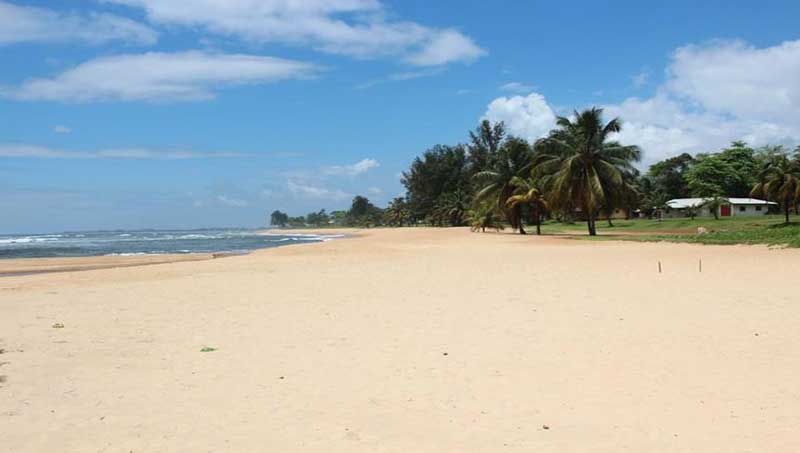
ELWA beach
Beaches Other beaches recommended for surfing in Robertsport are Cotton Trees, Cassava Point and Fisherman’s Point for professionals and beginners respectively.
CeeCee Beach close to the historic Hotel Africa near Monrovia gives a much quieter experience and a perfect spot to swim in a lagoon.
For the beach party lovers, the Silver Beach is your go-to place in Monrovia; or the popular Thinker’s Beach.
“With the historical and cultural ties between Liberia and the United States dating back over 170 years, a visit to Robertsport, named after Liberia’s first African-American President Joseph Jenkins Roberts, would be a missed opportunity for sun and fun,” said Cynthia.
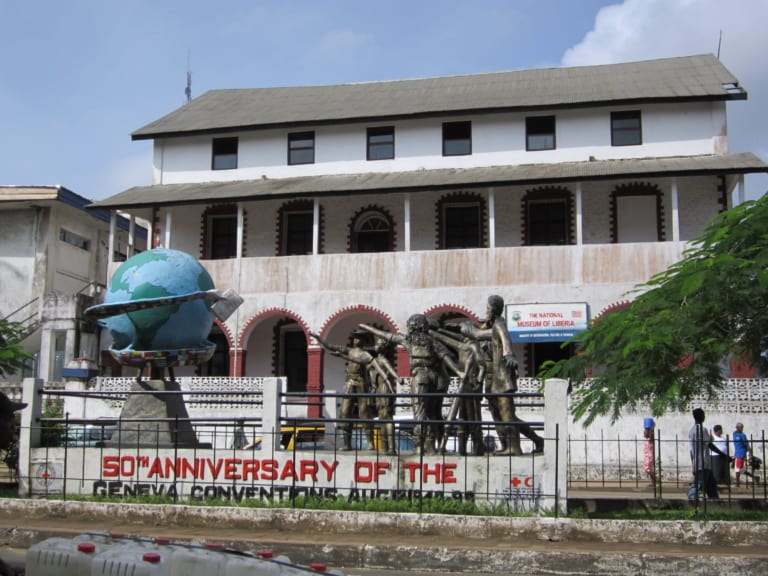
The Liberia National Museum
Historical Sites After you get refreshed, catch a glimpse of the historic Ducor Palace Hotel which is one of Africa’s first five-star hotels.
Built on the Ducor Hill in 1959, the once luxurious eight-storey world-class hotel was the capital’s highest point and the country’s main tourist attraction.
It has 106 luxurious rooms and hosted dozens of African leaders and international conferences until it closed down when the civil war began in 1989. It was later inhabited by displaced residents of Monrovia’s slums and never regained its status despite attempts to renovate it in 2010.
Not too far away is the iconic five-star Hotel Africa which was built in 1979 to host the guests of that year’s Organisation of African Unity (OAU) summit held in Monrovia for the first time. It became the largest hotel in the country and had an iconic Africa map shaped pool.
The non-functional Cape Palmas Lighthouse in Harper will give you a bird’s eye view of the coastal town.
The Liberia National Museum in Monrovia will usher you into the historical perspective of the beautiful country through its art and historical exhibitions.
The Firestone Rubber Plantation near Monrovia is the largest in the world and a place worth a visit. Don’t miss the Firestone 9-hole golf course and restaurant where you can play a round of golf, have lunch and relax before going back to the city.
Providence Island
Cultural Sites
The Providence Island is where freed American slaves first disembarked in the country in 1822. There is a ceremonial site where people celebrate the return of their ancestors.
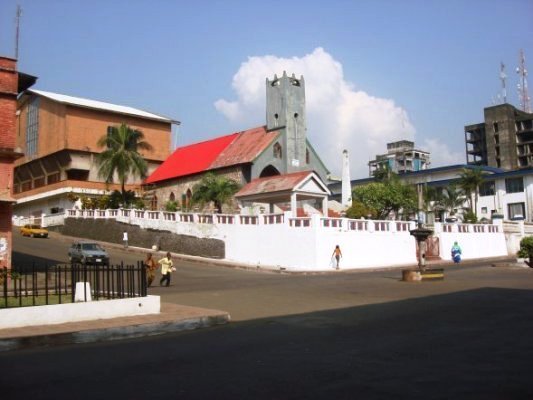
The Providence Baptist Church which is one of the oldest churches in West Africa still stands tall in Monrovia.
There are other monuments and buildings in Monrovia commemorating events and housing memorabilia of the country’s greatest leaders.
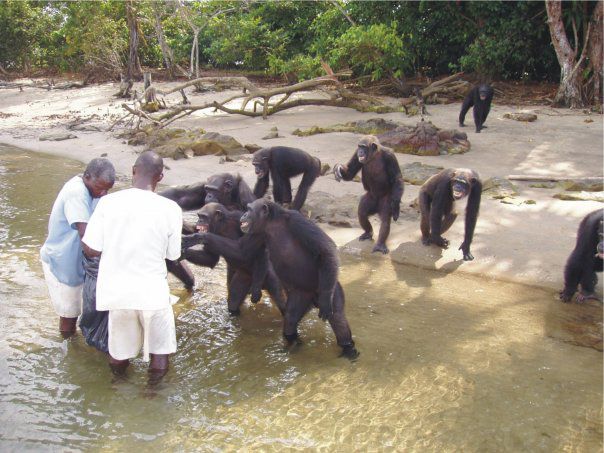
Uninhabited Islands The Monkey Island is an archipelago of six islands on the Farmington River in Marshall inhabited by chimpanzees. The chimps were subjects of a hepatitis research for 30 years by a New York lab.
The research ended in 2005 and they were freed on the islands. While you won’t be able to land on the island, you can pay a fisherman to take you around in a canoe to catch a glimpse of the monkeys.
Gola National Forest
Wildlife Sanctuaries
The Gola National Forest in the Gbarpolu County in northwest Liberia is home to several species of flora and fauna including birds, dragonfly, butterflies, frogs and several plants. It was established as a national forest in 1960 and covers 88,000 hectares bordering Sierra Leone.
Sapo National Park
Eco-tourism Parks Liberia’s only national park – Sapo National Park – is 1,808 square kilometres and home to elephants, antelopes, chimpanzees, African civet, giant forest hog, crocodiles, leopards among other animal species. It is located in Zwedru in the Grand Gedeh County and contains one of West Africa’s last remaining rainforests.
Kpatawee Waterfalls
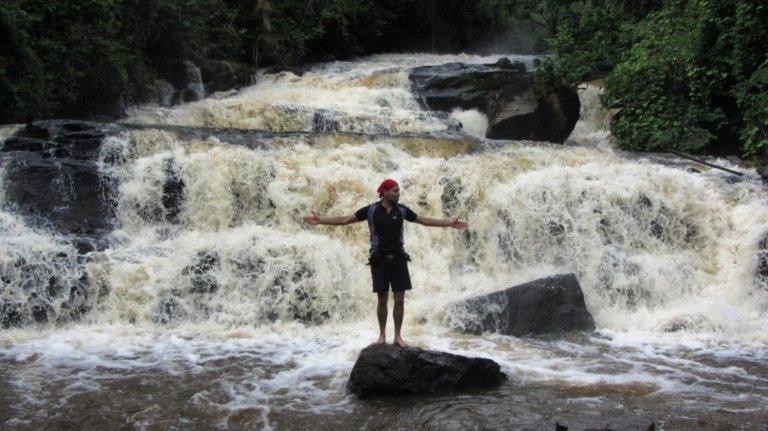
Waterfalls Liberia boasts of two waterfalls – Kpatawee Waterfall and Gbedin Waterfall. They are located in Gbarnga and Gbedin respectively. They are popular spots for picnics and swimming on a hot day. You can reach the falls after some few metres on foot.
Waterside Market
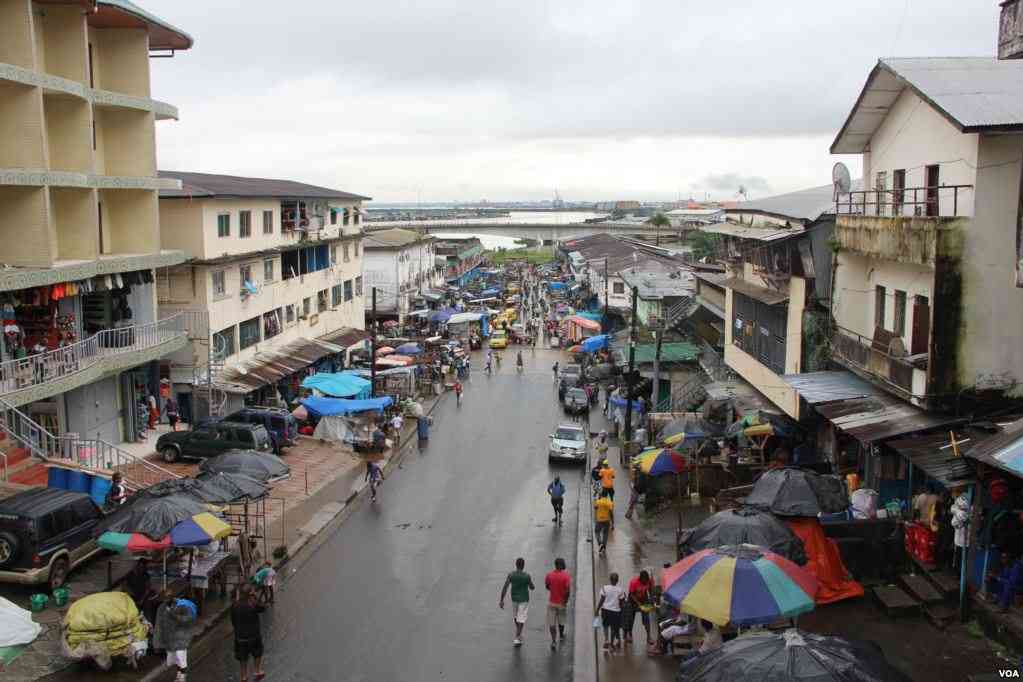
Bustling Markets You can’t leave Liberia without buying some artwork, textiles, shoes and any other souvenir at the Waterside Market in Monrovia – which is the largest in the country. Strike a bargain and the item is yours.
“Monrovia is memorable with great restaurants with huge, fresh lobster from the sea, live Liberian music and shopping for African fabric, beads, slippers and arts and crafts. Liberian honey is some of the best I have tasted and is quickly becoming a popular item to carry home for holiday gifts to loved ones,” hints Cynthia L. Blandford.
This article by Ismail Akwei was first published on face2faceafrica.com
Burundi’s request to withdraw from the International Criminal Court (ICC) has elapsed the one year period making the country the first in history to officially withdraw from the Rome Statute.
On October 27, 2016, Burundi presented its letter of intent to the immediate past Secretary General of the United Nations Ban Ki-moon to begin the one year withdrawal process.
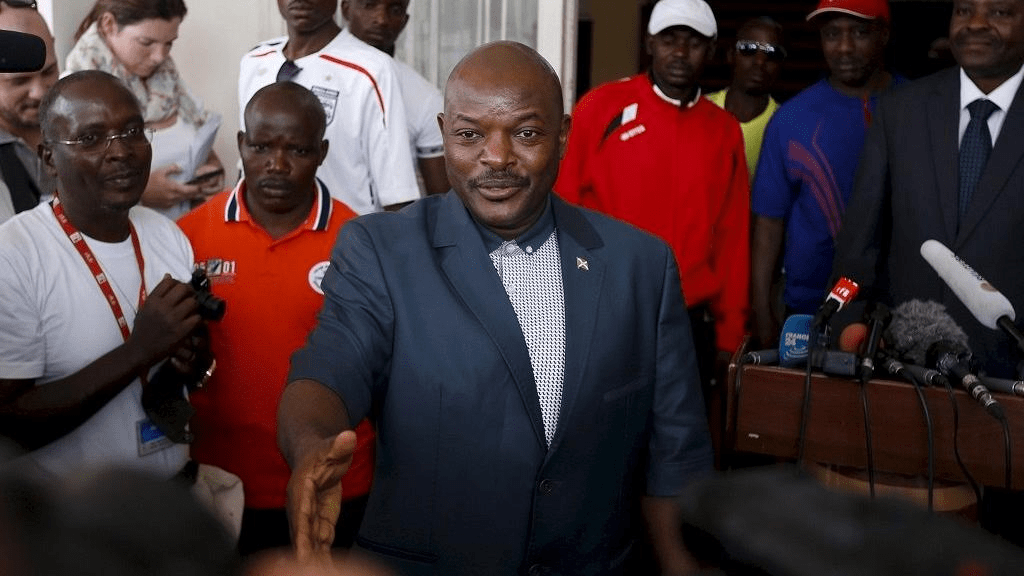
This follows the court’s decision to initiate an investigation into possible war crimes violations related to the violence in 2015 when President Pierre Nkurunziza announced that he was seeking a third term.
The process of withdrawal from the ICC was also started by The Gambia under exiled former President Yahya Jammeh due to alleged bias by the ICC to investigate and prosecute crimes committed by some Western countries and seeking only to prosecute Africans.
New Gambian President Adama Barrow revoked Jammeh’s withdrawal notice when he assumed office.
The African Union called for a mass withdrawal of member states in 2017 at an AU Summit arguing that the court unfairly singles out crimes in the continent for prosecution. The decision, which is not legally binding, was opposed by Nigeria and Senegal.
Kenya and Uganda also threatened to quit the ICC with Zambia launching a nationwide consultative process on whether to leave or stay as a member of the court.
93.3% of Zambians consulted affirmed that the country should remain in the ICC.
South Africa started its withdrawal process in 2016, making it the second country to apply to leave the Rome Statute.
A South African High Court, later in 2017, ruled that the government’s move to withdraw from the International Criminal Court was unconstitutional and invalid.
The government then notified the United Nations of its decision to reverse an earlier request to pull out from the International Criminal Court (ICC) to adhere to the court’s ruling.
Africa’s argument against the ICC
There was a gradual African disinterest in the court since 2009 when it issued an arrest warrant for Sudanese President Omar Al Bashir, whose country is not a signatory to the Rome Statute.
The arrest warrant was issued after a referral by the United Nations Security Council (UNSC) on charges of genocide in Darfur.
This was followed by indictments of the former Libyan President, Muammar Gaddafi, Kenyan President, Uhuru Kenyatta, and his deputy, William Ruto in 2011 for post-election ethnic violence in 2007-08, based on UNSC referrals.
The ICC dropped the charges against Kenyatta in December 2014 and against Ruto in April 2016.
The African Union unsuccessfully called on the UNSC to defer the case against Bashir as it might derail peace and reconciliation efforts in the fragile nation.
After rejection of its proposal, the AU asked African states not to cooperate with the ICC on the enforcement of the arrest warrant. This was adhered to by Kenya, Chad and South Africa.
The AU stance created a rift between South Africa and the court in June 2015 when South Africa ignored calls by the ICC and local courts to arrest Bashir who was in the country for an African Union Summit.
A South African court subsequently ruled that the government was wrong to have allowed him to leave despite the ICC arrest warrant.
“Heads of state enjoy diplomatic immunity against arrest. But because of signing the statute, South Africa waived such immunity and was thus obliged to arrest people wanted for crimes against humanity. The problem was identified and needs to be addressed,” the South African government explained.
ICC response
The current chief prosecutor of the ICC is Gambian Fatou Bensouda who is the first African to hold a top post at the ICC since 2012.
She succeeded Argentinian Luis Moreno-Ocampo who was accused by the African Union of selective justice by only investigating atrocities in Africa during his nine-year term.
Fatou Bensouda had argued that the ICC is “working with Africa, and working for African victims, so I don’t think the African Union should be against that.”
Also, the President of the Assembly of States Parties to the Rome Statute Sidiki Kaba had urged South Africa and Burundi to “reconsider their positions”.
“The withdrawal from the ICC Rome Statute by a State Party would represent a setback in the fight against impunity,” he said.
Rome Statute
The Hague-based International Criminal Court (ICC) was established by a Rome Statute adopted in 1998 to prosecute international crimes, including genocide, crimes against humanity, and war crimes committed within the territory of signatories and nationals of signatory countries. It came into force on July 1, 2002.
It was ratified by 123 countries including a total of 34 African states out of the then 54 countries.
An African country – Senegal – was the first to ratify the Rome Statute on February 2, 1999, and an African country – Burundi – was the first in history to start a withdrawal process last year.
In the 15-year history of the ICC, almost all of its cases under investigation or prosecution involve Africans, as many of them were referred to the court by signatory countries.
The Central African Republic, the Democratic Republic of Congo, and Uganda were the first countries to make referrals to the ICC for investigation and prosecution of war crimes.
Country composition
Only one Arab state – Jordan – has ratified the Rome Statute. The United States, Egypt, Iran, Israel and Russia have not ratified the statutes. China, India, Pakistan, Indonesia and Turkey have not even signed it.
Cases handled
The ICC has opened investigations into situations in nine countries including the Democratic Republic of the Congo; Uganda; Central African Republic (2 situations); Darfur, Sudan; Kenya; Libya; Ivory Coast; Mali; and Georgia.
The court has among others publicly indicted 40 people, issued 32 arrest warrants and 8 summons, detained seven with 10 fugitives at large, 8 in trial, one appealing conviction, 17 proceedings completed, three convictions etc.
Verdicts
The court issued its first verdict in March 2012 against Thomas Lubanga Dyilo, the leader of a militia in the Democratic Republic of Congo. He was sentenced to 14 years for war crimes relating to the use of children in the country’s conflict.
This was followed by the sentencing of Congolese Germain Katanga in 2014 to 12 years in prison for crimes against humanity and nine counts of war crimes during his time as leader of an armed group in 2003.
His sentence was reduced to 3 years and 8 months and transferred to the Democratic Republic of the Congo in 2015 to serve his sentence.
In September 2015, Malian Ahmad al-Mahdi was found guilty and sentenced to nine years for the war crime of “intentionally directing attacks against buildings dedicated to religion and/or historical monuments.”
In June 2016, Congolese Jean-Pierre Bemba was sentenced to 18 years in prison for crimes against humanity and five counts of war crimes in the Central African Republic from 2002 and 2003 as the leader of a Congolese rebel group.
Ex-president in custody
Former Ivorian President Laurent Gbagbo was transferred to the court in 2011 for allegations of organising, along with members of his inner circle, systematic attacks against civilians during post-election violence in 2010.
His trial commenced in 2016.
This article written by Ismail Akwei was first published by africanews.com
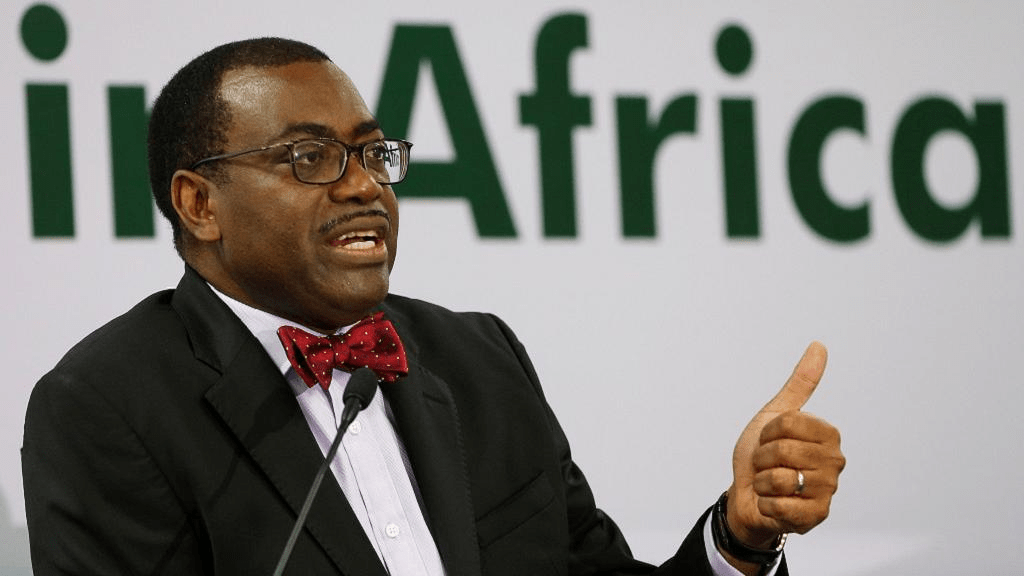
The African Development Bank President Dr Akinwumi Adesina has stressed the need for Africa’s vast savannah lands to be developed to achieve global food security.
The 2017 World Food Prize Laureate said the world needs to help Africa to rapidly modernise its agriculture and unlock its full potential to feed the world.
“There is therefore absolutely no reason for Africa to be a food-importing region. Africa has huge potential in agriculture, but, as Dr. Borlaug used to say, nobody eats potential! … Unlocking that potential must start with the savannas of Africa,” Adesina said during a lecture on World Food Day.
Africa’s savannas cover “a mind-boggling 600 million hectares of which 400 million hectares are cultivable … African farmers need more than a helping hand. They need a policy lift,” he said at the Norman Borlaug Lecture in the United States under the theme: Betting on Africa to Feed the World.
Adesina compared Africa’s savannahs to those of Brazil and Thailand that feed the world despite their acidic soils that need liming at massive scales before cultivation can be done.
“While the savannas of Brazil feed the world, those of Africa cannot even feed the farmers there. Policy support and massive investments in infrastructure made the difference to turn the savannahs of Brazil and those of Northern Thailand into a food powerhouse,” he added.
He called for the development of new agrarian systems, land tenure systems and land tax for unused agricultural land to provide incentives for faster agricultural commercialization.
Africa spends US $35 billion annually on food imports and estimated to spend US $110 billion by 2030 if the trend continues.
Adesina stressed that despite progress in global food production, the world has 700 million people languishing in extreme poverty, including 800 million with chronic hunger, 2 billion people with micronutrient deficiency, and 150 million children under 5 years who are stunted.
The AfDB president won the 2017 World Food Prize in June. He is the fifth African to take home the $250,000 prize for advancing human development by improving the quality, quantity or availability of food in the world.
This article was first published by Ismail Akwei on africanews.com.
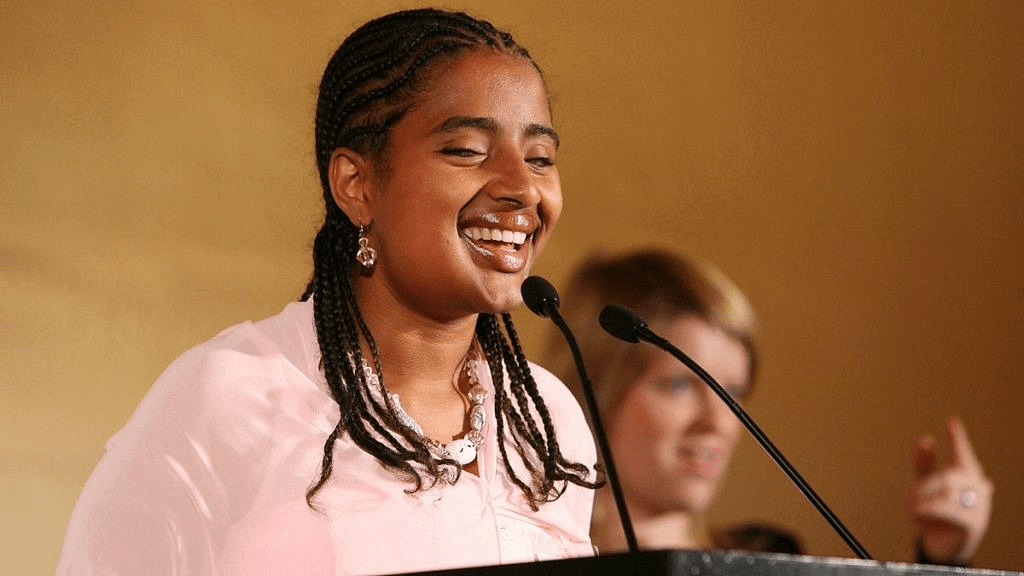
A blind female Ethiopian lawyer has been named a joint winner of the 2017 Right Livelihood Award, also known as Sweden’s alternative Nobel Prize.
The 35-year-old human rights lawyer Yetnebersh Nigussie was on Tuesday awarded 3 million Swedish crowns ($374,000) which will be shared among the three joint winners.
She was honoured for her inspiring work promoting the rights and inclusion of people with disabilities.
“I really want to see a world where nobody is discriminated because of his or her disability or any other status,” she told the Thompson Reuters Foundation.
“I started my fight, not by telling people, but showing people that I’m able to contribute. I have one disability but I have 99 abilities,” she added.
Yetnebersh Nigussie went blind at the age of five and was considered unfit in the community. Her parents enrolled her at the Catholic boarding school for girls with disabilities in the capital Addis Ababa where her life changed for the better, she narrated.
Nigussie, who is also a senior advisor at a charity that promotes disability rights said education was her turning point in her life and she pushed to make a difference.
She was one of three women to study law at Addis Ababa University in 2002 and she had to transcribe audio recordings of her legal books into braille throughout of her five-year degree.
“I was lucky to be educated. Education was a turning point that changed my blindness into an opportunity,” she said.
Yetnebersh Nigussie is among the first three blind women who went to law school and she helped establish the Center for Students with Disabilities at the Addis Ababa University and the Ethiopian Center for Disability and Development (ECDD).
She has won several awards and she says the Right Livelihood Award is her biggest so far. Nigussie is married with two daughters.
She won the joint prize with Colin Gonsalves, an Indian human rights lawyer, and female journalist Khadija Ismayilova for revealing government corruption in Azerbaijan.
This article was first published by Ismail Akwei on africanews.com.



 Ismail Akwei