Guinean lawmakers give first wives civil rights to approve polygamous marriages

The Guinean parliament has pleased many women in the French-speaking West African country by modifying a revised civil code that requires men who wish to marry extra wives to do so only after getting the approval of their first wives.

Passed last week and awaiting promulgation by the president, the revised civil code which prescribes monogamy for all Guineans adds that at the time of marriage, the new husband has to declare with the explicit agreement of his wife that he opts for polygamy.

The new husband is also required to choose, at the time of his first marriage, a limitation of two, three or a maximum of four wives, reports the BBC. This law was only opposed by four of the 111 members of parliament with two abstaining.

In December last year, the parliament ended three months of deliberation and amended the civil code which approved polygamy that was prohibited for civil marriages in Guinea.

This move was opposed by the Guinean president and many women in the country who protested against the amendment saying that it undermines women’s dignity and increases the risks of diseases and poverty.

However, its modification has received some praise from women who told the BBC that it is “a big step forward” for Guineans. “We are doing well now … Thanks to this law, marginalization of women will stop, until now their opinion was not important,” said a Guinean woman.

“If a woman does not think that her husband should take a second wife, the husband should refrain from doing so,” another woman also told the BBC.

Some Guinean men who spoke with the BBC were against the modification of the civil code saying “it gives women more power in the home”. “And if the woman does not agree, wouldn’t it cause problems?” another Guinean man wonders.

An imam of a mosque in Conakry outrightly rejected the new civil code saying it is contrary to Islamic laws of marriage.

“Islam allows men to take up to four wives, it does not say that if the first wife does not agree, we can not get a second one. The first wife can be informed of the decision to get a second,” Imam Cisse of the Kébé mosque is quoted by the BBC.

“Islam does not say that we should not look for a second wife because the first one does not agree, this law does not conform to the Islamic religion,” the imam added.

Before the revised civil code, polygamy is widely practised in religious marriages in Guinea and no one was sanctioned for it.

Polygamy is a centuries-old practice in Africa that has yet to disappear from modern life. It has both cultural and religious origins, and it is generally accepted in 26 out of 54 African countries, particularly Muslim majority countries.

In recent months, a court in Uganda threw out a petition to have polygamy declared unconstitutional.

The group behind the petition, MIFUMI, subsequently announced plans of filing a new challenge on the basis that the practice undermines women’s dignity.

When Kenya’s president, Uhuru Kenyatta, approved a law in 2014 allowing men to marry more than one wife, many female lawmakers condemned it.

Under the legislation, civil law, where a man was only allowed one wife, was brought in line with the customary law, where some cultures and societies allow multiple partners.

The law sparked negative reactions from the general public, particularly church leaders and feminists. Gathoni Wa Muchomba, a female lawmaker gradually encouraged men to marry more wives, saying that would solve problems of single motherhood, infidelity and divorces.

South Africa has also experienced polygamy for a time now – even its former president, Jacob Zuma was in power married to four women.

Tanzanian President John Magufuli recently also told men to marry “two or more wives” to reduce the number of single women.

This article by Ismail Akwei was first published at facae2faceafrica.com

Changing the African narrative a photo at a time, Adnan Mohamed captures the beautiful Somaliland

Adnan Abdo Mohamed, Somaliland storyteller

A

dnan Abdo Mohamed is a visual storyteller who has published two photo essays and his work is recognized and published by popular local and international media including CNN’s African VoicesHorndiplomat and Le Monde magazine.

The story of Africa and its culture can only be found among its people who live the beautiful moments shared. The image of the continent has for a long time been shattered by misrepresentations of the continent in Western media.

Many young Africans have taken it upon themselves to tell their own stories by using the media to reverse the damage done to the most diverse continent in the world.

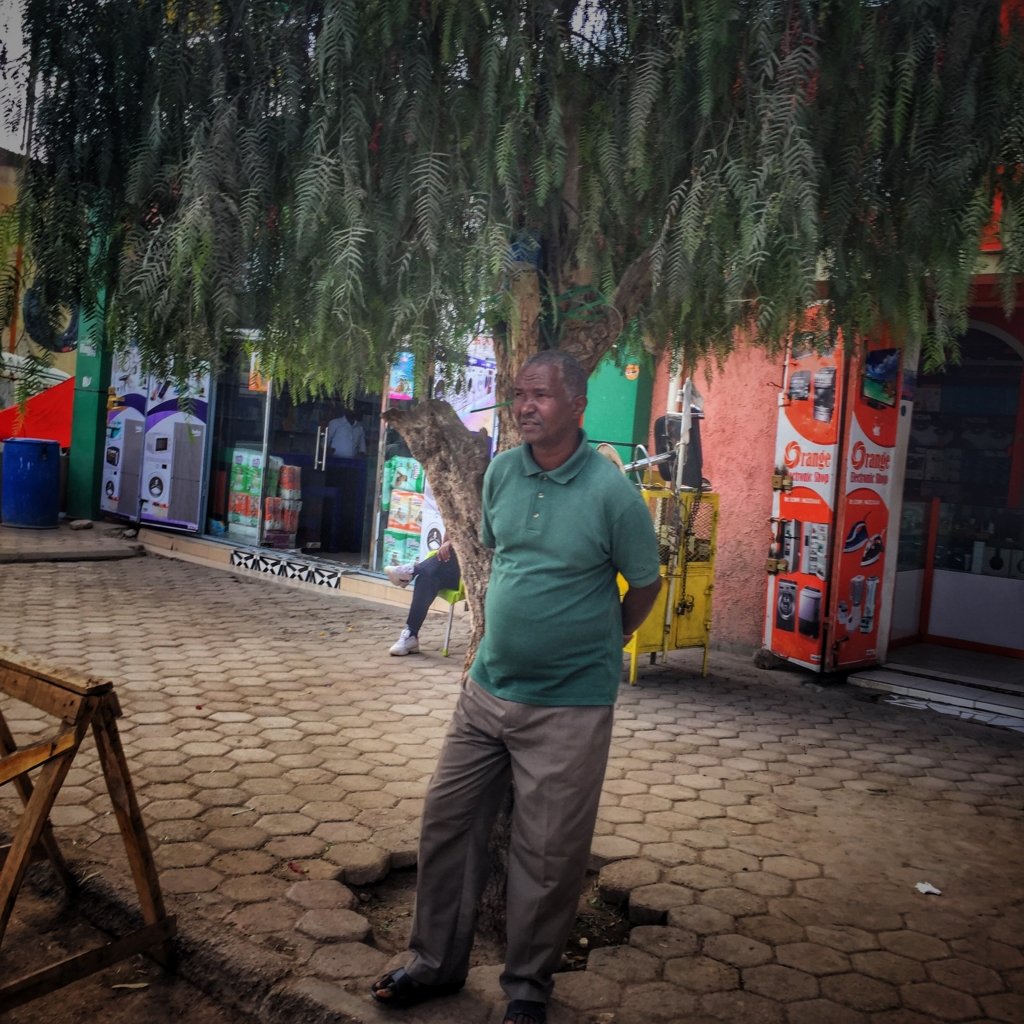
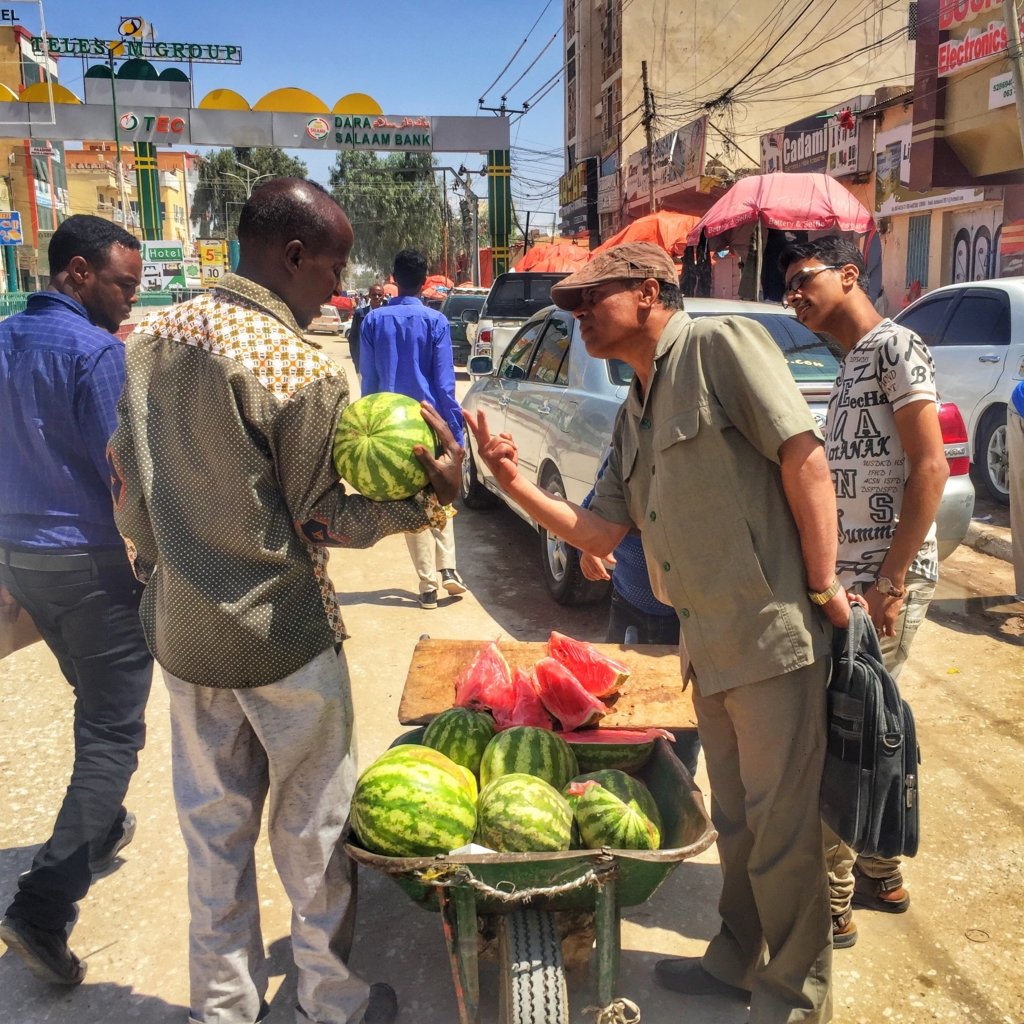
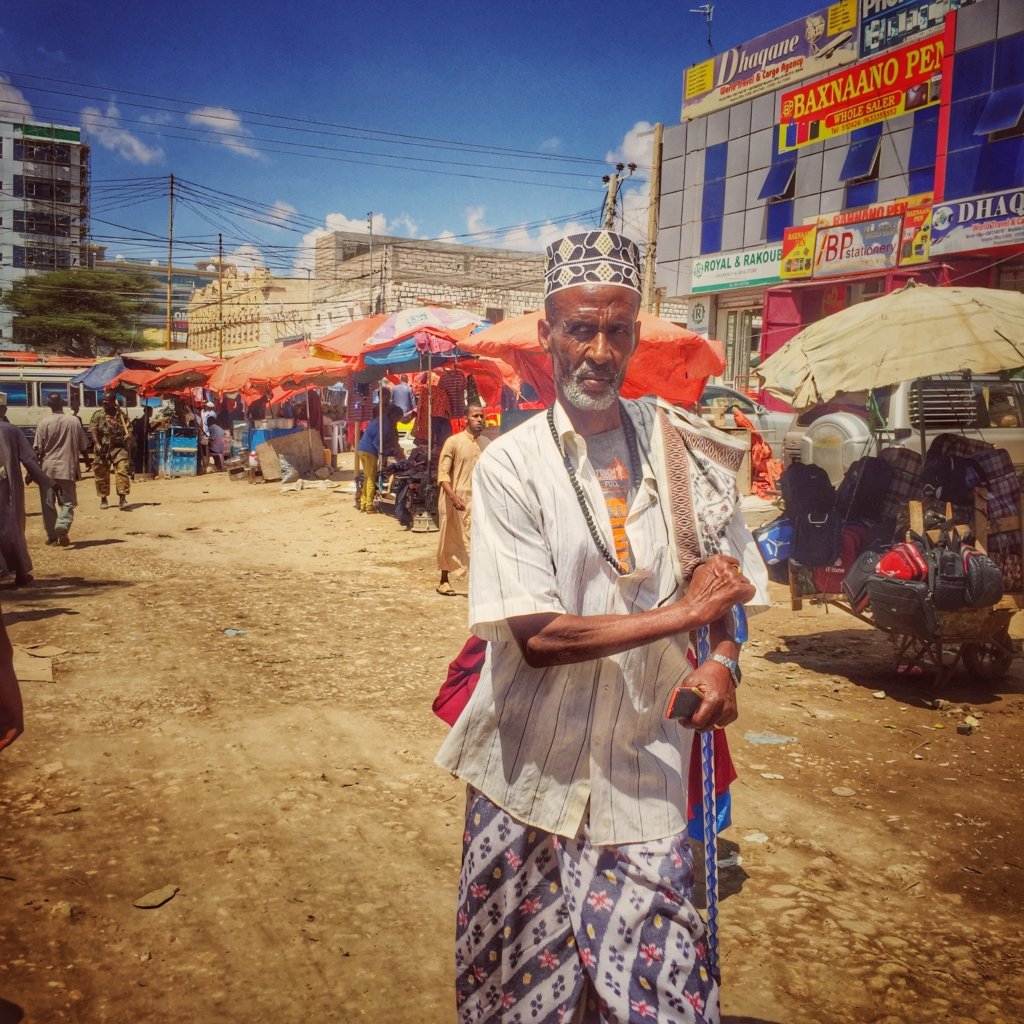
This task of changing the narrative is being undertaken by an optometrist in the self-declared independent nation of Somaliland who is capturing the colorful everyday life of the people using his smartphone.

He shared his story with Face2Face Africa and his journey in rebranding his community and country via his smartphone:

Adnan Abdo Mohamed

My name is Adnan Abdo Mohamed, from Burao, Somaliland. I’m an optometrist by profession – which relates to the specialization of human eye and vision.

As a passionate pan-Africanist, I was appointed as the country representative for African Youth Parliament and I also founded the Center for Youth Empowerment. I’m also a visual storyteller who roams the downtown areas of Somaliland’s cities; capturing candid and colorful street scenes with my smartphone!

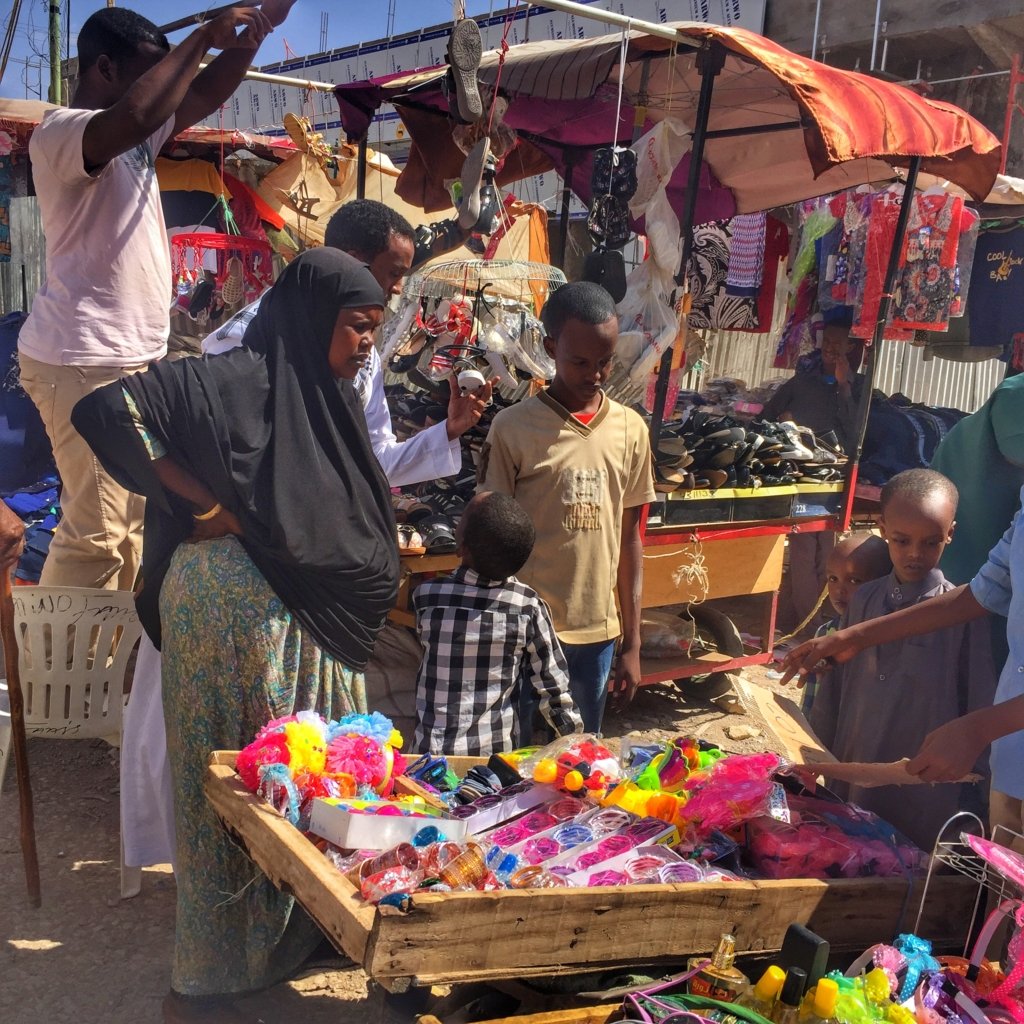
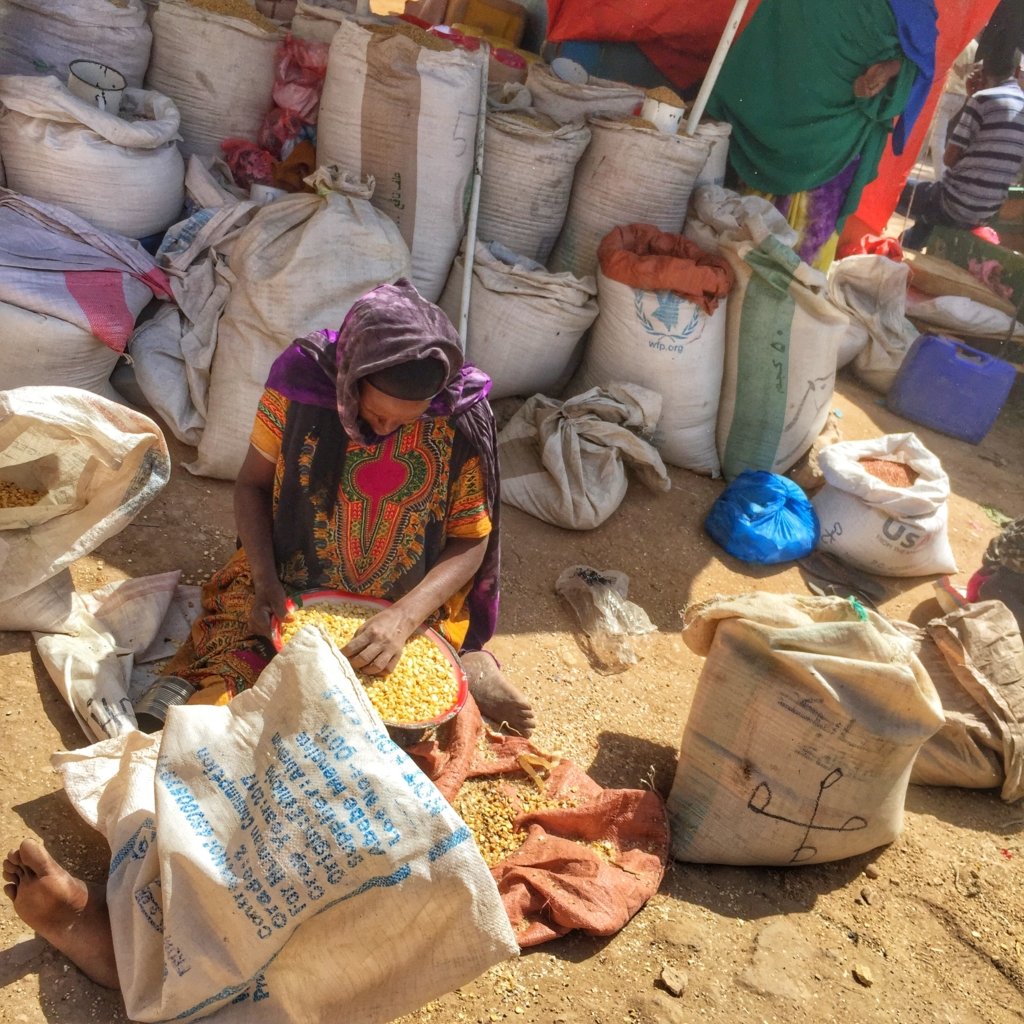
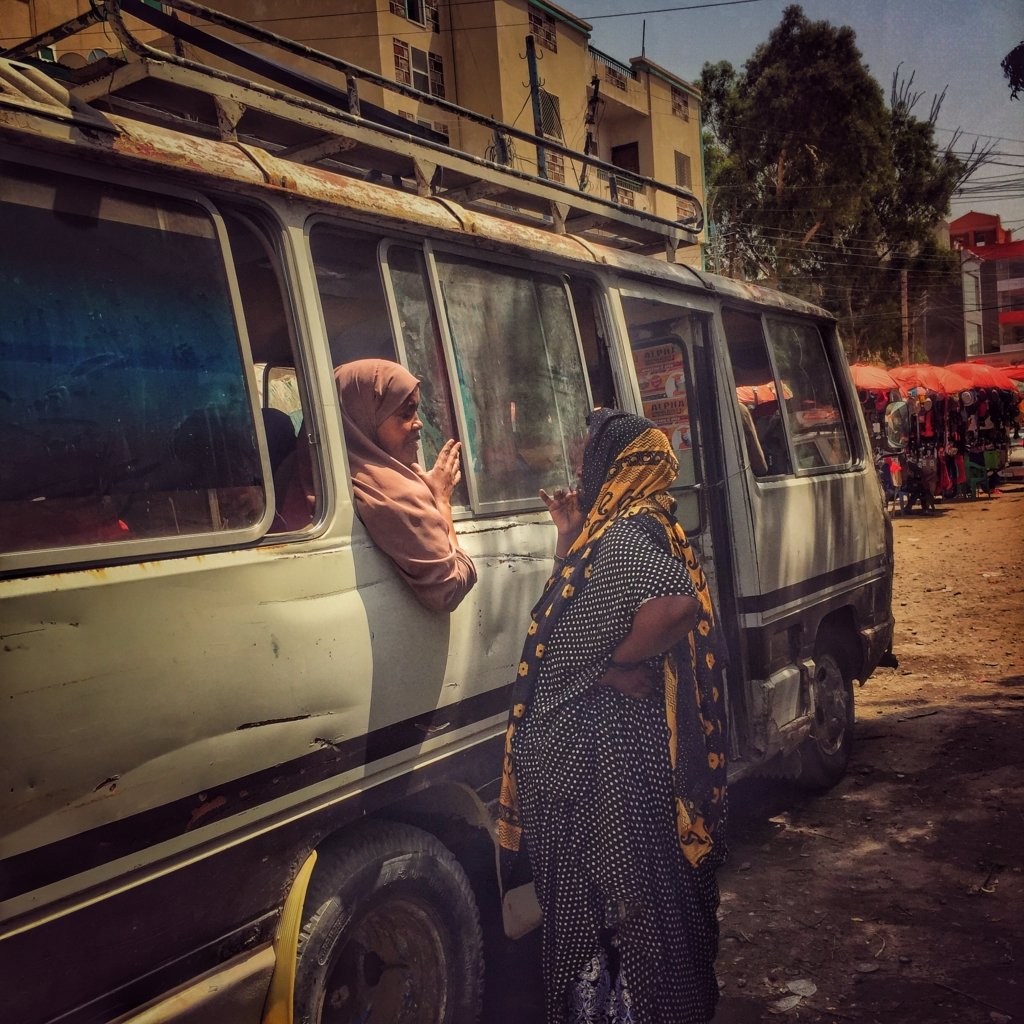
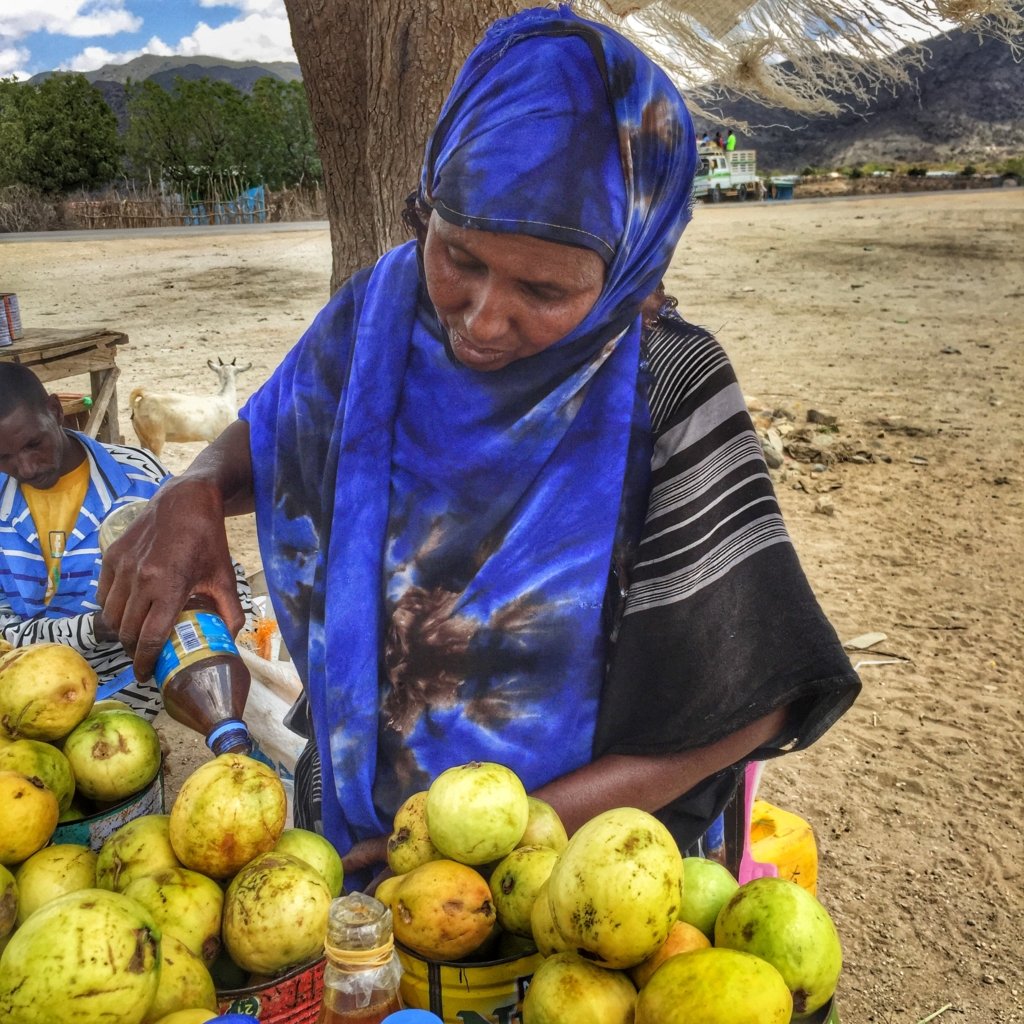
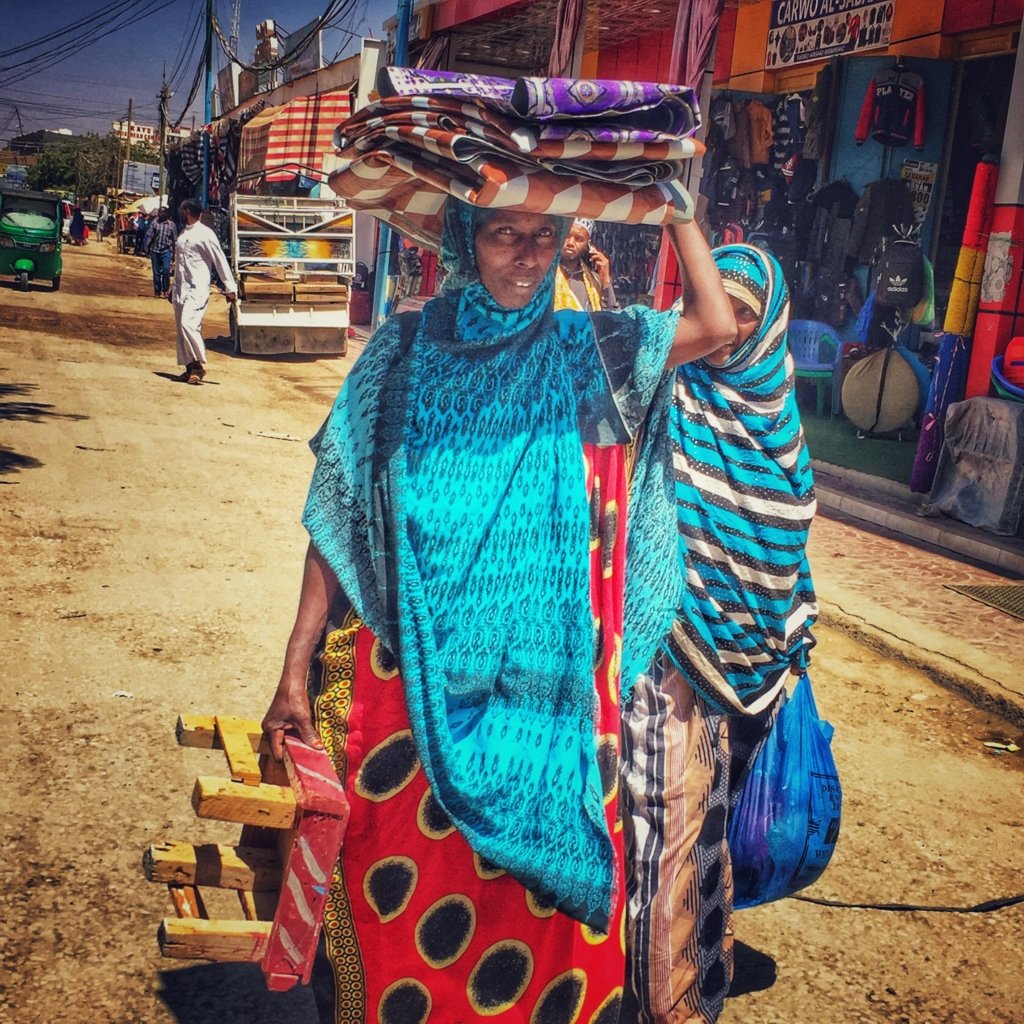
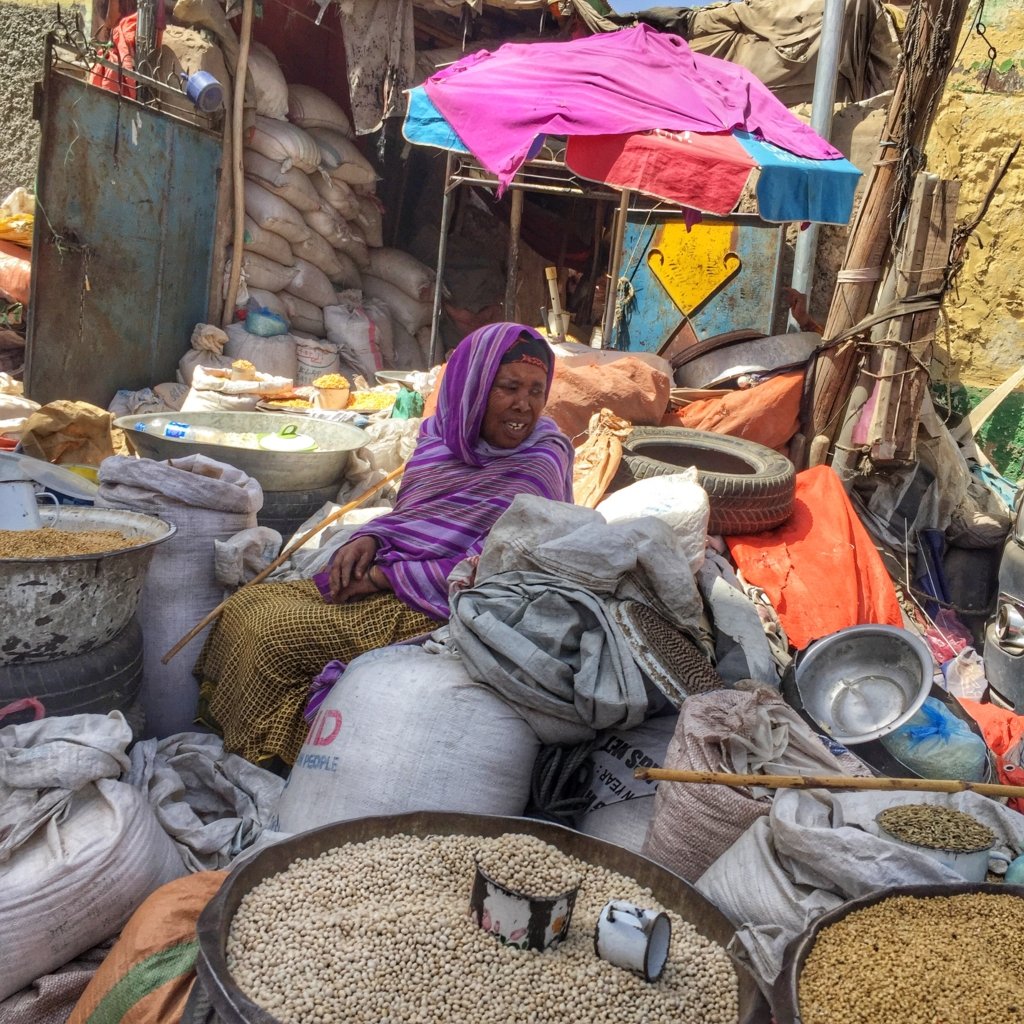
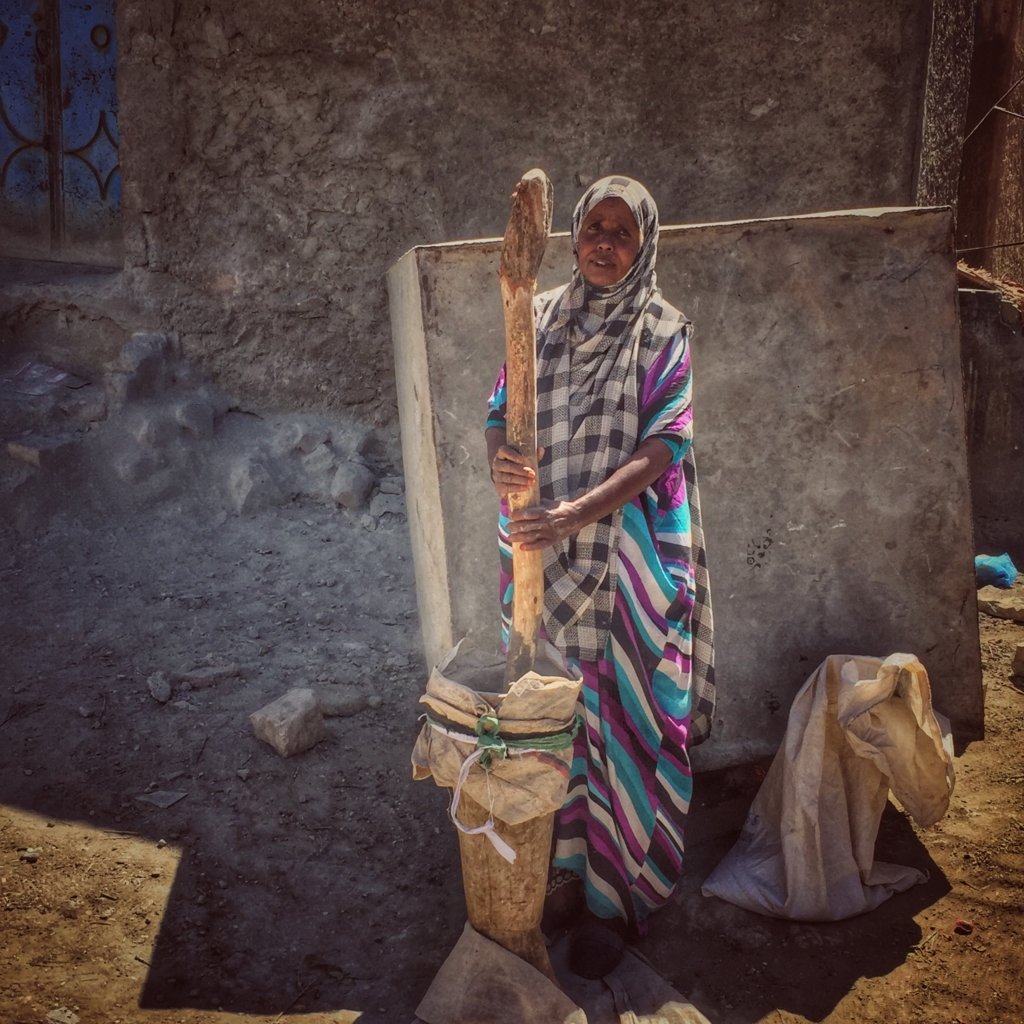
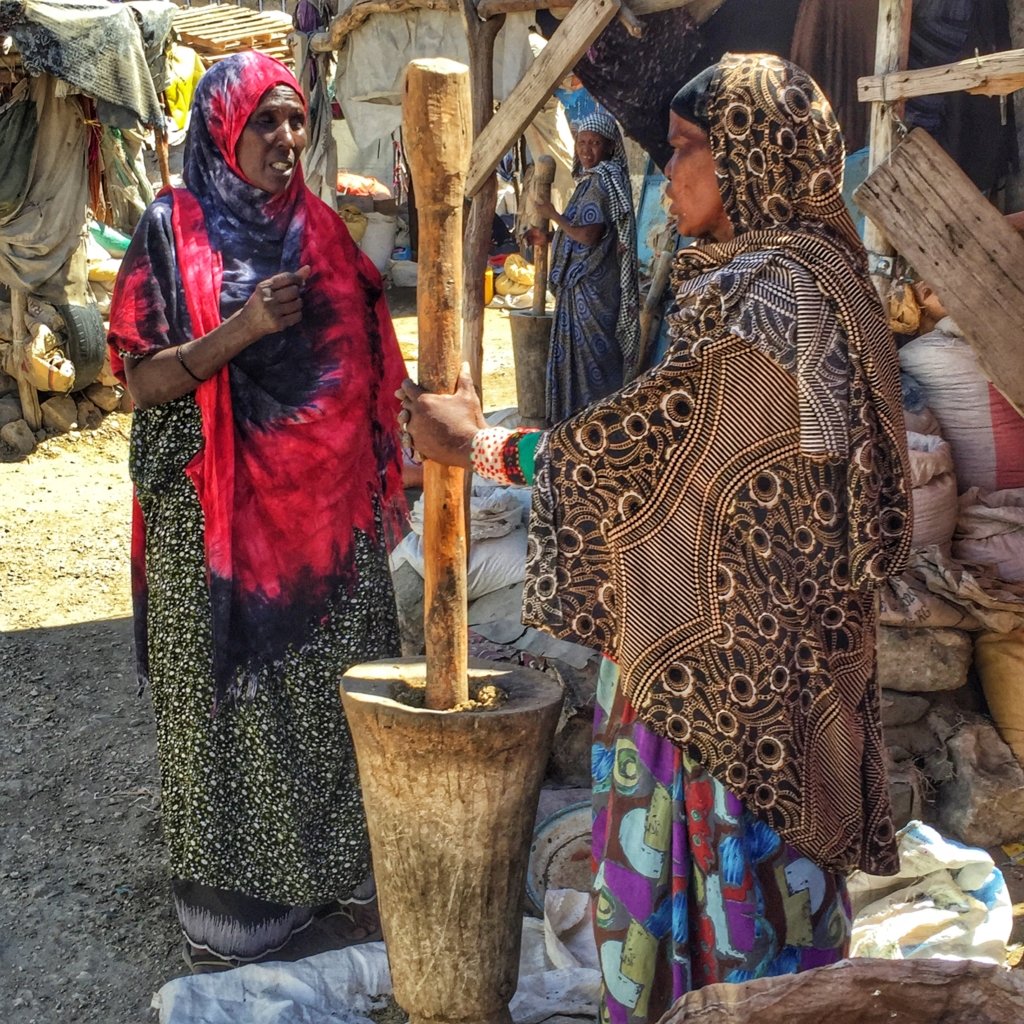
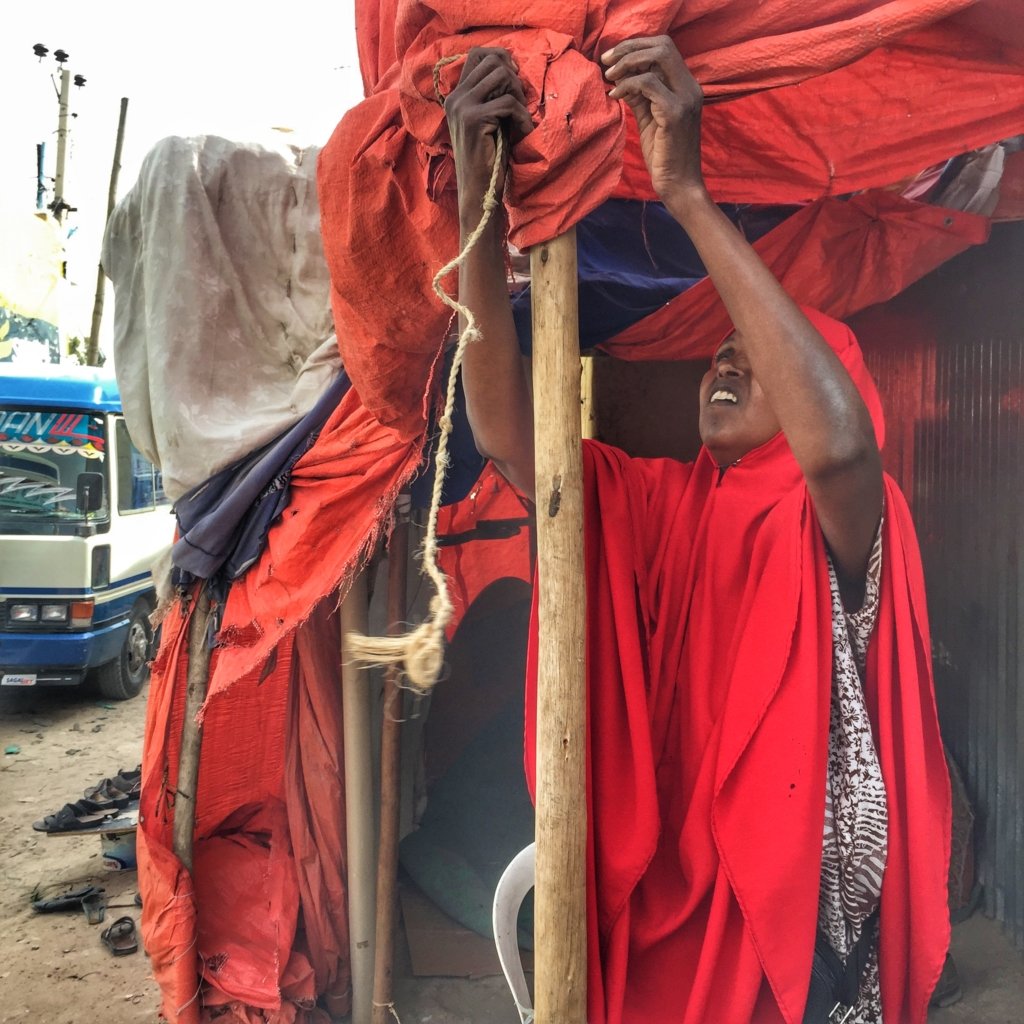
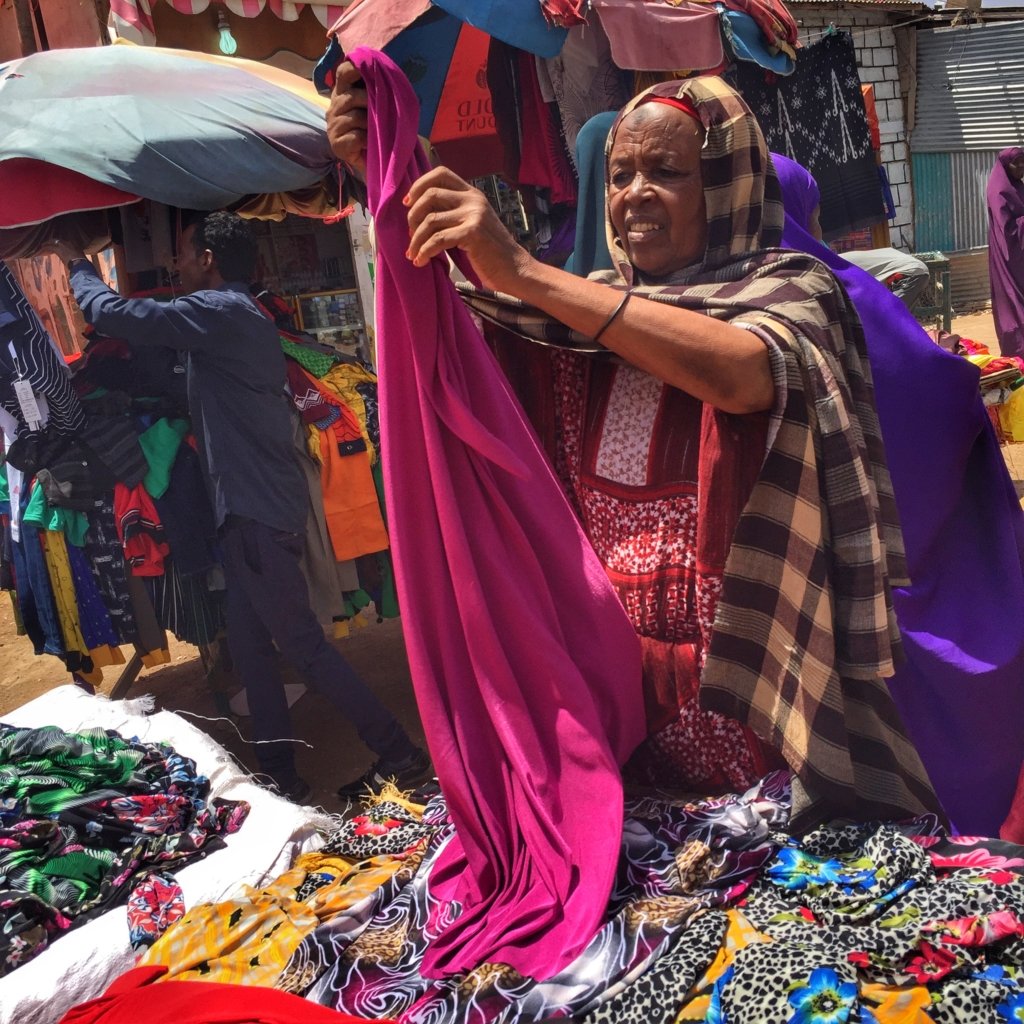
Heroines of Everyday; a photography project celebrating the everyday women making differences in their community. Somali women are everyday heroines and they work hard just make sure their children go to school, are well fed and sleep comfortably. Photo: Adnan Abdo Mohamed

The journey started in 2013, my final year at high school. I was passionate to present and rebrand Africa in a more unique and stylish way which could attract the world. At that time when I had this idea in mind, all I had was a simple smartphone. I use to think that in order to be a photographer, one must have equipment like DSLR Camera.

I decided to start with my phone having in mind the advice of, “do not be afraid to start small”. I began to document the streets of my region, Burao, where I was living at the time. It seems more interesting to me and I had taken a lot of photos from different angles and moments.

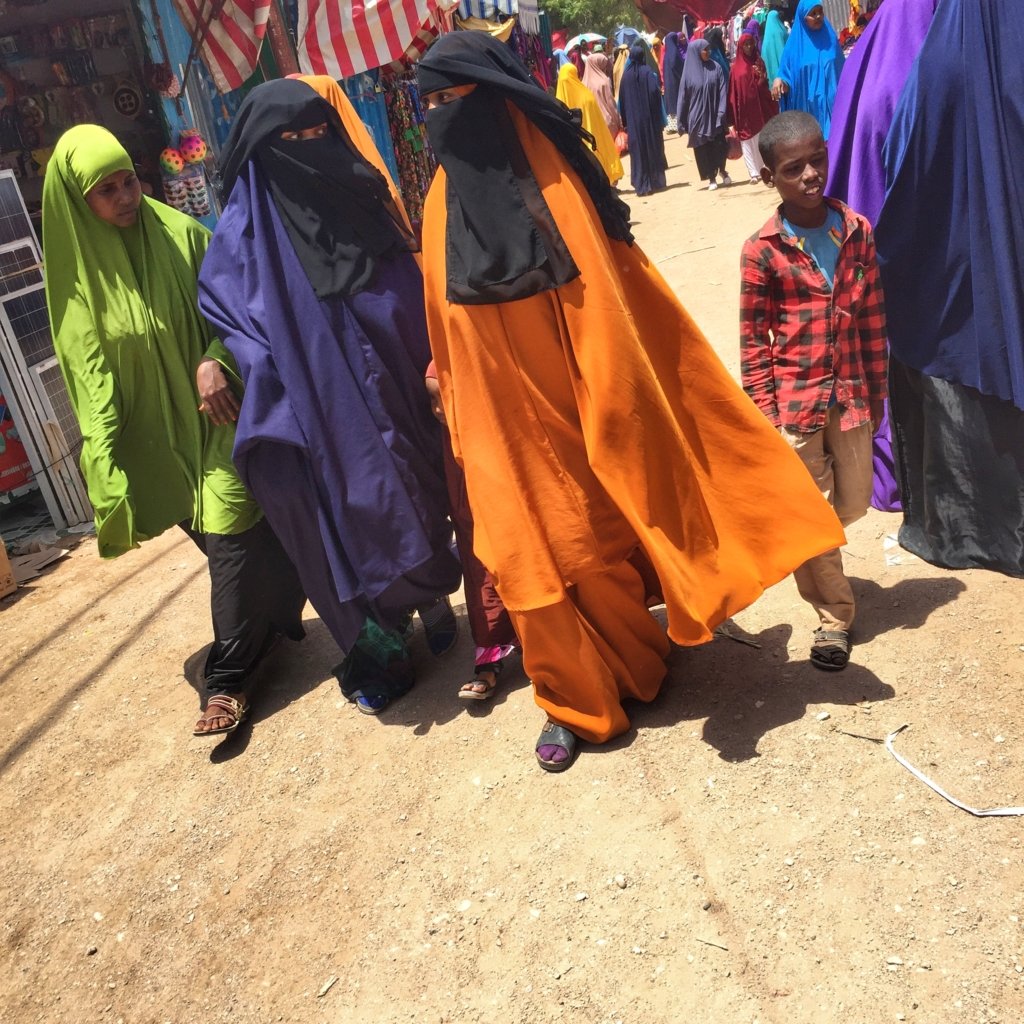
This project explores the celebration of Eid al Fitr. Eid al Fitr “Festival of breaking of the Fast” is an important religious holiday celebrated by Muslims worldwide that marks the end of Ramadan, the Islamic holy month of fasting. Family and other social gatherings, traditional sweet dishes, feasting, using perfume, wearing new clothes, shopping and gift-giving. The holiday celebrates the conclusion of 29 or 30 days of dawn-to-sunset fasting during the entire month of Ramadan. Photo: Adnan Abdo Mohamed

There is another challenge! Yes, no platform to share my photos with the world. Luckily, I joined Instagram (@throughadnanslens) and it became the only platform I could share my photos with the rest of the world. Since then, I was receiving random messages from people across Africa and the rest of the world, congratulating me and encouraging me to do what I am doing.

My photos became popular after several everyday African Instagram accounts published my photos. Then many people contacted me to just congratulate me. Some don’t believe I use a phone! They think I am just branding iPhone while I’m actually rebranding my community, country and continent.

Heroines of Everyday; a photography project celebrating the everyday women making differences in their community. Somali women are everyday heroines and they work hard just make sure their children go to school, are well fed and sleep comfortably. Photo: Adnan Abdo Mohamed

I have published a photo project about the everyday women working at the streets of Somaliland changing the narrative of “Somali women don’t work”. They are really more than men and they are our backbone in every house. The story has travelled the world when CNN made a documentary about my work called “Heroines of Everyday”. There were many people doing their research who asked me if they can use my photos for their research purposes.

Heroines of Everyday; a photography project celebrating the everyday women making differences in their community. Somali women are everyday heroines and they work hard just make sure their children go to school, are well fed and sleep comfortably. Photo: Adnan Abdo Mohamed

My work is best described as visual storytelling, between narration and documentation. I now work as a contributing photographer with many popular storytelling accounts on Instagram including @EverydayHornOfAfrica @Streets_Storytelling @ForAfricans and @AfrikanGallery.

I have published two photo essays: 1. The Eid Al Fitr celebration project, which features the stories of how people in Hargeisa and Burao cities celebrate one of the biggest Muslim festivals. 2. Heroines of Everyday project, featuring the role of women towards our community especially our female Somali mothers who work and hustle in the streets in order to make sure their families are well fed.

This project explores the celebration of Eid al Fitr. Eid al Fitr “Festival of breaking of the Fast” is an important religious holiday celebrated by Muslims worldwide that marks the end of Ramadan, the Islamic holy month of fasting. Family and other social gatherings, traditional sweet dishes, feasting, using perfume, wearing new clothes, shopping and gift-giving. The holiday celebrates the conclusion of 29 or 30 days of dawn-to-sunset fasting during the entire month of Ramadan. Photo: Adnan Abdo Mohamed

I believe and hope to change and rewrite the African narrative through storytelling because viewing my country and continent through my lens implicitly rejects stories built on the outsider’s gaze, instead of creating insider tales.

This project explores the celebration of Eid al Fitr. Eid al Fitr “Festival of breaking of the Fast” is an important religious holiday celebrated by Muslims worldwide that marks the end of Ramadan, the Islamic holy month of fasting. Family and other social gatherings, traditional sweet dishes, feasting, using perfume, wearing new clothes, shopping and gift-giving. The holiday celebrates the conclusion of 29 or 30 days of dawn-to-sunset fasting during the entire month of Ramadan. Photo: Adnan Abdo Mohamed
Heroines of Everyday; a photography project celebrating the everyday women making differences in their community. Somali women are everyday heroines and they work hard just make sure their children go to school, are well fed and sleep comfortably. Photo: Adnan Abdo Mohamed
Heroines of Everyday; a photography project celebrating the everyday women making differences in their community. Somali women are everyday heroines and they work hard just make sure their children go to school, are well fed and sleep comfortably.
Photo: Adnan Abdo Mohamed
Heroines of Everyday; a photography project celebrating the everyday women making differences in their community. Somali women are everyday heroines and they work hard just make sure their children go to school, are well fed and sleep comfortably. Photo: Adnan Abdo Mohamed
This project explores the celebration of Eid al Fitr. Eid al Fitr “Festival of breaking of the Fast” is an important religious holiday celebrated by Muslims worldwide that marks the end of Ramadan, the Islamic holy month of fasting. Family and other social gatherings, traditional sweet dishes, feasting, using perfume, wearing new clothes, shopping and gift-giving. The holiday celebrates the conclusion of 29 or 30 days of dawn-to-sunset fasting during the entire month of Ramadan. Photo: Adnan Abdo Mohamed


This article by Ismail Akwei was first published at face2faceafrica.com
Meet the six famous polygamist leaders Africa has ever had

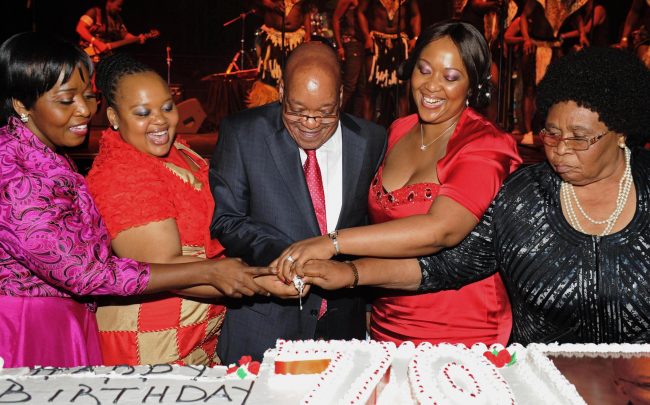
Jacob Zuma and his four wives cutting a cake during his 70th birthday party

Until colonization and the introduction of Christianity by white missionaries in Africa, polygamy, the custom of marrying more than one spouse, was prevalent and culturally accepted by a majority of the tribes in the continent.

There are two kinds of polygamy: polygyny and polyandry. The latter is the least popular custom which is when one woman marries more than one man. This was practiced in the Lake Region of Central Africa and among some Maasai people in Kenya.

However, polygyny – which is when a man marries more than one wife – is the widely accepted practice in Africa, yet abhorred by the New Testament of the Bible which was preached by the colonialists.

Christianity is the only major religion in Africa today, besides Islam and traditional African religions, that has rejected polygamy. According to the World Book Encyclopedia, Christians represent about 45% of the continent’s population.

This explains why 21st century Africa sees everything wrong with the age-old custom that has contributed to the creation of large families, and traditionally curbed the problem of single motherhood.

Here are some popular polygamist African leaders and heads of state.

Jomo Kenyatta with his wife Mama Ngina and two of his children

Jomo Kenyatta (Kenya)

Jomo Kenyatta, Kenya’s first president and father of current president Uhuru Kenyatta, was a polygamist who was married to four wives in his lifetime.

He married his first wife, Grace Wahu in 1919 before he travelled to England. In 1942, he married English woman Edna Grace Clarke and they divorced four years later. In 1950, a Senior Chief gave Kenyatta one of his daughters to take as his third wife. Grace Wanjiku died the same year while giving birth to his child.

In 1951, Kenyatta married his fourth wife, Mama Ngina, who was one of the few female students at the teacher training college where he was teaching at the time. They were married until his death in 1978. He had 8 children in total.

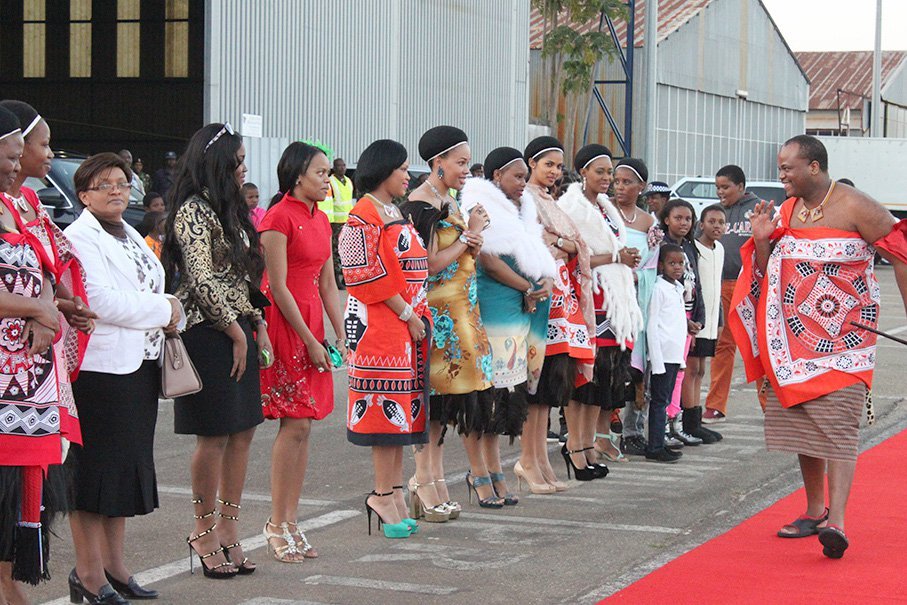
King Mswati III with his wives and children at a Summit in India

King Mswati III (Eswatini/ Swaziland)

King Mswati III is Africa’s last absolute monarch who rules Eswatini, formerly known as Swaziland, as its King.

The 50-year-old is a polygamist and has married 14 wives. He has divorced three of them and has 24 children.

Senteni Masango, his eighth wife, is reported to have committed suicide in April after overdosing on amitriptyline, a drug used in treating chronic pain and depression and related disorders.

King Mswati III married his latest wife, 19-year-old Siphele Mashwama, a few weeks after last year’s annual Umhlanga or Reed Dance ceremony participated by about 40,000 maidens.

He is traditionally mandated to pick a new wife every year from the virgins who partake in the traditional chastity rite held at the Ludzidzini Royal palace near Swaziland’s capital Mbabane.

Mswati became the Crown Prince in 1983 and then in 1986, he was crowned King at the age of 18. He succeeded his father King Sobhuza II who married 70 wives and had 210 children.

Adama Barrow and his wives during his inauguration as president

Adama Barrow (Gambia)

Gambia’s third and current president, Adama Barrow, who was historically elected into office in 2017 is a polygamist.

The 53-year-old Muslim has two wives: Fatou Bah, Sarjo Mballow. His marital status was of interest during his election in 2017 when it was unclear as to which of his wives would be the First Lady.

He clarified the matter after the election by saying the first wife, Fatou Bah, will be the First Lady. Barrow normally attends formal events with one wife interchangeably.

Jacob Zuma and his four wives

Jacob Zuma (South Africa)

Former South African president Jacob Zuma is a popular polygamist whose planned 7th marriage was revealed last month by the wife-to-be, 24-year-old Nonkanyiso Conco, from KwaZulu-Natal.

Conco will be Zuma’s 4th wife after the marriage as he is currently married to three women: first wife Gertrude Khumalo whom he married in 1973 after he was released from prison; Thobeka Madiba and Gloria Ngema who he married in 2010 and 2012 respectively.

The troubled ex-president was married to the former African Union Commission chairperson Nkosazana Dlamini-Zuma, a marriage that ended in divorce. He lost his second wife, Kate Mansho, to suicide in 2000.

Zuma separated from his youngest wife Nompumelelo Ntuli whom he married in 2008. She was removed from his house in Nkandla in 2016 after she was accused of infidelity and planning to poison him.

Jammeh and his second wife Zineb

Yahya Jammeh (Gambia)

Former Gambian president Yahya Jammeh, who was ousted by a West African joint force in 2017 after refusing to accept election defeat, is a polygamist.

The dictator divorced his first wife Tuti Faal in 1998 after four years of marriage and then married Zineb Jammeh in the same year.

In 2010, he married Alima Sallah who was believed to be 18 at the time. He divorced her after a year of marriage following a strained relationship with his first wife.

It cannot be independently verified if he married a 22-year-old Ghanaian called Nora in 2012, as widely reported by Ghanaian media.

After over 20 years in power, Jammeh was exiled to Equatorial Guinea with his family after he was guaranteed immunity.

Azikiwe and his first wife Flora

Nnamdi Azikiwe (Nigeria)

Nigeria’s first president Nnamdi Azikiwe, who served between 1963 and 1966, was a polygamist. He married three wives.

His first wife Flora Azikiwe died in 1983 and he died in 1996 leaving behind two wives, Uche Azikiwe and Ugoye Comfort Azikiwe. He had seven children.

This article by Ismail Akwei was first published on face2faceafrica.com
Bob Marley died in 1981 but earns $23m a year after a 3-decade legal battle over his estate

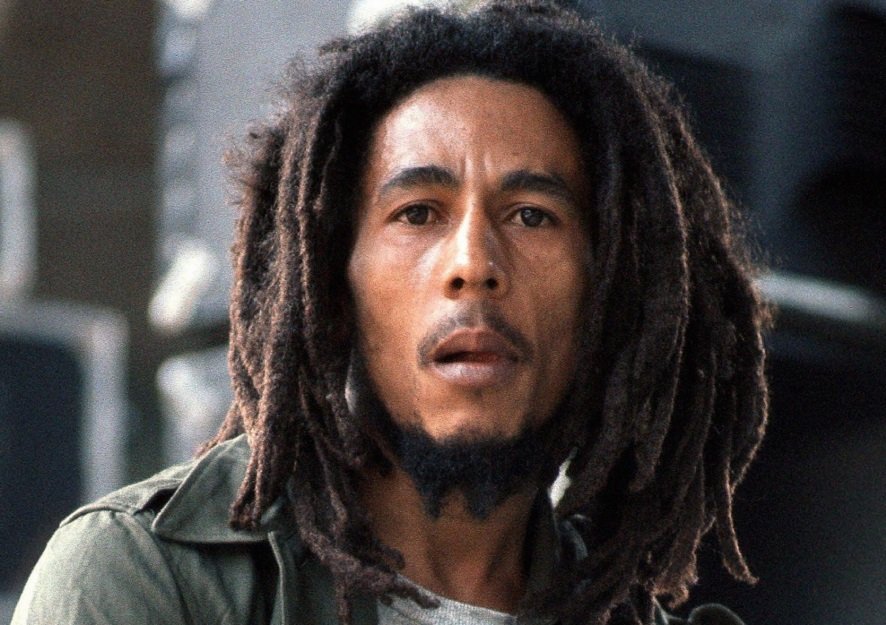
eggae icon Robert Nesta Bob Marley did not die a poor man and his family escaped destitution, thanks to the wealth he left behind from his years of musical dexterity which shot him to global acclaim as one of the best musicians of all time.

Born on this day, February 6, 1945, Bob Marley lived a humble life as he promoted freedom for poor and oppressed people, social equality, and justice. However, his death on May 11, 1981, from cancer was followed by decades of lawsuits over his estate which was reported to be worth about $30 million when he died.

Last days of Bob Marley as he takes a photograph with his mother Cedella Booker

Bob Marley did not leave behind a will as per his Rastafari beliefs that characterize lawyers and legal documents as evil and tools of Babylon. His family could only depend on the Jamaican intestate law to decide on the distribution of his wealth.

His wife, Rita Marley, would have received 10% of his assets and would be entitled to another 45% throughout her life while his at least eleven children by seven different women would share the balance. This didn’t seem fair to some and it didn’t go down well.

Marley’s business attorney, David Steinberg, and an accountant, Marvin Zolt, convinced Rita to forge his name to a series of documents, and predate them to before he died. The plan was to transfer control of the large majority of Marley’s corporate holdings, along with much of his royalty rights and money, to her.

The scheme was uncovered by one of Marley’s former managers and it began a long series of legal battles which ended after the two accomplices were found guilty to fraud and other illegalities to the tune of $6 million.

Rita Marley also confessed and stated that she acted upon the advice of the attorney. She lost her administrative control of Bob Marley’s estate which she had since his death until 1986.

At the same time, other legal claims popped up from several children of Marley and their mothers; one from the Wailers, Marley’s eight bandmates at the time of his death; and another from Cayman Music, which claims to own some of Marley’s recordings.

Marley’s mother also moved to his $300,000 South Dade house in Miami in 1977 and Chris Blackwell, president of Island Records, Marley’s record label, wanted to include the property in an $8.2-million sale of Marley’s estate.

Blackwell would get royalty rights from Marley’s recordings, copyrights for his songs after 1976 and real estate including South Dade house if the deal sailed through. He expressed willingness to negotiate the sale of the house but Bob Marley’s mother contested the deal. The legal battle ended after a decade with both parties benefitting.

Marley brothers

In another legal battle that ended in the early 90s, the Jamaican Supreme Court ruled that Rita Marley and Marley’s children had the exclusive right to use Marley’s name, likeness and image for commercial purposes.

This ruling prompted another lawsuit in 2011 when Rita Marley and nine of Bob’s children sued his half-brother, Richard Booker and two of his corporations. Booker was using Marley’s name and image to market the annual 9 Mile Music Festival in Miami and he owned a company which gives tours of the village where Marley was born and is now buried.

He was also trademarking the term “Mama Marley” for his line of fish products. Booker claimed that Bob Marley had given him permission to use the family name. After a year in court, the family reached a settlement agreement.

As of 2018, Bob Marley is the fifth top-earning dead celebrity, according to Forbes. His estate, now named House of Marley, is managed by four of his children, Rohan Marley, the brand officer of the estate; Cedella; Stephen and Ziggy, while the rest sit on a board and share the proceeds evenly.

Marley siblings

The proceeds are derived from the sale of products in more than 48 countries, according to Forbes, which included headphones, Marley Natural cannabis, smoking accessories, Get Together portable speakers (which logged $6 million in sales in 2016) and Smile Jamaica earphones ($8.1 million).

There are also Uplift earphones; Marley Coffee (managed by Rohan) and Marley Natural (managed by Cedella) which sells herb-related products such as smoked-glass water pipe.

The Marley family have hired a team to help run House Marley and to deal with the unauthorized use of Bob’s name and likeness. Forbes estimates that unauthorized sales of Marley music and merchandise generate more than half a billion dollars a year, though the estate disputes this.

This article by Ismail Akwei was first published on face2faceafrica.com
Somaliland’s oldest statesman who became chief way before Elizabeth II was enthroned has died at 122

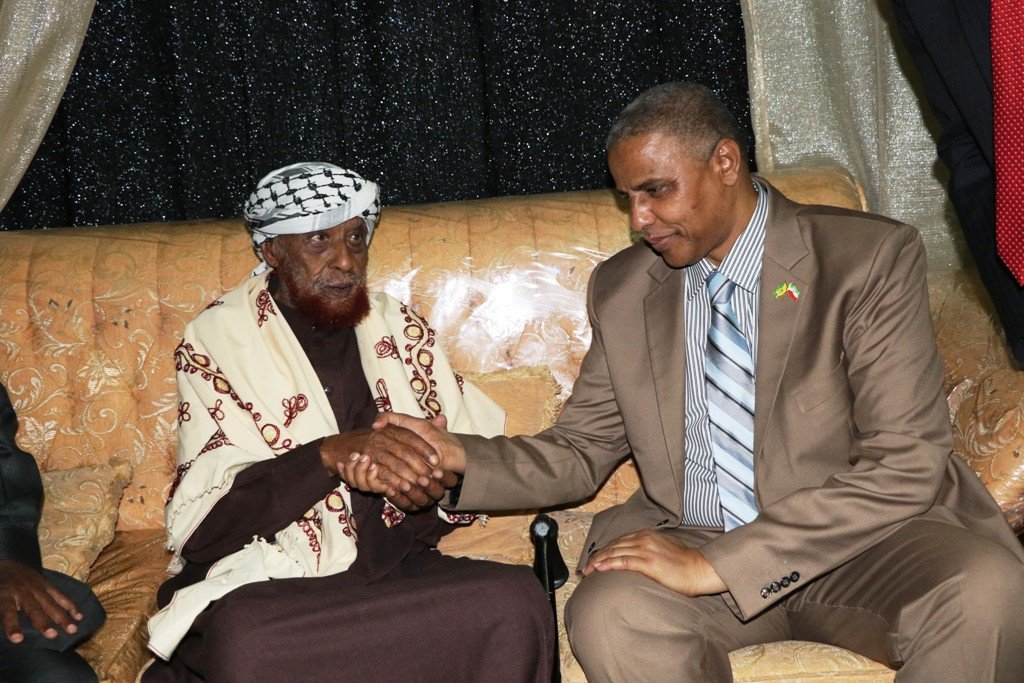
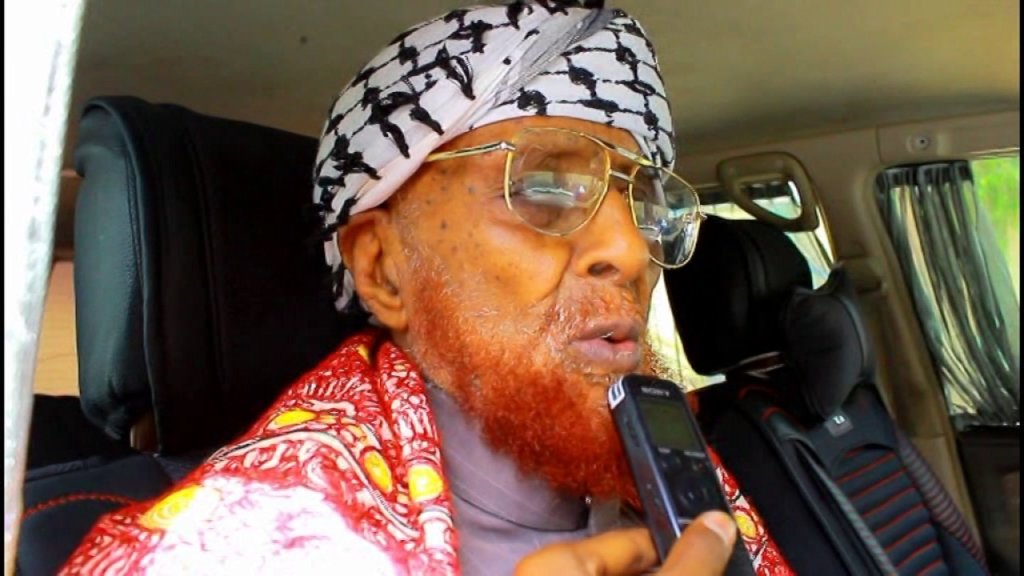
Somaliland oldest statesman and chief of chiefs, Haji Abdikarim Hussein Yusuf, also known as Haji Warabe

The self-declared state of Somaliland mourns its oldest statesman and chief of chiefs, Haji Abdikarim Hussein Yusuf, also known as Haji Warabe, who died on Friday at the Hargeisa International Hospital at the age of 122.

Haji Warabe was a member of Somaliland’s Upper of House of Parliament (Guurti) and was regarded as a symbol of peace and reconciliation in Somaliland since the colonial era through to its independence in 1960 and autonomy from neighbouring Somalia in 1991.

He was buried hours after his death on Friday in Hargeisa according to Islamic rites with hundreds of Somaliland nationals paying their last respect to the man who has lived long enough to mediate disputes for British colonists and then Somaliland politicians.

Haji Warabe gained global fame when his interview with BBC Somalia analyst Mary Harper aired on BBC World Service’s Newshour programme in 2012 as part of series marking Queen Elizabeth’s Diamond Jubilee.

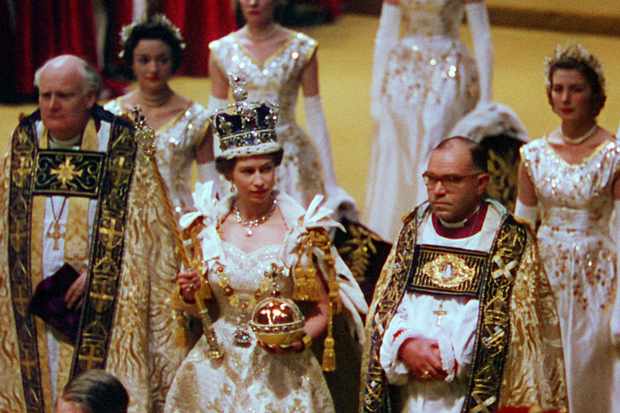
Programme Name: The Coronation – TX: n/a – Episode: n/a (No. n/a) – Picture Shows: Her Majesty the Queen with her maids of honour and Archbishop of Canterbury during the coronation. **Must credit ITV Archive. For single use only and only in connection with editorial about ‘The Coronation’ on BBC One, Smithsonian and ABC and distributed by FreMantle Images must not be archived, edited, or sold-on.** Her Majesty The Queen – (C) ITV Archive – Photographer: ITV Archive

The unlettered 115-year-old at the time revealed that he was in his 12th year as a tribal leader when Queen Elizabeth II was crowned in 1953. “I remember the Queen’s coronation extremely well. In fact, I remember the coronation of her father King George VI [in 1937]. My uncle attended the ceremony in London,” he told the BBC.

The chief who has been to London twice but has never met the Queen gave a history of how he became a chief and his relationship with the British. “I worked closely with the British colonial officials, and was selected by them as the chief of chiefs. I worked very well with them for 20 years until independence in 1960.

“I liked the British a lot, mainly because they brought peace to our land. When they first arrived, the clans were at each other’s throats. We were killing and fighting each other, and the British put a stop to it,” he narrated.

For Haji Warabe, things didn’t change much after independence as he continued giving advice to both the British and Somali politicians as a chief. He played this role until his death in 2019.

He took the world through his journey of life when Hargeisa was a “wilderness” and how he was a nomad his whole life and has been chief since 1940. “I am now the chief of chiefs, the elder of elders. The most senior traditional leader in the whole of Somaliland. My nickname is Warabe which means hyena,” he told the BBC.

Haji Warabe has always said that he will continue being the chief of chiefs until his death and that is exactly what he did. “I will never retire as elder of the elders. I want to continue for as long as I can – for as long as my brain functions properly. People continue to respect me and I respect them.”

Somaliland is the only self-declared independent state that has survived years of diplomatic isolation by international bodies. The country is internationally recognised as an autonomous region of Somalia.

Somaliland, with a population of about 4 million, can boast of an army, its own currency and legal system and is appreciated for holding credible elections. They made history in 2017 as the first country to use the iris biometric voting system.

The Somali National Movement (SNM) declared Somaliland independent of Somalia on May 18, 1991, after they fought against the government of the Somali Democratic Republic’s military ruler Siad Barre who ruled from 1969 to 1991 following a coup.

Four militia groups including SNM led a rebellion that ousted the Barre regime. The SNM declared the northwestern Somali regions independent and established the Republic of Somaliland after disagreements with the other rebel groups.

The territory has been under pressure for decades to hold unity talks with Somalia.

This article by Ismail Akwei was first published on face2faceafrica.com