This Nigerian ‘lawyer’ practiced law for 15 years – arrested for being fake

Nigerian judges

The Nigerian police have arrested 49-year-old Chris Elisha who has worked as a lawyer for the past 15 years without any qualification.

A fake lawyer, Chris Elisha has been arrested in Lagos State, Nigeria after practicing Law for 15 years. pic.twitter.com/V4gVeU6wqj

— Africa Facts Zone (@AfricaFactsZone) February 9, 2018

The suspect was apprehended at a Lagos State court after he was challenged by another lawyer during a criminal case hearing on Tuesday, police spokesman Chike Oti told the BBC.

The police said he could not articulate his legal argument when his client was granted bail under some stringent conditions which he wanted to be changed. Meanwhile, he is reported to have won several cases in court.

The suspect has not commented after the arrest but local media reported that after interrogation by the police, he said he had studied law at a Ukrainian university and was yet to be called to the bar in Nigeria. He is expected to appear in court on Friday to answer to charges of impersonation.

This is not the first case of impersonation by fake lawyers in Nigeria. As documented by Nigerian Isima Odeh via his Africa Facts Zone account, another fake lawyer called Peter Adogun, who practised law for 10 years in Kwara State was arrested.

He is reported to have won cases at the Supreme Court with no legal training. “He started practising Law in 2007 after he obtained a lawyer’s qualifications. He was sentenced to 10 months imprisonment.”

Another impersonator, 66-year-old Kayode Jones, with “22 years experience in Law,” was arrested in Lagos State. He won one out of 14 cases in court.

This article by Ismail Akwei was first published on face2faceafrica.com
Africa’s largest host of refugees accused of inflating figures

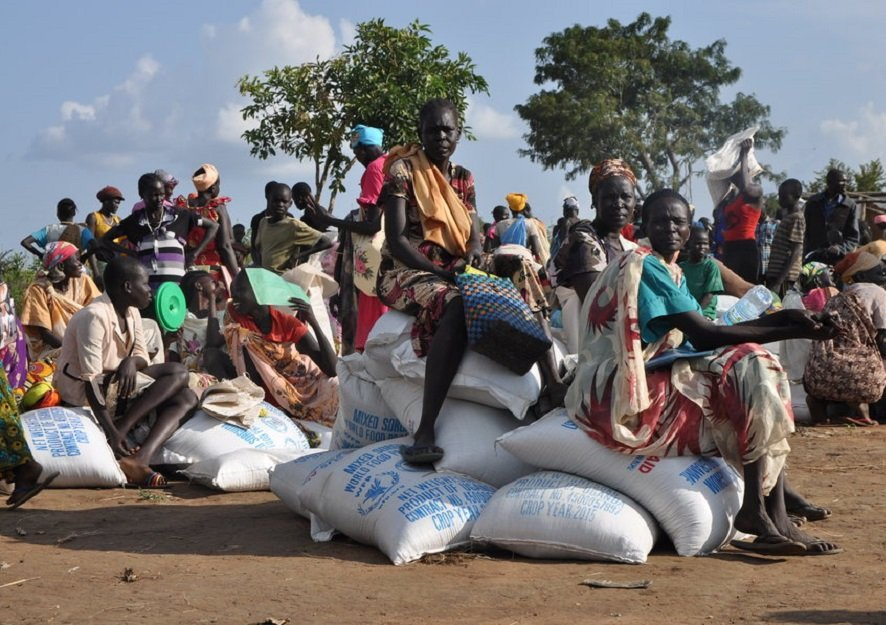
South Sudanese refugees in Uganda

Uganda has been accused of inflating the numbers of refugees in the country which is the largest host of displaced people in the continent.

Four government officials have been suspended pending an investigation into the allegation which includes the abuse of funds set aside for the refugees, reports local newspaper Daily Monitor.

The newspaper indicates that the suspicion was first raised by the UN country representative Rosa Malango who wrote a letter to the Prime Minister Ruhakana Rugunda whose office is in charge of refugee affairs.

Ms Malango is reported to have cast doubts on “the number of refugees in Uganda; abuse of funds and other resources by some officials and suspected trafficking in girls and women refugees” after a periodic review..

A spot-check of the number of refugees in a camp in Kampala found only 7,000 refugees showing up for provisions out of the 26,000 documented on paper which suggests an inflation in the figures.

The investigation is expected to establish if some UNHCR officials also connived with the officials in the Office of the Prime Minister, the paper added.

The BBC reports that donors including the United States, European Union and the United Kingdom have threatened to withhold funding to the country.

The state minister for relief and disaster preparedness Musa Ecweru assured that measures including biometric registration for all refugees would be done to prevent any fraud in future, he told The Guardian.

Uganda is host to some 1.4 million refugees mostly from South Sudan and DR Congo, UN reported last year.

This article by Ismail Akwei was first published on face2faceafrica.com
Ready to go back home? Nigerian diaspora in the U.S. says yes, but on one condition

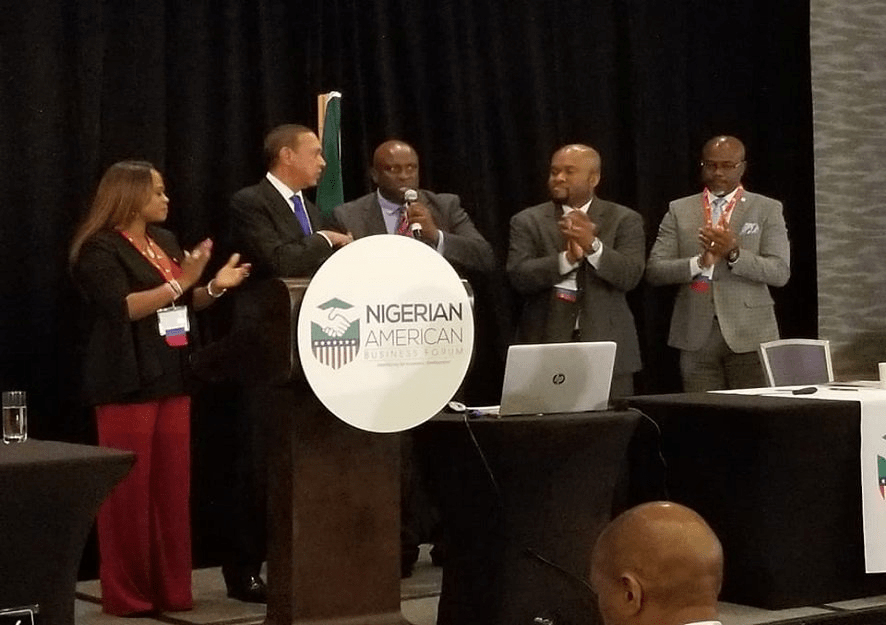
Participants of the Nigerian-American Business Forum take turns to offer their solutions to the country’s development problem

Nigerian professionals in the United States gathered over the weekend to inaugurate the Nigerian-American Business Forum in Florida, and they were full of eagerness to return home.

Some of them were full of praise for the country that offered them quality education which is they are using to develop the United States. They believe it is about time to go back home and help develop Nigeria, reports the News Agency of Nigeria (NAN).

The team of professionals from some America’s Fortune 500 Companies formed work groups to help find solutions to their home country’s problems including electricity, engineering, agricultural infrastructure and health.

However, the question that lingered was: why are they still talking when they can go home?

“We have our Diaspora eager to come home. Most of us here are comfortable and don’t need to come home but Nigeria is our home,” said the president of the forum, Kenneth Shobola.

For cardiologist Oluyemi Badero: “We have been called to different countries, we are ready to do it in Nigeria. For the past five years, there is no month that we are not in Nigeria; Nigeria is littered with under-equipped hospitals.

“We are not looking for jobs, don’t hire us. Just employ our experience to build the country’s health sector. We just want to make Nigeria better if we see committed leadership to limit the number of Nigerians who go outside the country for healthcare.”

Remi Duyile believes the only solution to the country’s developmental issues is to give professional Nigerians the task to build and repair infrastructure because they know the environment better.

“If we are all expecting the U.S., China to do it for us, we are deceiving ourselves. Nigeria’s development must be internal – by Nigerians,” he said. Emelia Orubele supported Duyile’s view saying: “We can’t solve all the problems of Nigeria but with our expertise, we can do a lot to get great results”.

Nigeria is one of Africa’s leading countries with the highest number of citizens outside the continent. Some have relocated to their home country to help in the development process.

Can they make any difference if the government gives them the jobs offered the American and Chinese companies? Let’s know your thoughts in the comment section below.

This article by Ismail Akwei was first published on face2faceafrica.com
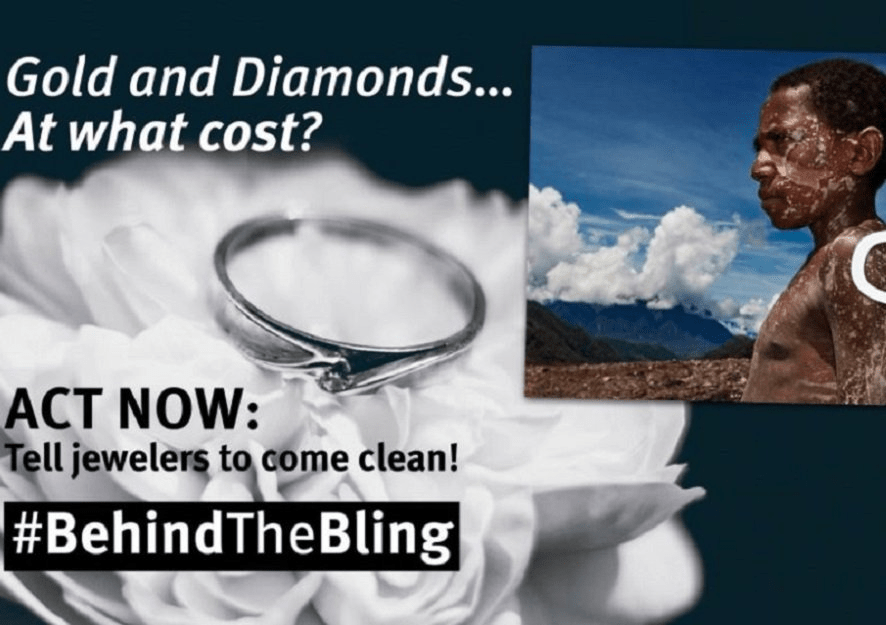
This is why you should question your jewelers before buying your Valentine’s bling

As Valentine’s Day approaches, many people wish to buy jewelry from big brands who get their diamonds and gold from some of the most controversial sources.

The Human Rights Watch has launched the #BehindTheBling campaign to put pressure on jewelers to guarantee the sources of their jewelry and to ensure they are not tainted by human rights abuses.

In a report released on Thursday, the global rights organisation assessed the sourcing of gold and diamonds by 13 major jewelry and watch brands that collectively generate over US$30 billion in annual revenue – about 10 percent of global jewelry sales.

They found a difference in the practices of the brands and ranked the 13 companies according to specific responsible sourcing criteria, including efforts to assess and respond to human rights risks, establish traceability, and publicly report about the company’s actions.

None of the companies was ranked as “excellent” and only Tiffany and Co. was ranked as “strong” for taking significant steps toward responsible sourcing. Four others including Bulgari, Cartier, Pandora, and Signet were ranked as “moderate” for taking some important steps toward responsible sourcing.

For Boodles, Chopard, Christ, and Harry Winston, they were ranked as “weak” for taking few steps toward responsible sourcing. Tanishq was ranked as “very weak” due to a lack of any evidence of steps towards responsible sourcing.

The three remaining companies including Kalyan, Rolex, and TBZ did not respond claiming they do not disclose any information regarding their sourcing policies and practices.

HRW also found that two major initiatives to check the sourcing of the jewels do not provide sufficient assurance that diamonds or gold have been mined without contributing to abuse. They are the Kimberley Process and Responsible Jewellery Council that provides certification.

“Many jewelers can do more to find out if their gold or diamonds are tainted by child labor or other human rights abuses. When someone buys a piece of jewelry for their loved one this Valentine’s Day, they should ask their jeweler what they have done to find out about its origin,” said Juliane Kippenberg, associate child rights director at Human Rights Watch.

He added that some jewelry companies are making an effort to source responsibly but they need to do more. “Jewelry companies owe it to their customers and to the communities affected by their businesses to source truly responsibly and allow public scrutiny of their actions.”

Over 15,000 people have signed a petition calling on the 13 global jewelry brands to ensure their jewelry is responsibly sourced and to address human rights abuses in their supply chains.

This article by Ismail Akwei was first published on face2faceafrica.com

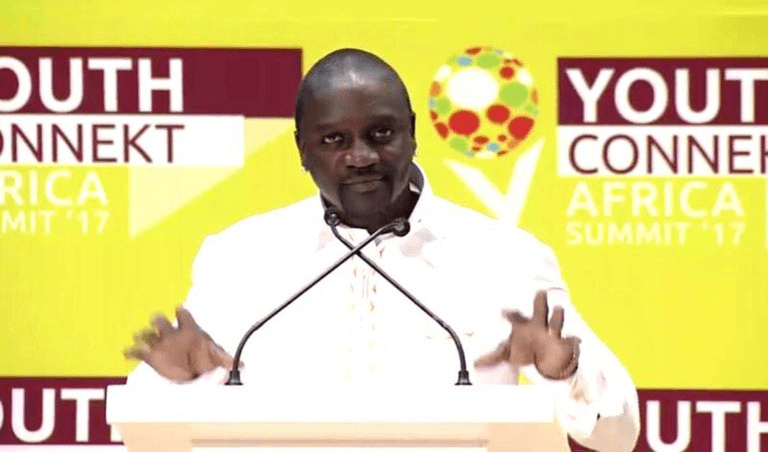
Meet Akon, singer bridging the development gap in Africa

In commemoration of Black History Month, we shine a light on musician and entrepreneur Aliaume Damala Badara Akon Thiam, widely known as Akon for bridging the development gap in Africa.

Born in the United States, 44-year-old Akon grew up in his home country Senegal until he was 7 years old when his family moved back to New Jersey. He spent some time in prison which influenced his music career.

His first single “Locked Up” was a worldwide hit after it was released from his debut album Trouble in 2004. He later founded two successful record labels Konvict Muzik and Kon Live Distribution.

His second album, Konvicted received three Grammy Awards nominations for “Smack That” and “I Wanna Love You”. He later had two more Grammy nomination to his credit.

The drums, guitar and djembe playing musician from an African family of musicians returned to the continent in 2014 with the Akon Lighting Africa project aimed at providing electricity by solar energy in Africa.

Together with Samba Bathily and Thione Niang, they provided electricity in 14 African countries including Guinea, Senegal, Mali, Niger, Benin and Sierra Leone. The project also employs over 5,000 young Africans who install and maintain the solar equipment.

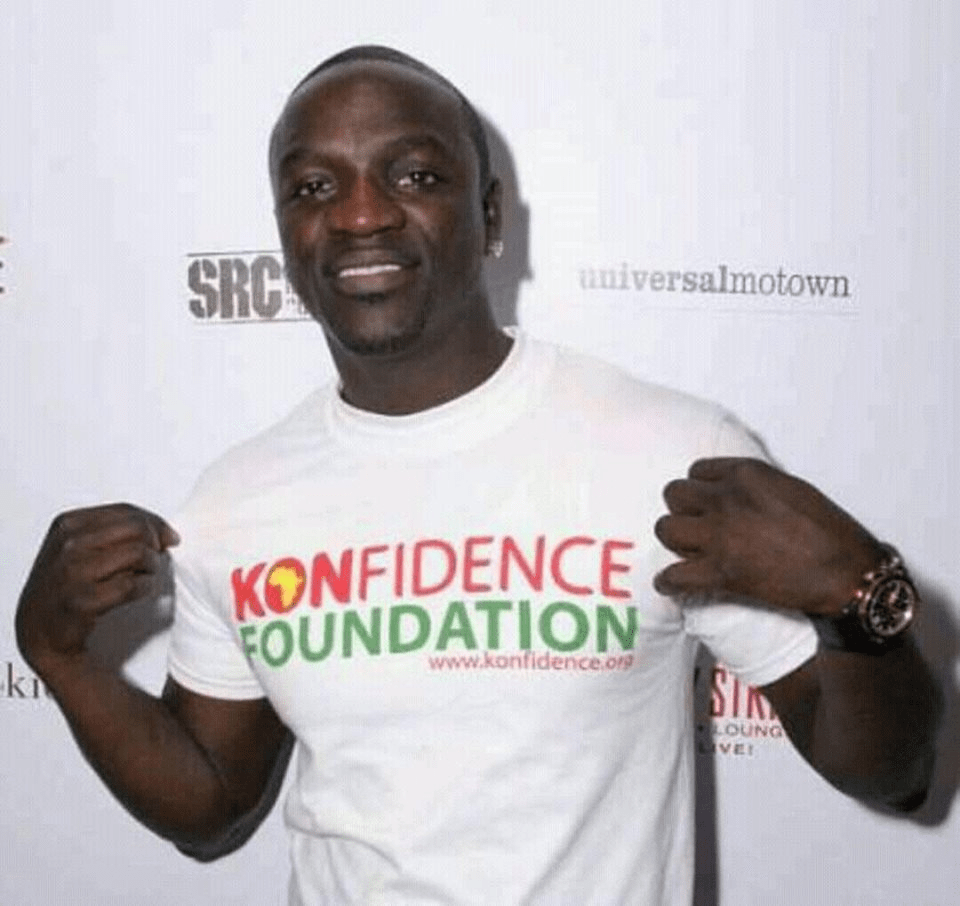
Akon owns a diamond mine in South Africa and a charity for underprivileged children called Konfidence Foundation.

The Muslim singer who has six children with multiple wives made history as the first solo artist to hold both the number one and two spots simultaneously on the Billboard Hot 100 charts twice. He was listed by the Guinness Book of World Records as the number 1 selling artist for master ringtones in the world.

Forbes ranked Akon 80th (Power Rank) in Forbes Celebrity 100 in 2010 and 5th in 40 Most Powerful Celebrities in Africa list, in 2011. Billboard ranked Akon No. 6 on the list of Top Digital Songs Artists of the decade.

We salute Akon’s effort to empower and help develop black people in Africa and around the world.

This article by Ismail Akwei was first published on face2faceafrica.com