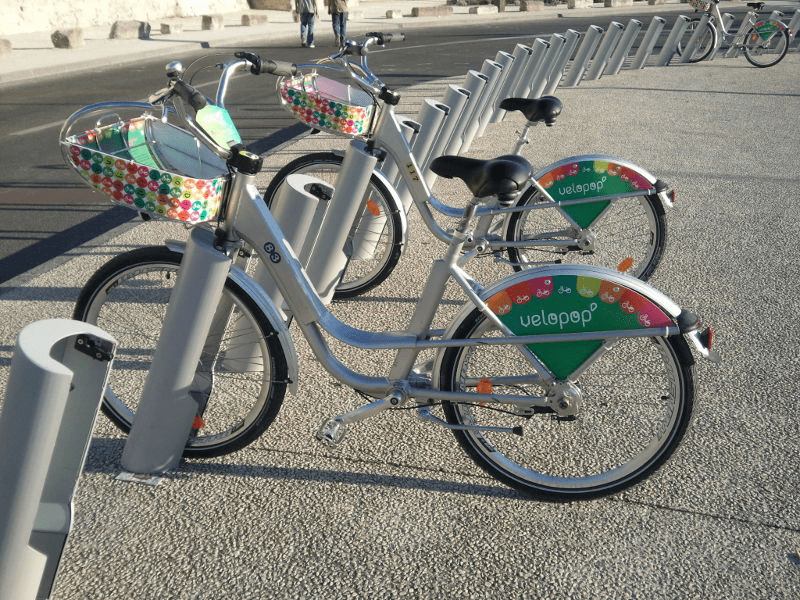
Nigeria’s economic capital Lagos has signed an agreement with French company Smoove to launch the country’s first bicycle-sharing project that will provide a 24-hour alternative to public transportation.
The project, expected to commence this year, involves the setting up of 200 standard bicycles in the city that will be converted into “an e-bike by installing a battery in the frame and incorporating a motor into the front wheel,” the company said in a statement.
“Docking stations lock the electric bicycles securely in place and recharge their batteries. Once fitted with a ‘Smoove box’, the bike becomes smart and connected,” it added.
Mode of Operation
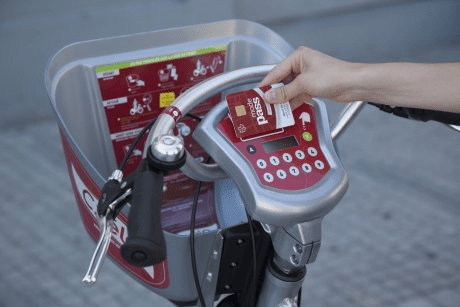
Docking stations are built at vantage points to lock the electric bicycles securely in place and recharge their batteries. The bicycles can be used only after user authentication is performed using a public transport network card reader, an NFC-equipped smartphone or a simple code operated by the city authorities.
A “padlock fork” secures the bike at the docking station, a neiman steering lock and a cable incorporated into the handlebars.
E-Bicycle
The bicycles are ultra-secure, tough and designed for optimal user comfort. They have puncture-proof tires, double-wall aluminium frame, and rims, as well as tamper-resistant wheel nuts. They are fitted with 26-inch wheels, a comfortable adjustable saddle, and a customizable front basket.
Global bicycle-sharing projects
The project was recently deployed in Marrakech, Morocco, and Smoove is present in 28 cities and 14 countries operating 9,000 bikes. They hope to connect 30,000 bicycles worldwide.
Smoove says Tunis and Abidjan have expressed interest in the ecological public transport system to help them rise into the world ranks of green cities.
This article by Ismail Akwei was first published on face2faceafrica.com
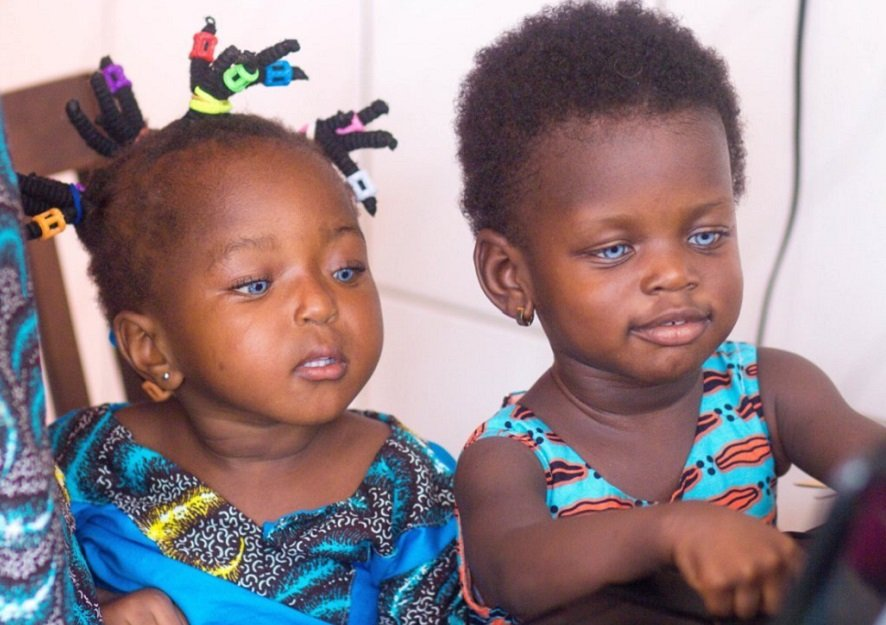
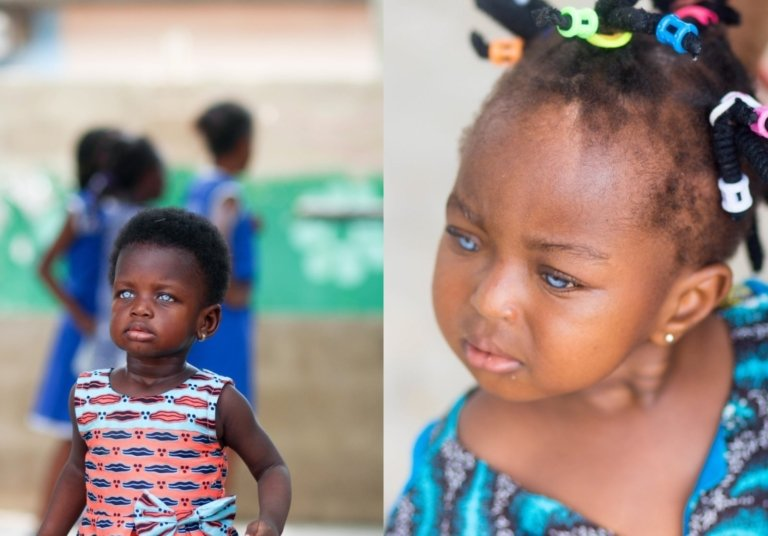
Ghanaian toddlers with blue eyes — Photo: Francis Osei-Owusu
Two toddlers born in Ghana with blue eyes – as a result of the rare genetic disorder called Waardenburg syndrome – have turned to modelling to help raise funds for surgery to treat their hearing loss associated with the defect.
A year and ten months old Rebecca Chogtaa Dumeh from northern Ghana was born with the genetic disorder. She was discovered a month ago by Ghanaian model and entrepreneur Philomena Esinam Afi Antonio who is raising funds to support the girl to undergo surgery.
In the process of raising funds for Chogtaa’s surgery via a gofundme page and other channels, another toddler named Miracle was discovered with the same condition as well as speech impairment.
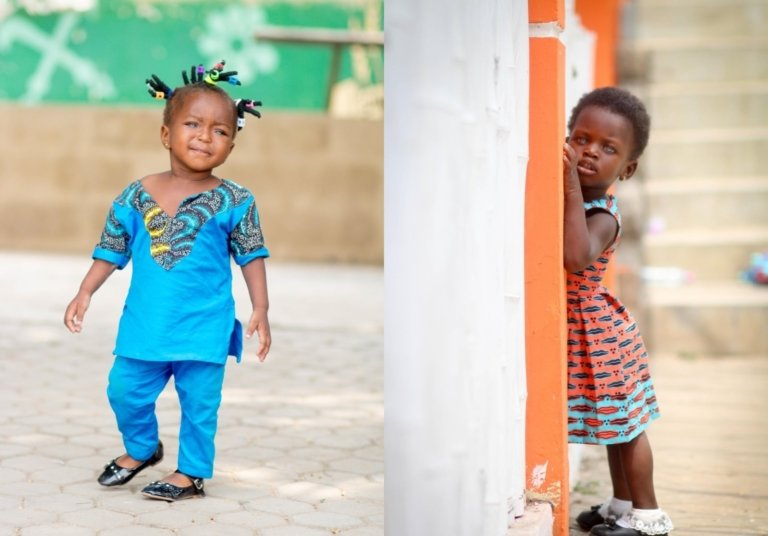
Afi Antonio who treated them to a photoshoot last week said she is grooming them to become photo models. She posted their first professional photographs on her social media pages calling on fashion brands and corporate bodies to use them as models for a fee that will go a long way to finance their surgical operation in India.
Photo: Francis Osei-Owusu
The gofundme page created by Afi Antonio raised only $560 out of the $50,000 goal by 21 people in one month. Antonio invited the public to donate and help the girls regain their hearing via the Cochlear implant surgery.
Photo: Francis Osei-Owusu
“Some people are suggesting their parents take them to a sign language school and forget the surgery. You can only understand if you are a mother,” says Afi Antonio who is passionate about helping the girls.
“Have you ever seen a mother who knows something can be done about her child’s condition and will do nothing about it? Of course she will do all she can in her power to find a way to solve the situation as long as something can be done,” she adds.
The model met Chogtaa’s mother at a local clinic where the bubbly girl was undergoing checkup for her hearing loss. The mother told Antonio that they drew a lot of negative attention from their family and community who believed Chogtaa was “cursed”, while her playmates branded her a doll.
“Her mum says, she remembers a herbal Dr. telling her once that if u have gonorrhoea while pregnant u give birth to such a child. She was actually telling the people seated at her clinic. She laughed and didn’t say anything,” Antonio narrated their story on social media last month while raising funds to support Chogtaa.
Waardenburg syndrome comes with varying degrees of deafness, minor body defects and pigmentation changes. Thousands of people live with the defect all over the world.
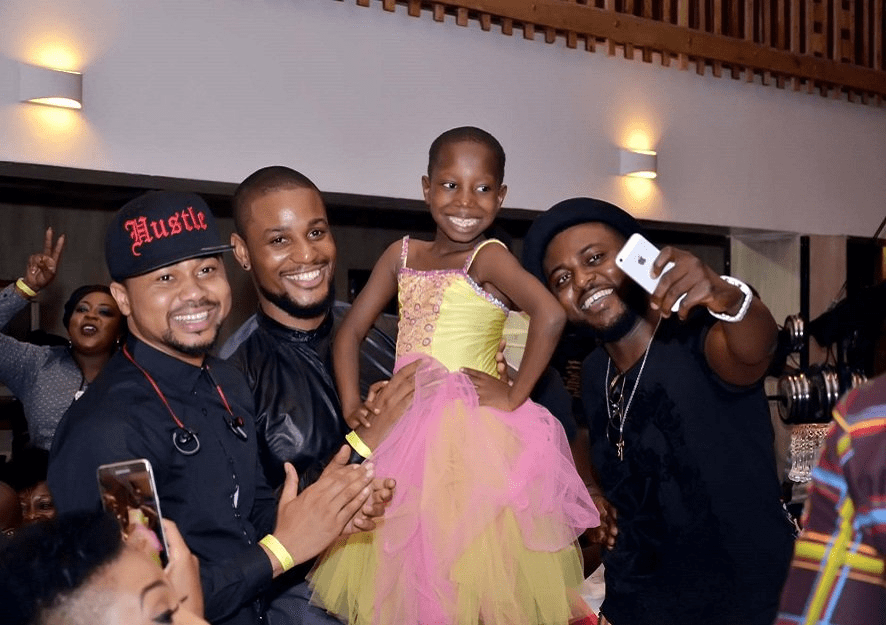
Nigerian comedienne Emmanuella Samuel, who rose to fame some three years ago after her Youtube skits went viral, has landed a role in a Disney Hollywood movie.
The 7-year-old girl who was discovered and managed by her uncle Mark Angel posted the good news on Instagram which gained thousands of likes from fans and lots of media attention from Nigeria and the West African region.
“Thanks @disneystudios God bless everyone whose support has added to bringing us here. I never dreamed of being here so soon. I miss Success. I love you all,” she posted with a picture of her being filmed.\
Emmanuella’s popularity has crossed Nigeria’s borders and the continent as she has performed at comedy events in West and East Africa while her Youtube skits and page have gained more than a million views and subscribers respectively.
According to local Nigerian news portal The Guardian, she is the first African to have one million subscribers on her YouTube comedy channel.
Emmanuella has won several awards including the 2016 Best New Comedienne and Princess of Comedy awards at the Afro-Australia Music and Movie Awards in Australia.
Her breakthrough into Hollywood was welcomed by the President of the Nigerian Senate, Bukola Saraki, who described her as an inspiration and invited her to the Senate to discuss the development of the potential of young talents in the creative industry.
Congratulations Emmanuella! Make sure you make them laugh over there.
Your story is an inspiration. Come by the @NGRSenate sometime, let’s discuss how we can develop the potential of our young talents in the creative industry.
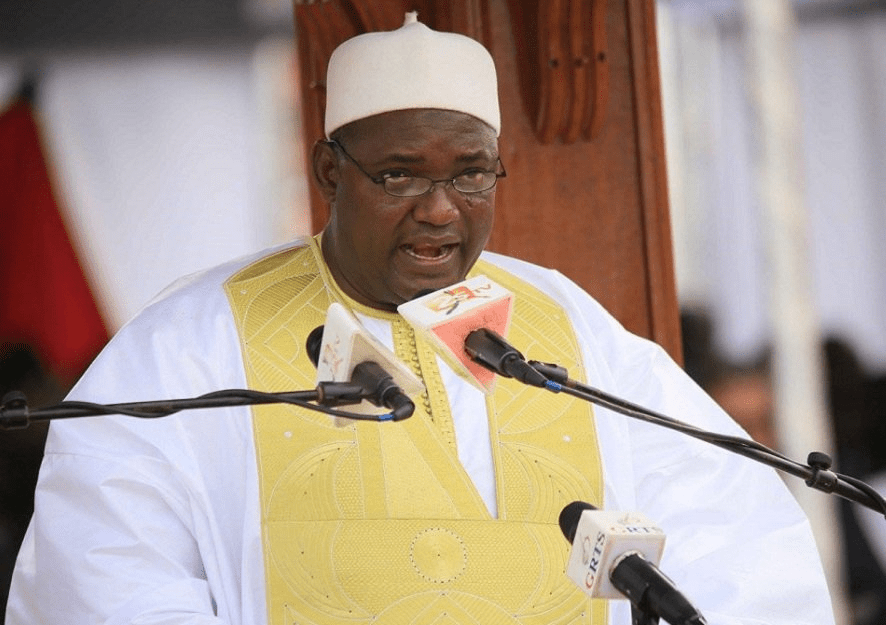
President of The Gambia Adama Barrow. Photo Credit: CMT
The Gambian President Adama Barrow has suspended the death penalty in the country ahead of plans to abolish capital punishment which is still legal a year after brutish Yahya Jammeh’s ouster.
Barrow announced the decision during the country’s 53rd independence anniversary celebration in the capital Banjul.
“I will use this opportunity to declare a moratorium on the use of the death penalty in The Gambia, as the first step towards abolition,” he was quoted by Reuters.
This forms part of the measures promised by the new government to reverse the many decisions taken by the former leader Jammeh including the recent re-entry into the Commonwealth as the 53rd nation-member after Jammeh’s withdrawal in 2013.
Only about 20 countries in Africa have abolished the death penalty with Egypt, Libya, Nigeria, Somalia and Sudan still practicing executions.
Some East African countries have not banned executions including Tanzania whose president John Magufuli stated last year that he cannot assent to an execution despite the death penalty being legal.
Uganda’s President Yoweri Museveni said last month that he plans to enforce the death penalty which has not been sanctioned in the country in the past 13 years. His reason was that people are taking his “leniency as a Christian” to get away with crimes.
All countries in southern Africa have banned the death penalty except Botswana which recently executed a 28-year-old suspected murderer accused of killing his girlfriend and her three-year-old son in 2010. This is the first execution in two years.
Capital punishment is on the decline across Africa and according to Amnesty International, African governments have executed 22 people in 2016, lower than the 43 executions in 2016.
This article by Ismail Akwei was first published on face2faceafrica.com
Spoiler Alert: This review contains spoilers for Black Panther
It was everything African but Africa in the latest Marvel film that awakens imaginations of what the black continent ought to have been with its infinite resources.
The $200 million make-believe will hit the conscience of every thinking African and will tickle their fancy with the introduction of African fashion, languages, traditions and an array of impossibilities typical of an African mythology.
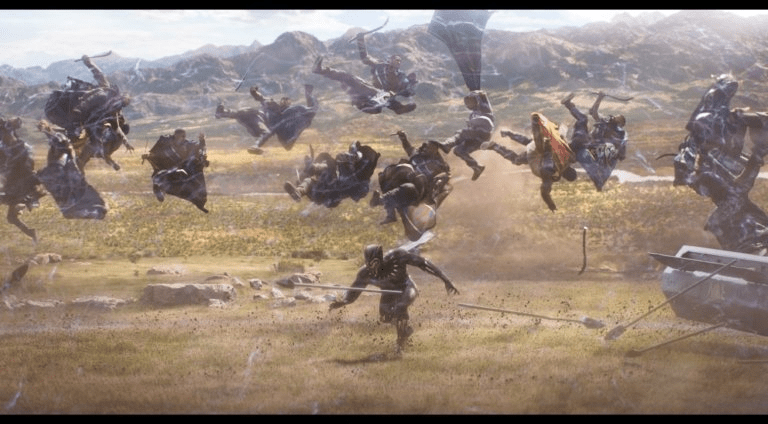
The nation of Wakanda
This is not just a science fiction movie, but one that awakens the spirits of black people across borders and continents, not only for its predominantly black cast, black producers, and director Ryan Coogler, but for its challenge of the status quo.
These were received with cheers and applause by the ankara and dashiki-wearing audience during the pre-screening in Ghana’s Silverbird Cinemas at the Accra Mall on February 15, 2018, ahead of the February 16 global premiere.
The curiosity to see the much-awaited Afrofuturistic movie was evident in the protest against the late start and piercing music from the hallway promoting another movie showing in the next cinema hall. The worries were nipped in the bud when the movie started with the typical African storytelling tradition.
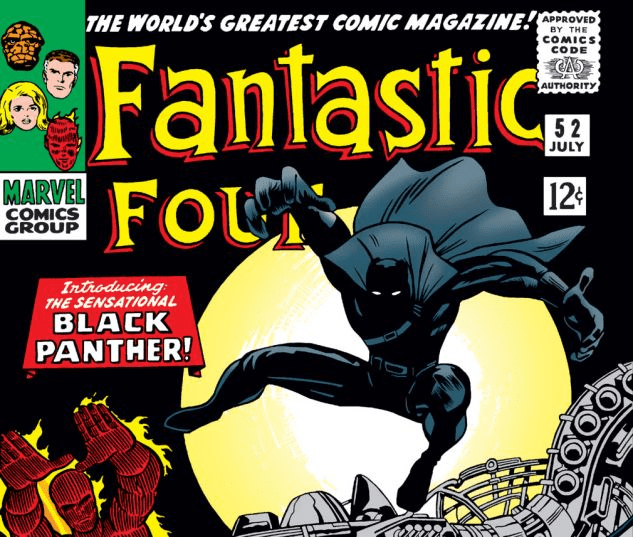
The thrills and intricacies in the movie overshadowed the dark projection of the film in the 300-seat cinema that could have offered a cinematic experience if it were in the fictional East African nation of Wakanda – home to Black Panther – which first appeared in the Marvel comic Fantastic Four #52 created by Stan Lee in 1966.
Africa is divided by countries with diverse cultures and traditions but Black Panther attempted to fuse them in Wakanda where there were tribes and a paramountcy which is succeeded by the bravest royal.
The black superhero character and the storyline were beyond expectation as Black Panther/ T’Challa (Chadwick Boseman) was protected by a woman – Okoye (Danai Gurira) – the General of the all-female Dora Milaje army that breaks stereotypes and represents several historical accounts of real all-female armies in Africa.
T’Challa, Okoye and Nakia
The introduction of Nakia (Lupita Nyong’o), Black Panther’s ex-girlfriend was unconventional but iconic as she helps free some Hausa-speaking girls kidnapped by a militant group led by Bambadjan Bamba in Nigeria’s notorious Sambisa forest that serves as the headquarters of Boko Haram. This is a reminder of the plight of the over a hundred Chibok girls who are still in captivity.
Child soldiers were also spared in the one-woman operation which was interfered by the unwanted help of Black Panther. These are near-effortless feats the world will wish for as the issues of the abduction of children and child abuse in conflict is rife especially by Boko Haram in Nigeria and rebel groups in South Sudan.
As a cliched third-world country that does not accept aid and is self-sufficient, Wakanda puts real African countries to the test as its fictional vibranium-based technological advancement questions the wrong decisions by African leaders who continued the colonial ferrying of raw materials to develop Europe and America in return for aid to feed the impoverished masses.
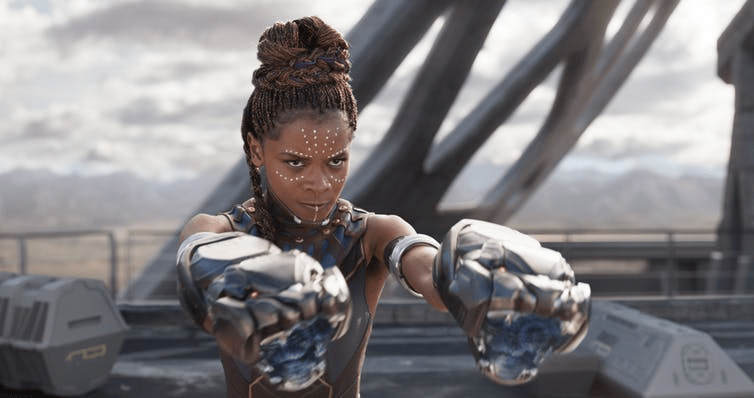
The secret skyscraper nation surrounded by a hilly forest featured Africa’s first speed trains, medical technology, electric tramcars, flying ships, 3D holograms, hyper-realistic digital technology, transformer suits, enhanced digital communication tools that were managed by a woman, T’Challa’s sister Shuri (Letitia Wright).
Shuri
Enough of the fiction which could be realized if the continent had recovered from the effects of colonization and had united politically and economically to develop in unison. “We let the fear of our discovery stop us from doing what’s right,” says Black Panther who inherited the rich Wakanda kingdom from his father who was killed in a bombing at the United Nations building while giving a speech in a suit.
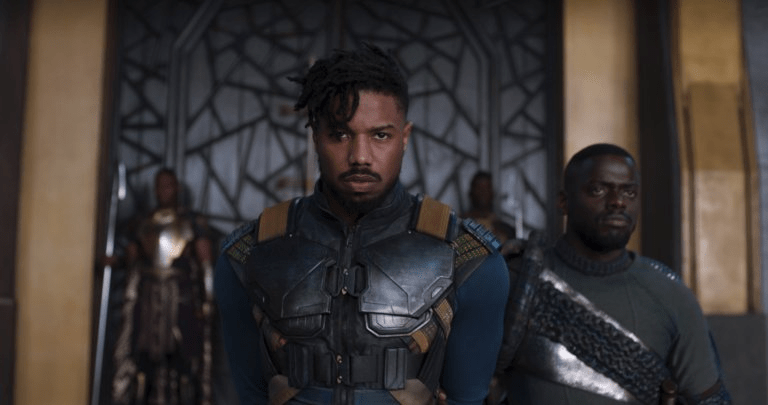
The African connection to the United States was also established after a royal Wakandan travelled to Oakland where he had a son, former black-ops soldier Erik “Killmonger” Stevens (Michael B. Jordan), who returned home to violently take the crown from T’Challa as vengeance for his father who was killed by his own brother, the former King.
Killmonger
Killmonger, the surprise villain changed the whole narrative after killing the white antagonist with a South African accent Ulysses Klaue (Andy Serkis). This characterizes the Akan proverb that translates: If an insect will bite you, then it’s from your cloth. [No more spoilers].
Klaue
The African customary representation in the film includes the patrilineal succession system which was adulterated with the fight-to-the-death challenge for the throne. The priest; coronation rituals; some of the clothes including the Ghanaian Kente, Basotho blankets; Adinkra designs; and traditional wrestling were as real as expected.
Comedy was an integral part of the film with a comic relief from almost all the major stars including tribal leader M’Baku (Winston Duke), T’Challa and Nakia. For the civil war over the throne, there is a lot to think about especially the ironic involvement of the white CIA agent who supported the protagonist in the fight against the villain who had support from some of the tribes.
M’Baku
It gets better with Wakanda’s resolve to change the world starting with black children in the United States via an outreach programme in Oakland – Afrocentric fantasy.
I leave you with the final words of the African American villain who thought he could change Wakanda for the better by ruling the world: “Bury me with my ancestors who died in the ocean. They knew death was better than bondage.”
End Credits Scenes You Shouldn’t Miss
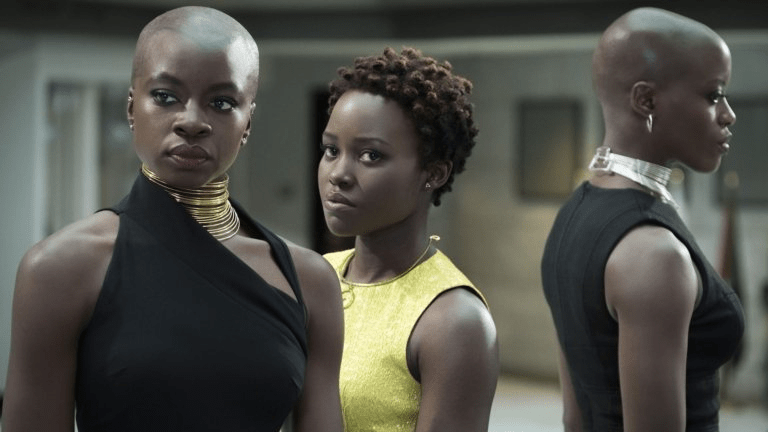
Like his father, T’Challa visits the United Nations with Okoye, Nakia, and Ayo (Florence Kasumba) to offer Wakanda’s resources in secret resources in building the world. He tells the doubtful delegates: “Fools build barriers. The wise build bridges.”
Okoye (Danai Gurira), Nakia (Lupita Nyong’o), and Ayo (Florence Kasumba)T’Challa
This article by Ismail Akwei was first published on face2faceafrica.com









 Ismail Akwei