These few African countries have satellites in space

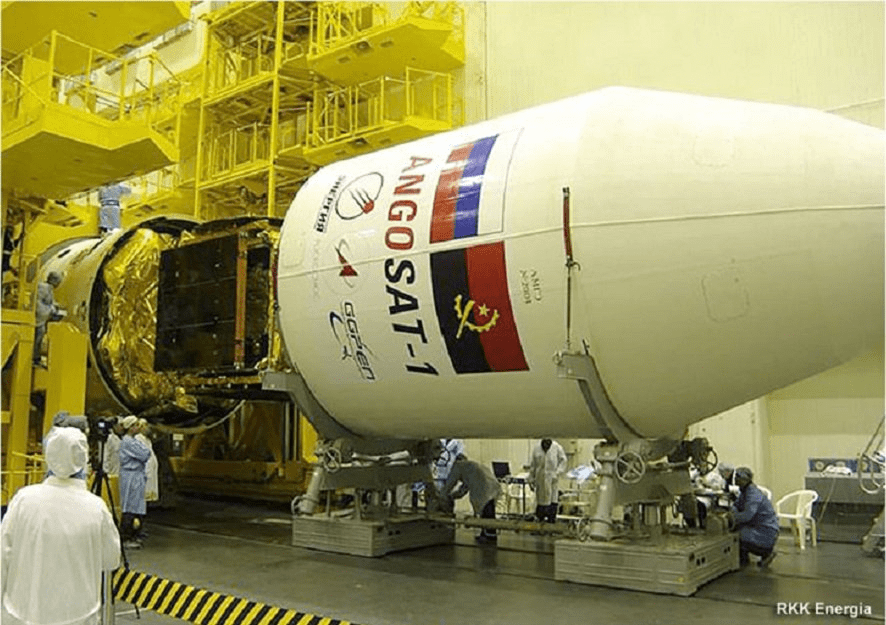
Angolan satellite launched into orbit last year

Technology is a significant part of our lives and currently, countries are ranked better than others based on their level of technological development that invariably affects its population.

Face2Face Africa presents Technology and Innovation Tuesday or #TIT series which highlights technological advancements and innovation in Africa every Tuesday. This series also aims to expose the brains behind life-saving innovations produced by Africans.

Our first installment of #TIT looks at the few Sub-Saharan African countries that have sent satellites into space to orbit the earth for research and other purposes.

As of 2018, only nine countries and one inter-governmental organisation in the world have sent objects including satellites into orbit with their own launch vehicles. They include the European Space Agency, Russia, China and the United States.

No African country has launched satellites into space using its own launch vehicles. However, only four countries in Sub-Saharan Africa have satellites orbiting the earth. Three African satellites were launched into orbit in 2017 alone.

Here are the four countries with satellites in space.
South Africa
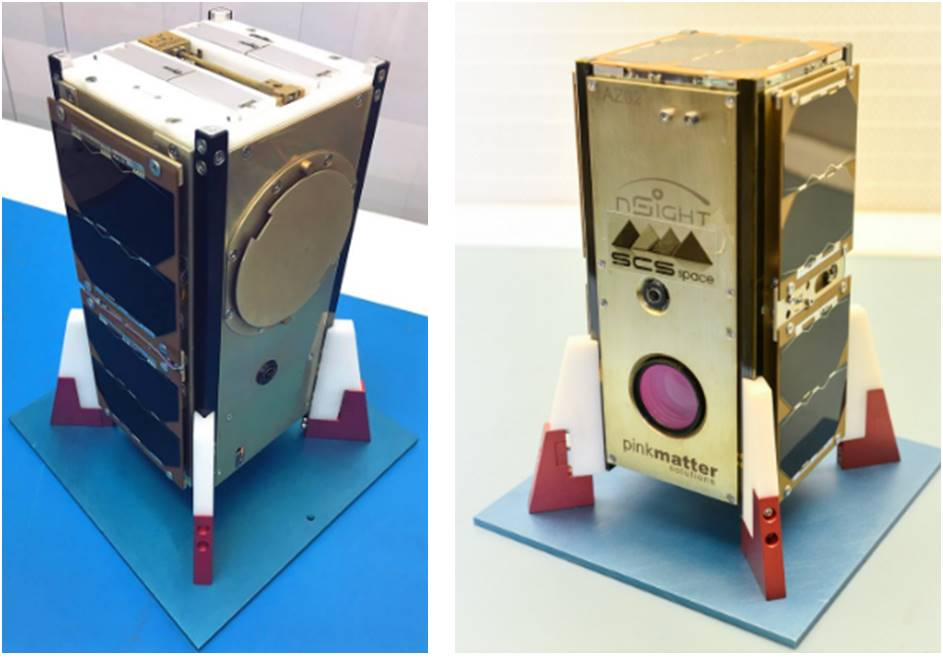
South Africa has launched a number of satellites into space including its first biggest private satellite in 2017. The country launched its first satellite in 1999.

The most recent nanosatellite called the nSight1 was launched to capture images with its remote sensing camera. Locally built and designed in South Africa, nSight1 is expected to study the largely unexplored lower thermosphere and send information back to earth.
Ghana
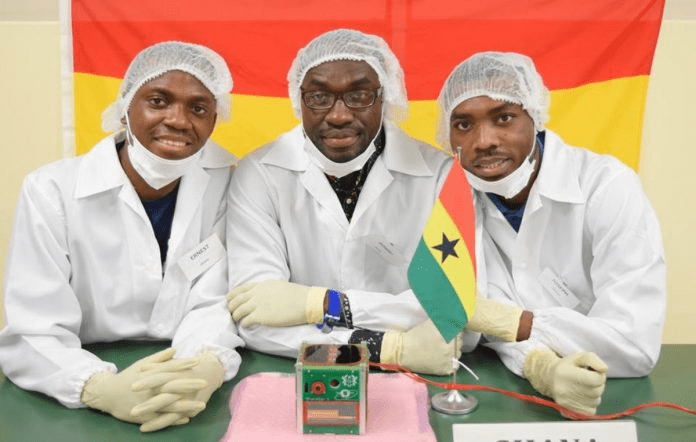
Ghana launched its first satellite called GhanaSat1 into space last year. It was developed by university students who took two years to design, assemble and test as part of a Japanese space project.

It was launched from the international space station. It has high and low-resolution cameras to take pictures and provide data of the coastal regions of the country.

Its main mission is to investigate radiation effects on satellite systems in space which are degraded due to the harsh space environment.
Nigeria
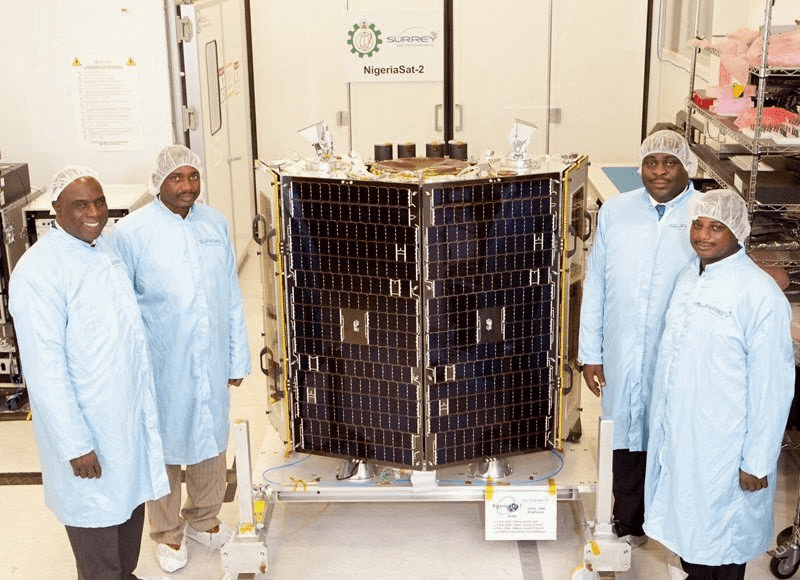
Nigeria launched two earth observation satellites into space in 2011 for the monitoring of its weather. The NigeriaSat-2 and NigeriaSat-X satellites were launched into orbit aboard a Russian Dnepr rocket from Yasny, southern Russia.

Angola
Late last year, Angola joined the three African countries to launch its first national satellite into space after suffering a brief loss of contact two days after take-off from the Baikonur launch facility in Kazakhstan.

The AngoSat-1 communications satellite cost $300 million and was built in partnership with Russia to aid in improving telecommunication services, telemedicine and other projects. The development of the satellite started since 2009 and it’s expected to have a working life of about 15 years.

This article by Ismail Akwei was first published on face2faceafrica.com

5 most popular African countries that do not exist

Aerial view of Wakanda in Black Panther

New Marvel film Black Panther has stolen the show with its record-breaking sales, great storyline, star-studded cast and effective change of narrative about Africa through fiction.

Months ahead of its premiere, British Airways was called out for describing Black Panther star Lupita Nyong’o as a citizen of the fictional African kingdom of Wakanda which was portrayed positively in the film.

The airline’s in-flight magazine High Life published a photo collage of celebrities they believe will make 2018’s best-dressed list and the Oscar winner from Kenya was misrepresented.

Little did the world know that Wakanda will become the most wanted place for people of African descent who were hit by the Wakanda fever after watching the movie. The so-called third-world country that is technologically advanced is ruled by King T’Challa, also known as Black Panther.

But, before Wakanda, there were many African countries that do not exist but made their way into movies, speeches and households. Here are five popular fictional nations that are definitely not real.

Zamunda

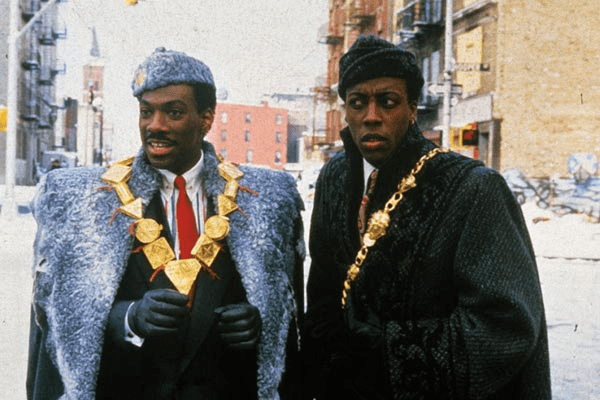
In the 1998 film Coming to America, Eddie Murphy played the role of Akeem Joffer, the crown prince of the fictional African nation of Zamunda, who comes to the United States in the hopes of finding a woman he can marry.

He found his wife alright and they returned to Zamunda for the grand royal wedding.

Nambia

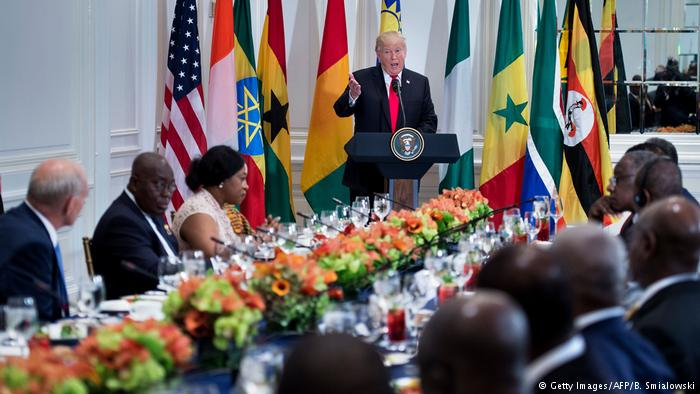
This inexistent African country became popular after U.S. President Donald Trump mentioned it in 2017 during a meeting with African leaders in New York. “Nambia’s health system is increasingly self-sufficient,” he said.

This created a week-long buzz on social media making the country popular.

Kivukiland

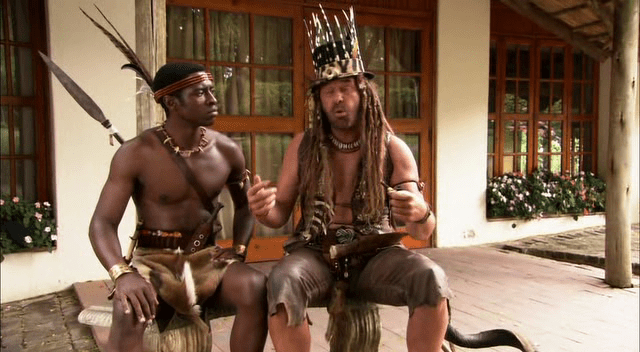
This African kingdom featured in the 2001 South African comedy movie Mr Bones by Leon Schuster, starring Leon Schuster.

Wadiya

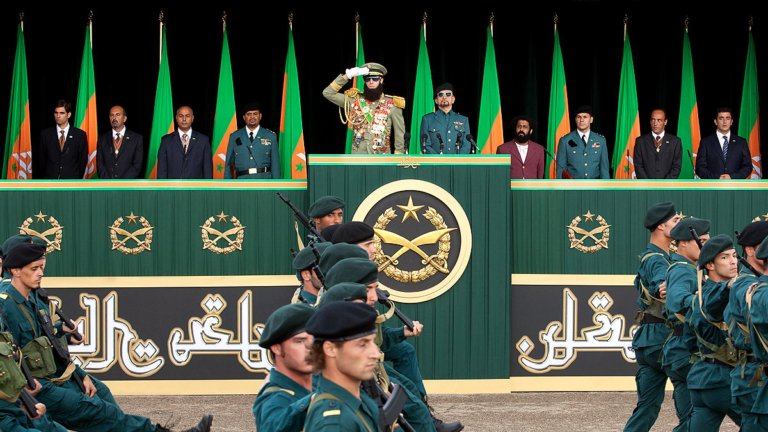
This North African country was ruled by the protagonist in the 2012 film The Dictator. Baron Cohen played the role of Admiral General Aladeen, the dictator of the fictional Republic of Wadiya who threatens to bomb Israel with his nuclear weapons, surrounds himself with female bodyguards, sponsors al-Qaeda (specially giving shelter to Osama Bin Laden after “they killed his double one year ago”), and changes every word in the dictionary to “Aladeen”.

Africa

Africa is not a country but maybe it should be as the leaders have been debating the idea of pooling resources to serve as a compact unit for development. Many people outside the continent have made reference to Africa as a country while others do not even know that there are 54 countries in Africa.

This article by Ismail Akwei was first published on face2faceafrica.com

Nigerian attempts to break world record for longest reading aloud marathon

Bayode Treasures-Olawunmi

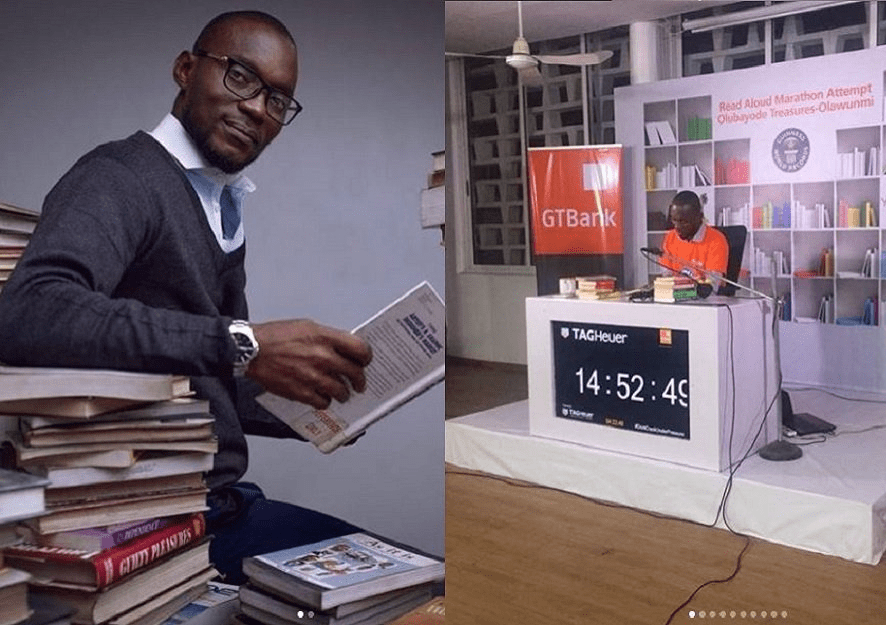
A Nigerian man is hours into breaking the Guinness World Record for the longest marathon reading aloud which was set in 2008 by a Nepalese who read 17 books aloud in 113 hours 15 minutes.

Bayode Treasures-Olawunmi started his record-breaking attempt at 1230 GMT on Monday at the Herbert Macaulay Library in Lagos where he plans to read out loud for 120 hours with only two hours break every 24 hours. This means Bayode will finish on Saturday if he doesn’t give up.

Many Nigerians are fascinated by his attempt as they troop to the Library where he is seated behind a table fitted with a timer and a microphone he is reading into.

Ahead of the attempt, Bayode said in a promotional video that he started reading when he was in primary school and he currently reads 10 hours a day. He added that his aim for breaking the world record is to inspire the youth to take up reading.

This article by Ismail Akwei was first published on face2faceafrica.com

British govt tweet about paying 1833 slavery loan in 2015 sparks anger

Arecent #FridayFact tweet by the British Treasury stating that its government fully paid slave owners in 2015 for the 1833 abolition of the slave trade, sparked outrage in the Caribbean islands where there is a demand for reparation for slavery.

The tweet, which was deleted hours after it was posted on February 9, claimed that the British government used 40 percent of its national budget, almost US$30 million dollars at the time, to fully compensate slave owners after 180 years, reports local news portal Dominica News Online.

The economic community of fifteen Caribbean nations and dependencies (CARICOM) reacted to the claims by the British government in a press conference in Jamaica where they described the loan payment as immoral.

The Chairperson of the CARICOM Reparations Commission, Sir Hilary Beckles, who is also the Vice-Chancellor of the University of West Indies faulted the British for refusing to pay reparations to Caribbean communities yet used taxpayers’ money to repay the loan.

“We consider this to be an immorality. For me it is the greatest act of political immorality, to be told consistently and persistently to put this in the past and yet Her Majesty’s Treasury has released the relevant information to suggest that it is just two years ago that this bond was being repaid,” said Beckles who chaired the press conference.

“This transfer of public money to the private holders of the slave bond makes it a present-day activity. It also implies that the 300,000 West Indian people who have been living in Britain, their taxes were being used to pay back the slavery loan, which suggests that you are speaking of a double payment,” he added.

Sir Hilary Beckles had made a presentation on reparations in 2014 at the British House of Commons, and he questioned the timing of the loan paid a few months later in 2015.

He further explained the racist nature of the Abolition Act of 1833 which ensured the transfer of the wealth of the Caribbean back to Britain, using the cash liquidated from slavery; while the Caribbean is left to suffer in poverty.

Beckles called for a united Caribbean front to urge the British to refund the money extracted from the region which has been riddled with poverty.

The British parliament passed the Slavery Abolition Act in 1833. The act gave all slaves in the British Empire their freedom and the slave owners access to compensation. The amount that the plantation owners received depended on the number of slaves that they had.

According to Sir Hilary Beckles, the amount that was to be paid for the abolition of slavery was actually 47 million pounds and not 20 million pounds as claimed. He explained that the British parliament actually paid 20 million pounds in cash to the plantation owners and then stipulated that the enslaved should work for an additional six years for free under the Apprenticeship period, to pay off the balance of 27 million pounds.

This article by Ismail Akwei was first published on face2faceafrica.com
These East African countries are the most corrupt in the world

Money exchanging hands — Photo: UNDP

Global anti-corruption agency Transparency International has released its latest 2017 Corruption Perception Index (CPI) which ranks 180 countries and territories by their perceived levels of public sector corruption according to experts and businesspeople.

There was little progress in ending corruption as about two-thirds of the countries scored below 50, with an average score of 43. New Zealand and Denmark were ranked the least corrupt countries in the world.

Africa was the worst-performing region in the 2017 Index with average scores lower than 50. The least corrupt country in Africa was Botswana which ranked 34 out of 180. Senegal (66) and Cote d’Ivoire (103) were the countries that made great strides towards alleviating corruption.

Botswana (34), Seychelles (36), Cape Verde (48), Rwanda (48) and Namibia (53) scored better than some European countries like Spain (42), Italy (54), Greece (59) and Hungary (66) due to their political leadership that was committed to anti-corruption, says Transparency International.

The most corrupt African countries are Somalia and South Sudan ranking 180 and 179 respectively. Their drop was attributed to significant governance challenges like Malawi and Guinea Bissau that continue to decline significantly. South Sudan officially joined the East African Community (EAC) in 2016 and Somalia is poised to join the regional economic group.

The African Union (AU) has led anti-corruption campaigns since last year to curb the endemic problem. Angola became the 39th State Party to the AU Convention on Preventing and Combating Corruption on Wednesday. Over a dozen African countries are yet to sign the treaty.

Below is the full list of countries and their ranking.

CORRUPTION PERCEPTIONS INDEX 2017

Transparency International gave these five recommendations to help curb corruption:

Governments and businesses must do more to encourage free speech, independent media, political dissent and an open and engaged civil society.

Governments should minimise regulations on media, including traditional and new media, and ensure that journalists can work without fear of repression or violence. In addition, international donors should consider press freedom relevant to development aid or access to international organisations.

Civil society and governments should promote laws that focus on access to information. This access helps enhance transparency and accountability while reducing opportunities for corruption. It is important, however, for governments to not only invest in an appropriate legal framework for such laws, but also commit to their implementation.

Activists and governments should take advantage of the momentum generated by the United Nations Sustainable Development Goals (SDGs) to advocate and push for reforms at the national and global level. Specifically, governments must ensure access to information and the protection of fundamental freedoms and align these to international agreements and best practices.

Governments and businesses should proactively disclose relevant public interest information in open data formats. Proactive disclosure of relevant data, including government budgets, company ownership, public procurement and political party finances allows journalists, civil society and affected communities to identify patterns of corrupt conduct more efficiently.

This article was first published by Ismail Akwei on face2faceafrica.com