African countries taking giant steps in robotics

Africa is rapidly catching up with the Western world in the field of robotics. Robots are being created in the continent and programmed to help undertake difficult tasks and carry out complex actions automatically.

Last year, 40 African countries participated in the maiden FIRST Global international robotics competition for students in the United States where Benin and Liberia ranked in the top 12 among the 163 nations.

Their tasks were to build robots which will accomplish engineering tasks as a global society to solve water crisis.

Outside Africa, robots are being equipped with Artificial Intelligence technology that allows them to act and speak like humans as well as make facial expressions. An example is the humanoid robot Sophia which was developed by American company Hanson Robotics.

Sophia has a porcelain skin with other features including a slender nose, high cheekbones, an intriguing smile, and deeply expressive eyes that seem to change colour with the light.

The robot has been interviewed around the world and featured on several TV shows and at major conferences including the United Nations General Assembly. She was recently offered Saudi citizenship, making her the first robot to be granted citizenship of any country.

Concerns have been raised in Africa about robots taking over jobs of young people. The United Nations revealed in 2016 that robots will take away two-thirds of jobs in developing countries.

The United Nations Deputy Secretary-General Amina Mohammed also raised concerns last year saying: “The influence of technology on our society should be determined by actions of humans and not by machines. If technological progress is not managed well, it risks exacerbating existing inequalities.”

Here are African countries that have produced, and are significantly utilizing robots to solve local problems.

The Democratic Republic of the Congo

Eight-foot tall, solar-powered robots were mounted in the capital Kinshasa to direct traffic. The robots took the place of human traffic wardens and they direct both vehicles and pedestrians every day and in all weather conditions.

Tanzania

A high school student built a robot that can walk, turn its head, speak and perform other functions with the help of a remote control. Gracious Ephraim built the robot last year using local materials including aluminium box, wires, tin containers, pieces of metal and a memory chip for the brain. The robot is powered by solar energy and cost the science student 200,000 Tanzanian Shillings ($89) to put it together in 12 months.
Uganda
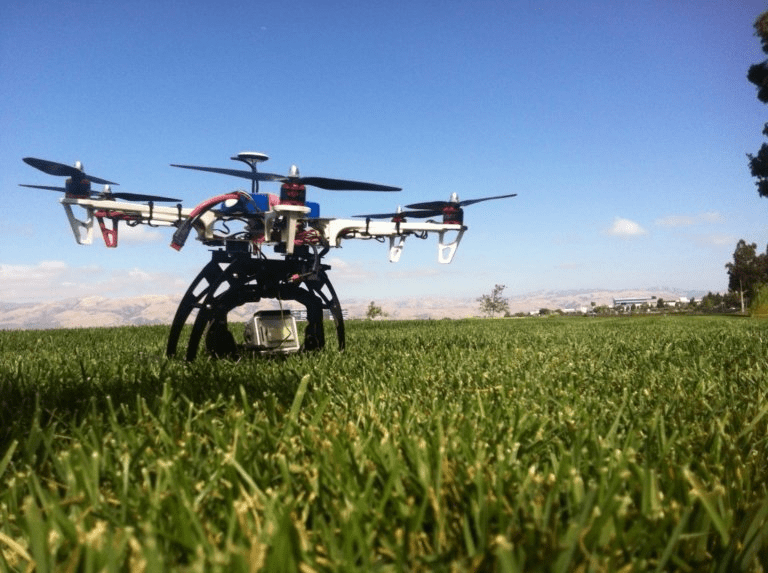
Drones with sensors are used in farms to detect stress in plants, ten days before humans can.
South Africa
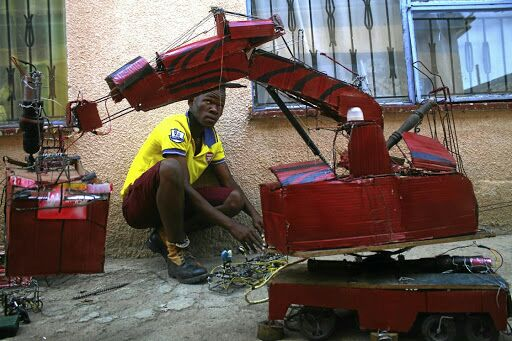
20-year-old Mpho Makutu picks scrap metal, wires and card boxes from Johannesburg’s dump sites to build remote-controlled cars and battery-powered robots and cranes. He displays his inventions in the streets of Soweto where tourists pay to see how they work.

His most recent invention is a red battery-powered robot that grabs objects and moves them around at the touch of seven different wire levers. It took him two weeks to build the robot from cardboard boxes‚ wires and scrap metal he picked from dump sites.

Botswana
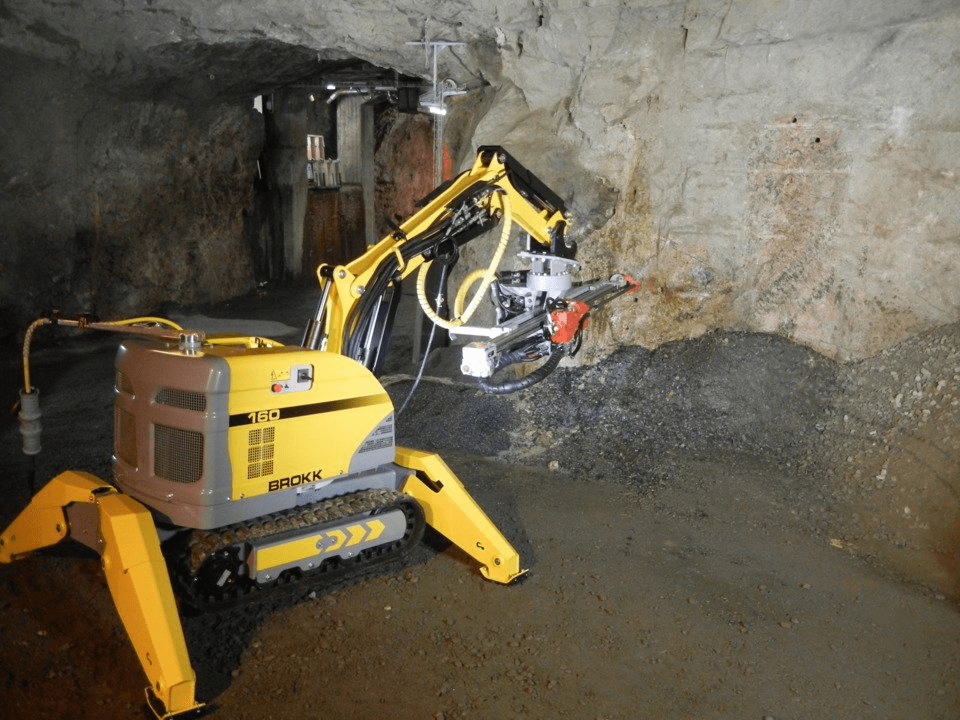
Robots are used to mine diamonds at depths that are unsafe for humans.
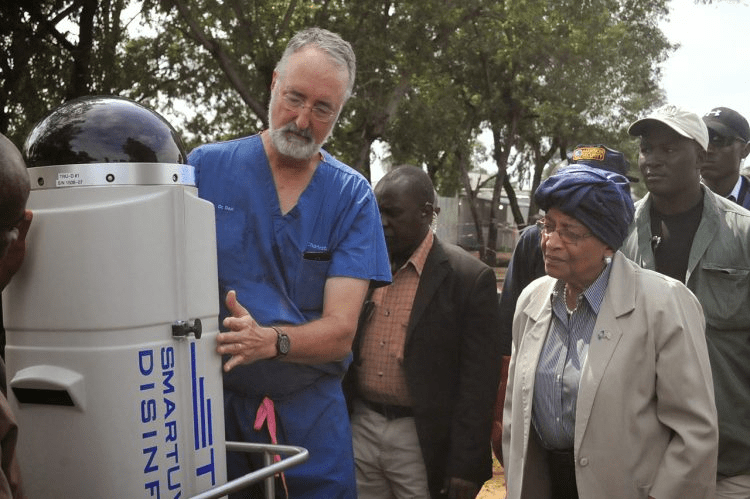
Liberia
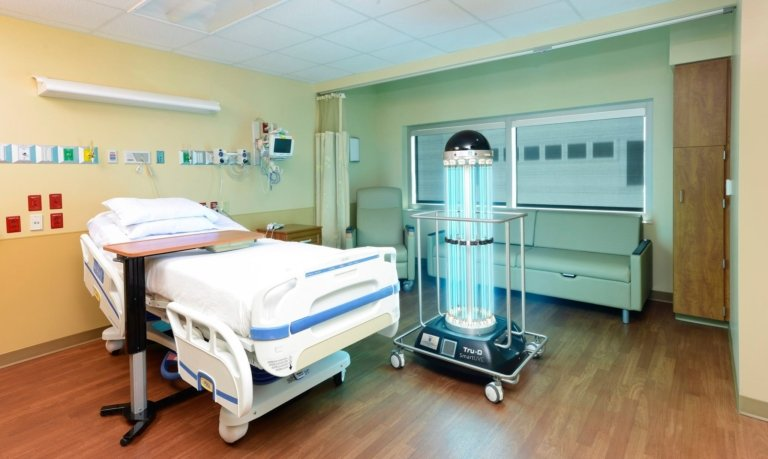
Liberia took full advantage of the 5×5 foot robot, TRU-D, in the wake of the 2014 Ebola crisis. TRU-D disinfected rooms where Ebola patients were treated.

This article by Ismail Akwei was first published on face2faceafrica.com

Ethiopia, Sudan to develop nuclear power with the help of Russia

Ethiopian and Russian foreign ministers Dr Workneh Gebeyehu and Sergey Lavrov

Ethiopia recently signed an agreement with Russia to set up nuclear technology to help power the Horn of Africa country.

The agreement was signed last week during the visit of the Russian foreign affairs minister, Sergey Lavrov who met Ethiopia’s Minister for Foreign Affairs, Dr Workneh Gebeyehu in Addis Ababa.

“We agreed to strengthen economic, trade and investment relations between the two countries. We have also discussed ways to cooperate on various sectors, including in setting up nuclear technology centre, education, science, and technology,” said Workneh.

He was quick to indicate that the nuclear development program which will be launched after the conclusion of the agreement will be used for “peaceful purpose”, reports local media FANA Broadcasting Corporation.

Sudanese Water Resources and Electricity Minister Moataz Musa is also in Moscow for talks with the head of Russian state nuclear agency Rosatom on building nuclear power stations in Sudan, reports state news agency SUNA.

“The two sides will sign a number of memorandums of understanding, including a roadmap to build a nuclear plant,” ministry spokesperson Mohamed Gawish said.

The minister further explained that Sudan is looking forward to building a “small-scale nuclear reactor to produce electricity and to complete the studies needed to establish a nuclear plant within eight years under the supervision of the International Atomic Energy Agency”, reports local media Sudan Tribune.

South Africa is the only country in Africa with a commercial nuclear power plant. Its two reactors located at the Koeberg nuclear power station produce 5% of the country’s electricity.

Other African countries including Algeria, Egypt, Ghana, Kenya, Libya, Morocco, Namibia, Nigeria, Senegal, Tunisia, and Uganda are considering the use of nuclear power to generate electricity.

This article by Ismail Akwei was first published on face2faceafrica.com
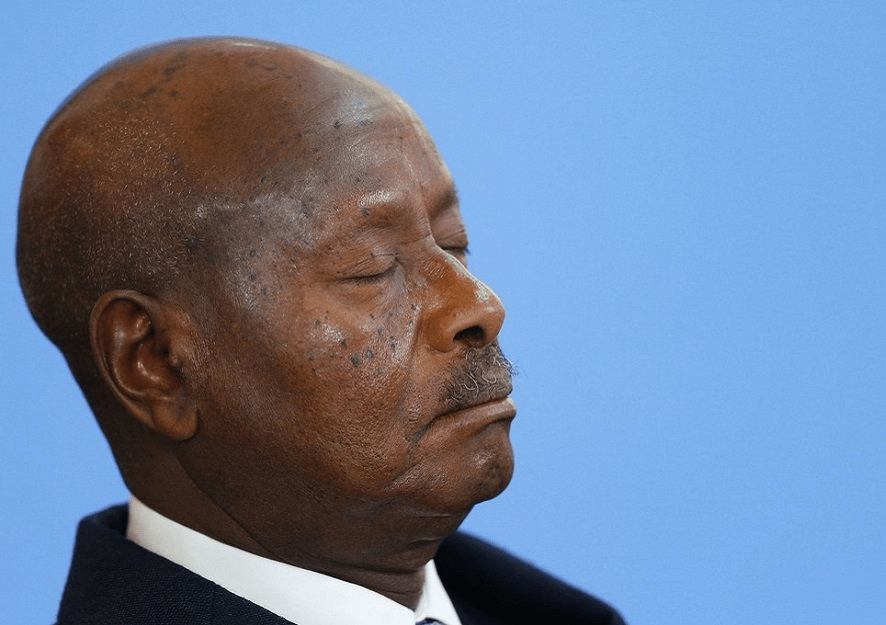
Trump-loving Ugandan president blames African poverty on excessive sleep

Ugandan president Yoweri Museveni with his eyes closed during the London Conference on Somalia at Lancaster House in London, on May 7, 2013. — AFP

Ugandan president Yoweri Museveni has decoded the cause of poverty in his country and Africa as a whole. He attributes it to “sleep”.

“Africa is so rich because we have got water, land, minerals, good weather. So, how does this [poverty] come about? It is because of nino [Langi word for sleeping],” he was quoted by local media Daily Monitor.

He made this statement over the weekend at an event where he blamed Africans and “oversleeping” for African problems.

“People, as the prayer book of the Church of Uganda says, ‘leave undone as they ought to do and they do things that they are not meant to do’. That is why you get [poverty] in the place which has got a lot of lonyo [Langi for wealth],” he added.

Museveni has regularly addressed the issue of poverty in Africa and advocated for Africans to focus on agriculture and internal trade to develop their nations.

He expressed his “love” for U.S. President Donald Trump whom he described as “one of the best presidents ever” after Trump was reported to have described African nations as “shithole countries”.

“America has got one of the best presidents ever, Mr Trump. I love Trump because he tells the Africans frankly … the Africans need to solve their problems, they need to be strong. In the world, you cannot survive if you are weak. It is the fault of the Africans that they are weak … why can’t we make Africa strong?” Museveni said to a laughing audience during the opening of the East African Legislative Assembly (EALA) in January.

73-year-old Yoweri Museveni has been riddled with controversies including the recent extension of presidential age limit which will enable him to stand for another election despite serving as president since 1986.

This article by Ismail Akwei was first published on face2faceafrica.com
Scientists claim they’ve found the origin of sickle-cell anemia: West Africa

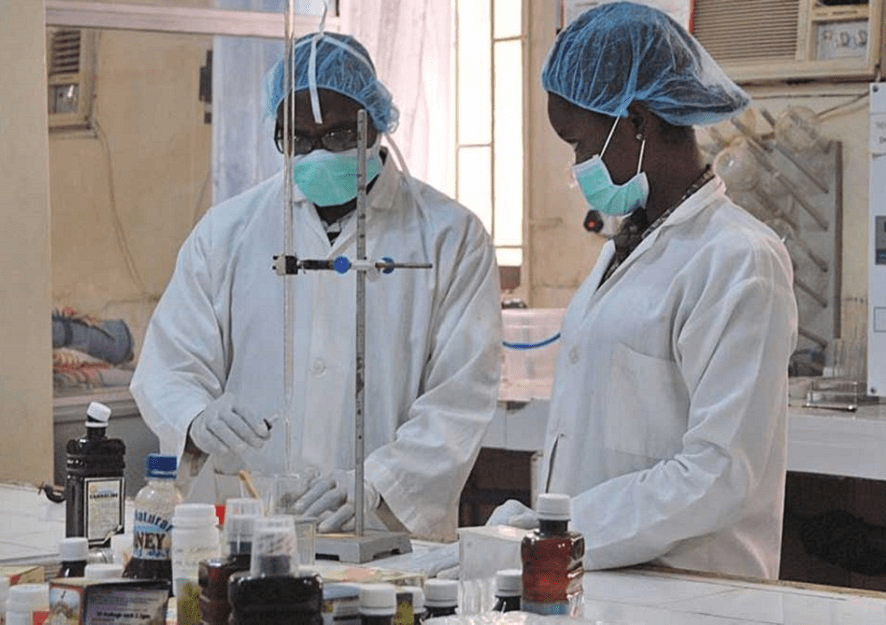
Scientist claim sickle-cell anemia started in one person in West Africa some 7,300 years ago who was born with the genetic mutation that altered his hemoglobin.

This child had survived in the Sahara which was not a desert at the time but a green belt of savannas with lakes and rivers in which hunter-gatherers caught fish and speared hippos.

His genetic mutation was not harmful as he had two copies of the hemoglobin gene and one was normal. He passed it on to future generations who had moved to other parts of Africa and became cattle-herders and farmers when the desertification of the Sahara began.

This research was carried out by scientist Daniel Shriner and Charles N. Rotimi, the director of the Center for Research on Genomics and Global Health in the United States where the research was conducted.

The findings published last Thursday in the American Journal of Human Genetics indicated that people who carried one mutated gene were protected against malaria which was a threat in the region.

However, some of the descendants inherited two copies of the mutant hemoglobin gene instead of one and could no longer produce normal hemoglobin.

This resulted in defective red cells that clogged their blood vessels causing the condition known as sickle cell anemia which has killed many children and caused extreme pain, difficulty with breathing, kidney failure and even strokes.

Dr. Shriner and Dr. Rotimi analyzed the genomes of nearly 3,000 people to reconstruct the genetic history of the disease which has spread throughout Africa, southern Europe, the Near East and India with about 300,000 children each year born with sickle cell anemia.

Dr. Rotimi explained that they carried out the research because an improved understanding of the history of sickle cell anemia could lead to better medical care. It might allow researchers to predict who will suffer severe symptoms and who will only experience mild ones, reports the New York Times.

The research found that sickle cell mutation seemed to defend against malaria by starving the single-celled parasite that causes the disease. The parasite feeds on hemoglobin, and so it’s possible that it can’t grow on the sickle cell version of the molecule.

“It would definitely help physicians to treat patients at a global level,” says Dr Rotimi who believes the mutation which was discovered in the 1900s can be treated with inspiration from their findings.

This article by Ismail Akwei was first published on face2faceafrica.com
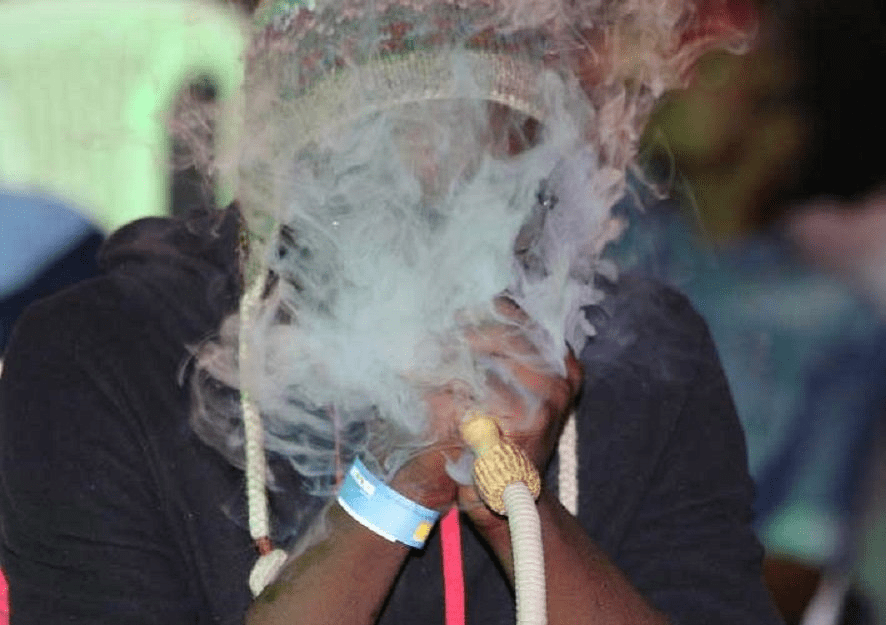
Ghana to join East African countries in banning shisha smoking

Shisha, hookah or waterpipe has become very popular among the youth in Africa, and a few countries have taken steps to ban its use after the World Health Organisation (WHO) outlined its lethal health effects in 2015.

Kenya, Tanzania and Rwanda are the only African countries that have banned shisha smoking which is reported to be more harmful than cigarettes. In light of this, the Ghana Health Service (GHS) says it is planning with the country’s Ministry of Health to ban shisha smoking this year.

This was revealed by a research officer with the GHS, Divine Darlington Logo, who said smoking shisha and e-cigarettes has shot up to 5.3 percent among the youth, higher than the traditional use of tobacco which stands at 2.8 percent, reports local media Daily Graphic.

“We are working with the Ministry of Health now to ban shisha and electronic cigarettes in Ghana, Shisha use is more harmful than cigarettes, one puff from that tube is equal to one full cigarette that you smoke … I can assure you by the middle of this year surely that has to be done,” said Divine Logo.

Ghana banned smoking in public places in 2012 following the passage of its Public Health Bill.

Rwanda is the latest country to ban shisha smoking in 2017. The East African country banned its use, advertisement and importation.

The WHO stated in a 2015 advisory note that the effect of shisha tobacco on the body is more harmful than cigarettes.

“All the studies to date indicate that, during a typical waterpipe use session, the user will draw large doses of toxicants (ranging from less than one to tens of cigarette equivalents). These toxicants have been linked to addiction, heart and lung diseases, and cancer in cigarette smokers and can result in similar outcomes in waterpipe users if these toxicants are absorbed in the body in appreciable amounts,” the reported stated.

It also noted other effects such as the intake of toxicants, acute psychological and health effects which can affect second-hand smokers as well.

“In summary, all the evidence, from studies of molecules to studies of human populations, converges towards the conclusion that waterpipe tobacco smoking causes diseases that are commonly associated with cigarette smoking, including addiction … In light of the widespread, growing use of waterpipes worldwide, firm action is necessary and justified to protect public health,” the report concluded.

The smoking of shisha tobacco is widespread in Africa as shisha bars are springing up in major cities. There is little regulation and according to the WHO research, high school students in South Africa have been caught up in the smoking of the Middle Eastern product.

This article by Ismail Akwei was first published on face2faceafrica.com