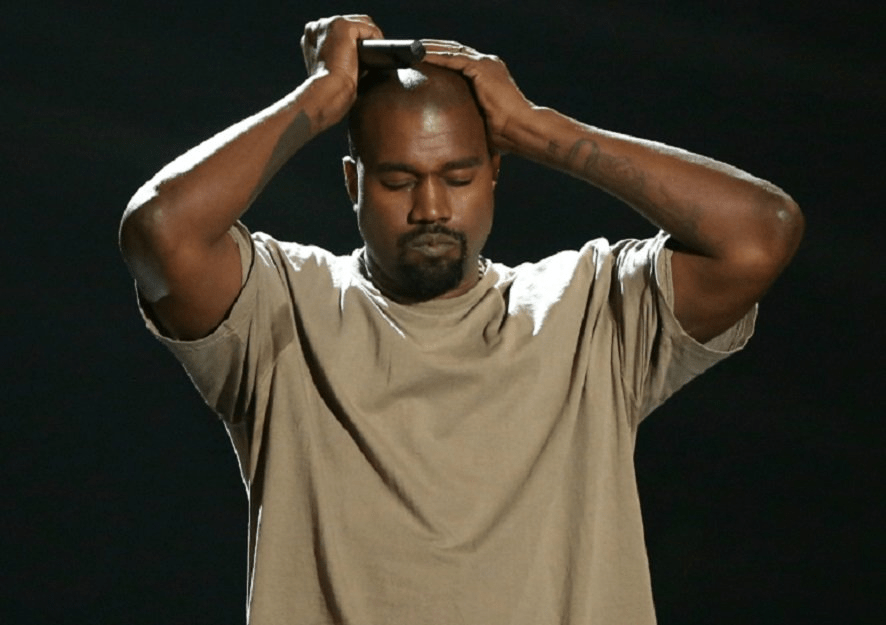
Kanye West is insanely wrong, slavery was not a choice and we can’t forget the past

Kanye West

In this bright future, you can’t forget your past.

These were the words of one of the world’s greatest philosophers, reggae legend Bob Marley in his 1975 song with The Wailers titled No Woman, No Cry.

These words quickly invaded my thoughts when rapper Kanye West hit below the belt with his, “When you hear about slavery for 400 years … For 400 years? That sounds like a choice”, statement.

He followed his statement with a series of tweets explaining his point saying: “we can’t be mentally imprisoned for another 400 years. We need free thought now. Even the statement was an example of free thought. It was just an idea. Once again I am being attacked for presenting new ideas.”

the reason why I brought up the 400 years point is because we can’t be mentally imprisoned for another 400 years. We need free thought now. Even the statement was an example of free thought It was just an idea

— KANYE WEST (@kanyewest) May 1, 2018

Well, Mr West, you can’t bundle the past of an entire race – which you are sadly a part of – and denigrate it with an excuse of an idea.

An idea led to the enslavement of over 10 million Africans, some 315 years ago in chains and shipped to North America, Central America, the Caribbean and Brazil.

Between the 16th and 19th century, free Africans like Ayuba Suleiman Diallo, a merchant and scholar in Bundu – present-day Senegal – were captured by slave traders as they went about their normal activities.
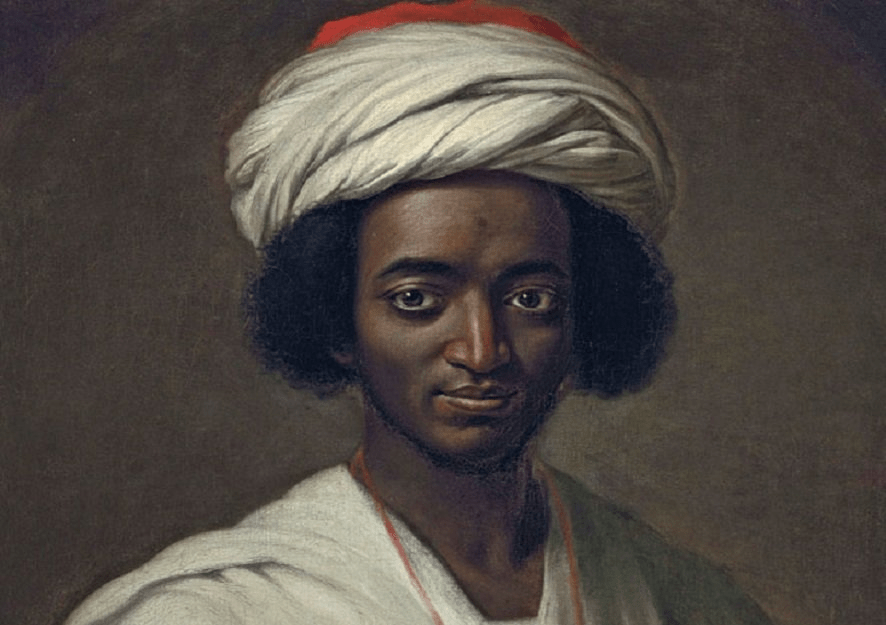
Ayuba Suleiman Diallo

Diallo and his interpreter Loumein Yoas were captured in 1730 by The Gambia river where they were waiting to welcome some friends back from a journey. They were among the millions who embarked on the 20,528 voyages to the West. They didn’t choose to join the ship.

For Omar Ibn Said, a tradesman and teacher who had even performed his obligatory pilgrimage to Mecca from 1790-1805, he was sold to an American slave trader and sent to Charleston, South Carolina. He didn’t choose to be enslaved.
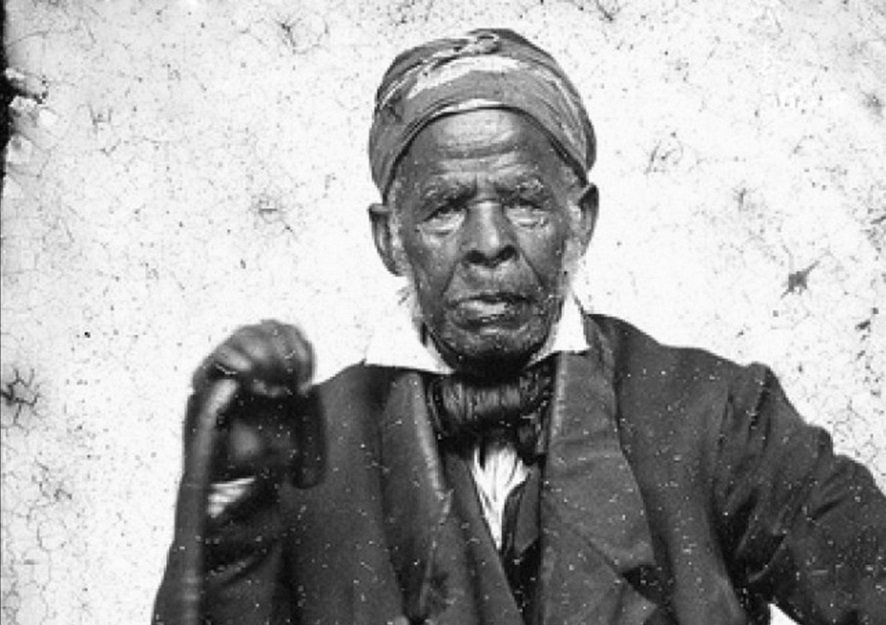
Omar Ibn Said

Gaspar Yanga, born in 1545 and a direct descendant of the Royal family of Gabon, was sold into slavery and shipped to Mexico where he later led the successful 1570 African Slave Revolt in Veracruz. He and those he led did not want to be slaves.
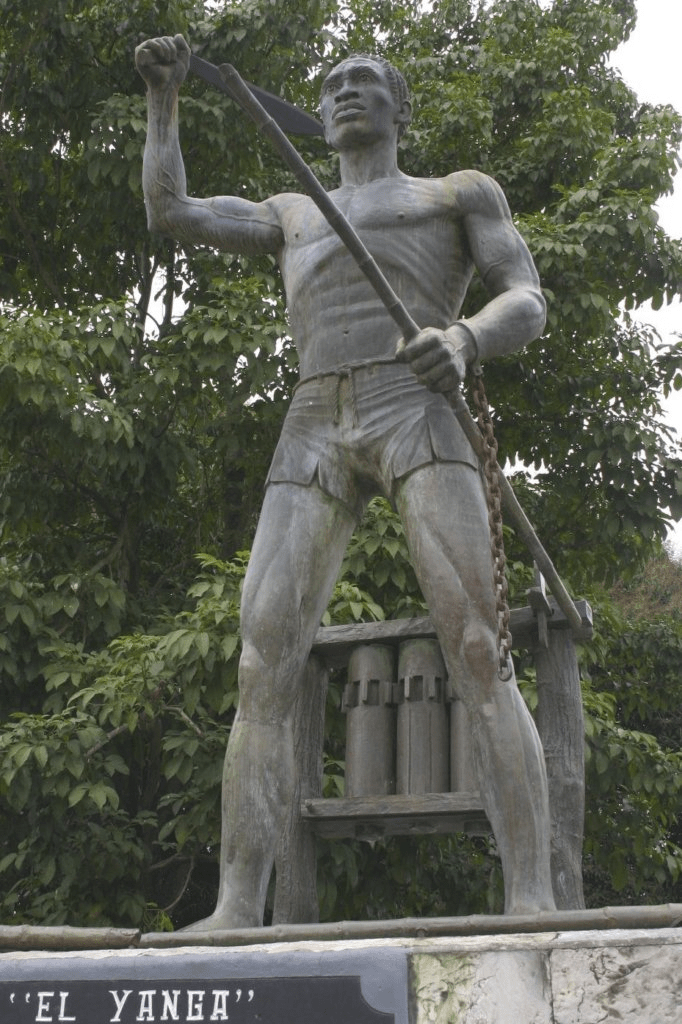
Gaspar Yanga

Remigio Herrera, also known as Adeshina Obara Meyi was an enslaved Yoruba priest from present-day Nigeria. He was sold to slavery in the 1830s and transported to Cuba where he was enslaved for thirty years before gaining his freedom through divination. He did not like the idea of slavery.
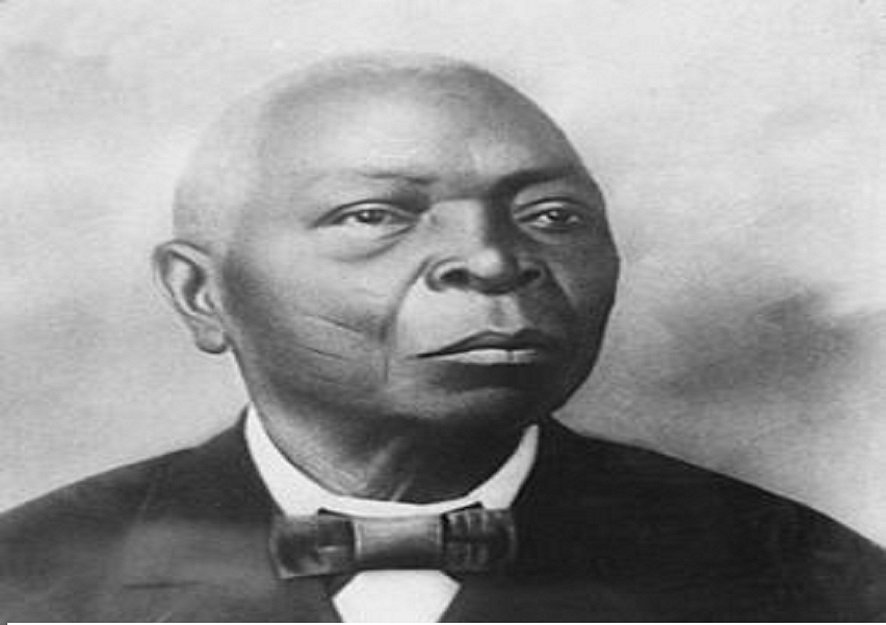
It is a fact that some Africans actively participated in the slave trade including Tippu Tip, Rabih az-Zubayr, Al-Zubayr Rahma Mansur, Rumaliza, William Ansah Sessarakoo (1736–1770), Efunroye Tinubu (1810 – 1887), Okoro Idozuka among hundreds of chiefs and businessmen.

But for the spirit of Sankofa – an African symbol that represents the importance of learning from the past – Africans of the 21st century would have forgotten about the slave trade which was mainly facilitated by Europeans. We would have succumbed to the mental slavery facing several Black communities in and outside the continent.

Early this year in the UK, white schoolboys held a mock slave auction of a black boy. The seven boys proceeded to call the black student the N-word, whip him with sticks, and prepare him to be “auctioned off”. This was followed by a brief suspension of the boys and an investigation into the incident.

There were other cases in the U.S. this year including that of a charter school in San Antonio, Texas, where students were given an assignment to list “positive and negative aspects” of slavery by giving a “balanced view.”

There was an uproar and the school defended the teacher saying the instructions were annotated in Prentice Hall Classics: A History of the United States. The school said it has ceased using the textbook amid a review.

White privilege, racism, racial profiling, police brutality, racial inequality and many other modern-day discriminatory and slavery-like acts against Black people are being repelled with the help of the documented history of the days of slavery.

Without the past, the modern-day slavery components would be seen as normal and acceptable in today’s free world and we wouldn’t have witnessed, among many others, the Black Lives Matter (BLM) movement against police brutality and injustices against black people.

The killing of Trayvon Martin, Amadou Diallo, Michael BrownEric Garner, and many others who were murdered because of their race will not be in vain, thanks to precedents like the slave trade and its aftermath.

Kanye West must apologize and seek help for his restlessness.

This article by Ismail Akwei was first published on face2faceafrica.com
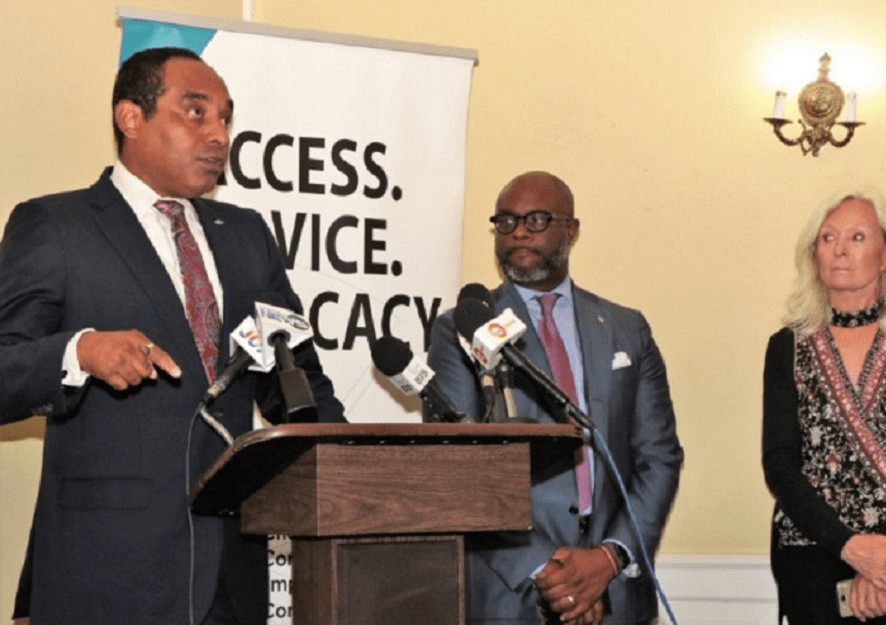
The Bahamas moves to ban disposable plastics, flying balloons by 2020

Environment and Housing Minister Romauld Ferreira at a press conference in Nassau — Photo: BIS/Eric Rose

The Bahamas, the Atlantic Ocean archipelago of over 700 islands, has announced its plan to ban all disposable plastics and flying of balloons by 2020 to address the growing marine pollution and poor waste management issues.

The country’s environment and housing minister Romauld Ferreira said at a press conference last week they are developing a plan to implement the project which will lead to the country’s pledge to the Clean Seas Campaign launched by the United Nations Environment to increase global awareness to reduce marine litter, reports Caribbean360.

“We will also move to make the release of balloons into the air illegal, as they end up in our oceans, releasing toxins and injuring marine life … If you didn’t know, plastic and Styrofoam do not decompose. They break down into much smaller micro-pieces which are often mistaken for food by birds, turtles, and fish … Now, we have come to full cycle and find ourselves eating our own plastic waste,” he said.

As part of the plan, the minister said they are engaging with civil service and other stakeholders to hold a nation-wide public consultation and educational outreach campaign as well as developing a legislation to punish offenders.

He added that his ministry has already banned the purchase and supply of Styrofoam cups in offices in an effort to lead by example.

“We encourage all employees to bring their own mug and reusable water bottles to work. We are working to expand our office sustainability plan so that it may be echoed throughout the public sector,” he said.

The Bahamas attracts over a million tourists annually and if the pollution continues, the country can lose up to $8.5 million in tourism losses annually, the minister noted.

This article by Ismail Akwei was first published on face2faceafrica.com

All you need to know about black Africans with blue eyes

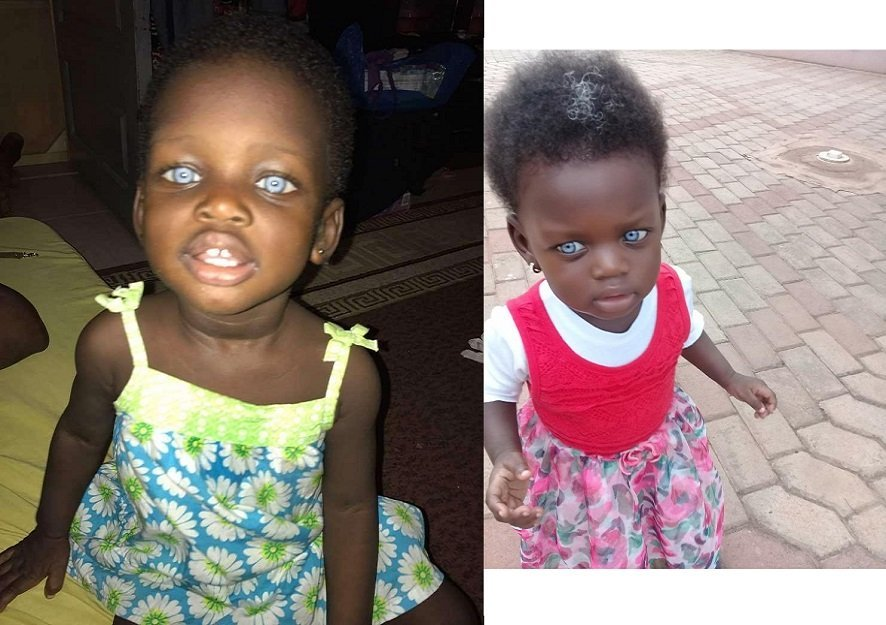
Black African boy with blue eyes

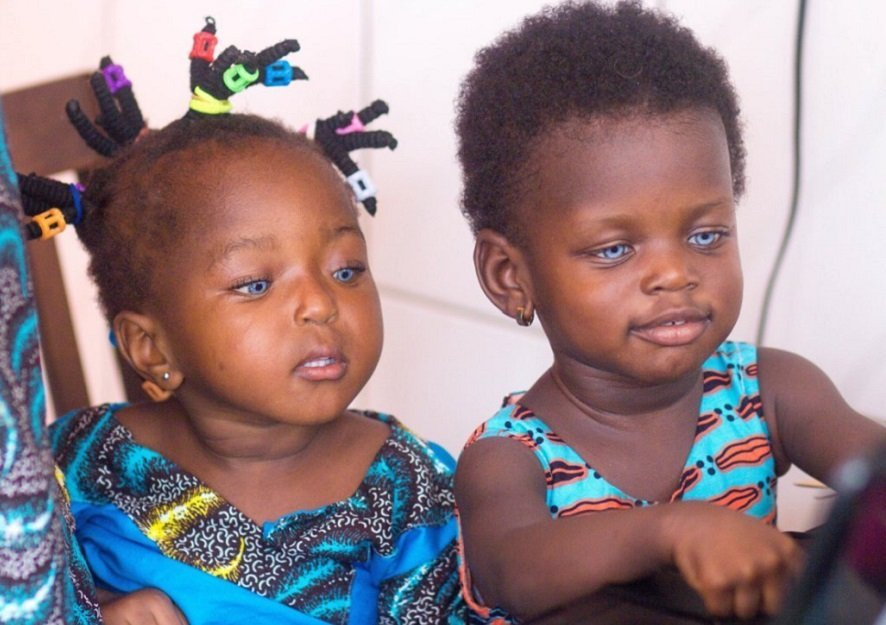
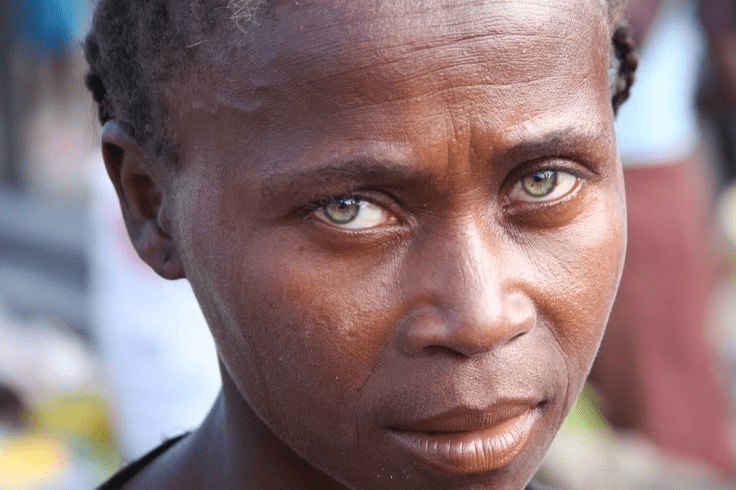
It will no more be shocking to many when they see black Africans with blue eyes after recent discoveries of such special people in various parts of the continent. They are not albinos, and do not have the typical dark brown African eyes.

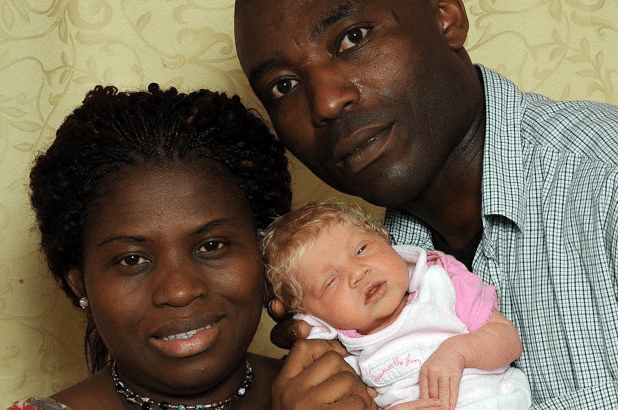
It wasn’t an easy experience for a black Nigerian immigrant couple in London who gave birth to a blue-eyed white baby girl with blond hair in 2010.

Doctors told them that she was a result of a gene mutation passed on from generations of predecessors without surfacing until now.

Findings of a DNA analysis on a fossil named “Cheddar Man” released in February revealed that the ancestor who was exhumed in a grave in Somerset, England in 1903, was an African who possibly emigrated to the Middle East and then into Europe before finally arriving in England.

The genome of Cheddar Man, who lived 10,000 years ago, suggests that he had blue eyes, dark skin and dark curly hair. It was initially assumed that he had pale skin and fair hair until the new DNA analysis conducted by the UK’s Natural History Museum.

A month before the findings were made public, Face2Face Africa reported the story of little Rebecca Chogtaa Dumeh from northern Ghana who is just a year and nine months old. She was born with blue eyes and the condition gained a lot of negative attention from her family and community who believed she was “cursed”.

Chogtaa’s condition has been diagnosed to be a rare genetic disorder called Waardenburg syndrome that comes with varying degrees of deafness, minor body defects and pigmentation changes.

Chogtaa has a minor hearing loss and Ghanaian model and entrepreneur Philomena Esinam Afi Antonio is raising funds to help her undergo surgery.

The story also helped discover another toddler named Miracle who was born with blue eyes and battling with speech impairment.

Thousands of people live with the defect all over the world and Waardenburg syndrome has no treatment or cure. It is named after Dutch ophthalmologist Petrus Johannes Waardenburg who described the syndrome in detail in 1951.

These prove that having blue eyes is not a preserve of Asians or Europeans. There are other black Africans with blue eyes who do not suffer from the Waardenburg syndrome or any other disease.

There are also black Africans with blue eyes as a result of having Caucasian relatives on both sides of the family who are carriers of the gene for that particular eye colour. The colours may vary, ranging from amber, blue, brown, grey, green, hazel, or red.

There are many black celebrities who do not have the typical dark brown eye colours of Africans. They include Rihanna, Tyra Banks, Vanessa Williams, and many more.

They are not cursed.

This article by Ismail Akwei was first published on face2faceafrica.com
How Kenya’s Maasai tribe is getting paid for use of its traditional designs

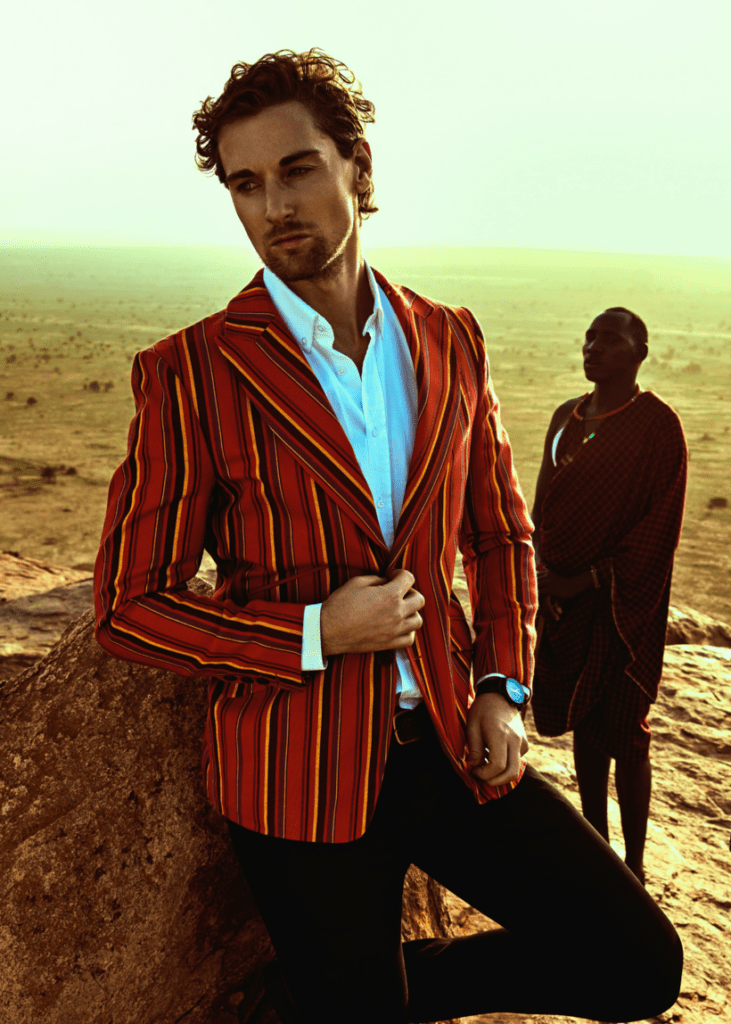
Louis Vuitton 2012 Summer/Spring collection inspired by the Maasai designs

Intellectual property rights are a new area for traditional African societies whose designs, colours and trademarks have helped make millions of dollars for multinational companies worldwide.

The Maasai tribe of Kenya has awakened after years of cultural exploitation by dozens of brands including international fashion brands and car manufacturers who have incorporated their rich culture into their product design without credit or fees.

This enlightenment resulted in the creation of the Maasai Intellectual Property Initiative Trust which is working with lawyers to get these companies using the Maasai trademark to pay for it.

The Maasai are working with a subsidiary of Washington-based advocacy group Light Years IP whose founder, Ron Layton, is pushing for the rights of the nearly two million pastoralists to be restored, the Financial Times reported in January.

Light Years IP has helped Ethiopian coffee growers build trademark protection around their premium coffee and now, it has succeeded in getting a UK retail company to agree to pay for its use of the Maasai designs for clothes.

Layton told FT that royalties that could be claimed by the Maasai are worth hundreds of millions of dollars and they could eventually use their brand to strike deals across a range of products in which a typical licensing fee would be 5 percent of the retail value.

Koy Clothing, the UK retail company run by brothers Alastair and Jimmy Scott said: “The ‘Maasai’ brand is valuable, and it should belong to the Maasai people. Their name, designs and styles often get used by others, but the Maasai don’t earn a penny from this. Well, we have taken the opposite approach!” it explained on its website.

The two brothers who grew up in Kenya said the Maasai fabrics presented an opportunity to combine authentic African cloth with the quintessentially British lifestyle and that “5% of all our sales are donated to support and respect the indigenous cultures that inspire our designs.”

Koy Clothing has produced a line of jackets made from Kikoy, a traditional 100% cotton cloth from Kenya. They named the jackets Maasai by reference to their colouring.

Light Years IP is in talks with other companies including Louis Vuitton, Calvin Klein, Ralph Lauren, Jaguar Land Rover, and Masai Barefoot Technology, a shoe company, who have used Maasai imagery or iconography to project its brand.

They estimate that more than 1,000 companies are guilty and according to Isaac Ole Tialolo, the chairman of the Maasai IP Initiative, “if they refuse to negotiate at the table, we will have no option but to go to the courts.”

This article by Ismail Akwei was first published on face2faceafrica.com

This African American woman obtained patent for an improved ironing board on this day in 1892

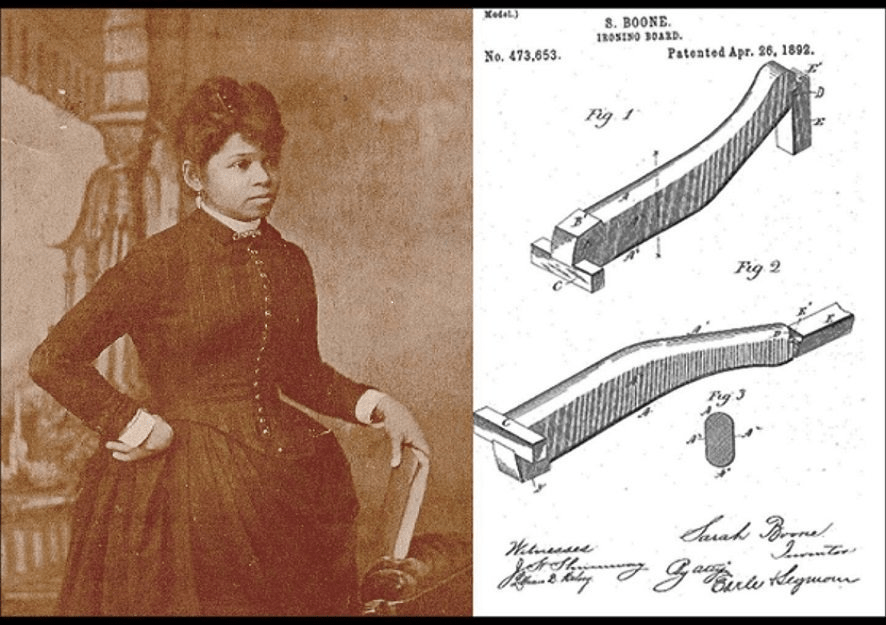
Dressmaker Sarah Boone made her name by inventing an improved ironing board that made it easier to press sleeves without introducing unwanted creases.

She acquired the patent rights on this day in 1892.

In her patent application, she wrote, as quoted by biography.com, that the purpose of her invention was “to produce a cheap, simple, convenient and highly effective device, particularly adapted to be used in ironing the sleeves and bodies of ladies’ garments.”

Sarah Boone’s invention — commons.wikimedia.org
Boone’s board was very narrow and curved, and this was the right size and fit of a sleeve common in ladies’ clothes during that period. It was reversible and hence made it easier to iron both sides of a sleeve. The African-American woman noted at the time that her board could also be produced flat rather than curved, which is ideal for the cut of the sleeves of men’s’ coats.

Before Boone’s ironing board, ironing was done with irons heated on the stove or fire, using a table that was covered with a thick cloth. Others simply made use of the kitchen table, or prop a board on two chairs.

Born in 1832 in Craven County, North Carolina, Sarah Boone married a brick mason, James Boone when she was 15. They had eight children. She lived in New Haven for the rest of her life before passing away in 1904. After receiving the patent rights for her invention in 1892, her ironing board made it easy for people to press sleeves.

This article by Ismail Akwei was first published on face2faceafrica.com