Eritrea to power 40,000 people and businesses with US$6.56m hybrid solar systems

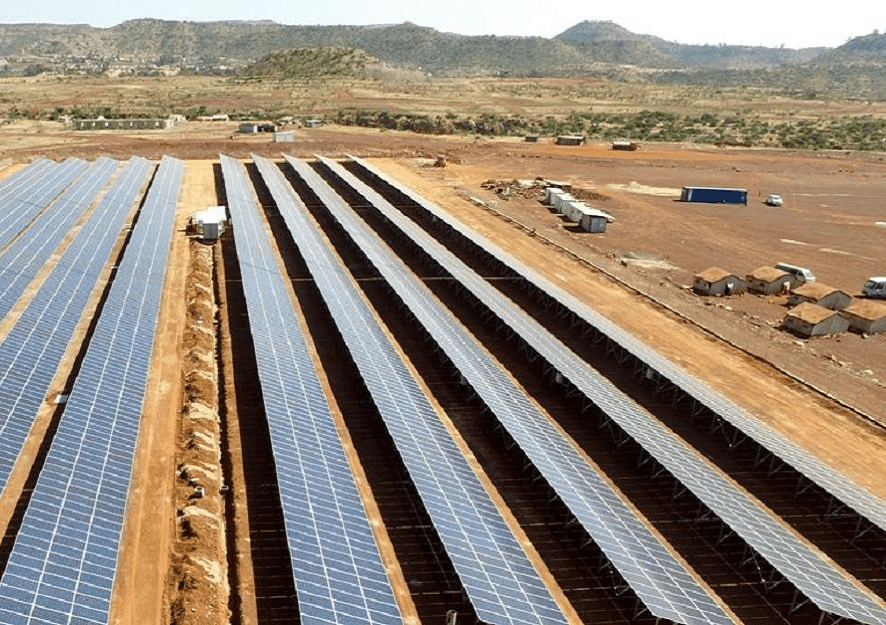
Described as a model for African rural electrification, Eritrea will soon launch two solar hybrid power systems that will provide grid quality electricity to 40,000 people and businesses in the towns of Areza and Maidma where there is no grid power at all.

The Government of #Eritrea will connect over 40,000 community members in #Areza and #Maidma to solar powered mini-grids. #SDG7 . Sites in Areza and Maidema almost complete. #SDG16 Partnership for the goals with @europeaid @UNDPEritrea pic.twitter.com/DjngqHhyqz

— UNDP Eritrea (@UNDPEritrea) August 6, 2018

The two agricultural towns in the Debub (Southern) region depend on small diesel generators which are environmentally damaging and provide limited and intermittent power supply.

“This project aims to improve the livelihoods of people living in rural towns and villages. It is hoped the project will be replicated in order to mitigate the adverse effects of climate change in Eritrea and provide access to reliable power 24/7,” says a representative of the Eritrean Ministry of Energy and Mines.

To save the environment and the standard of living of the people, the European Union, the United Nations Development Programme and the Government of Eritrea launched the project last year which will be completed in 2018 by the UK’s largest solar company, Solarcentury.

The US$6.56 million project is primarily financed by the EU through the ACP EU Energy Facility and the UNDP and Eritrea are contributing a little under €2 million (US$2.3 million) each.

The two mini-grid hybrid solar systems will be powered by solar PV and lithium-ion batteries.

“Photovoltaics are the cheapest form of power on the planet. Particularly in Eritrea, it’s blessed with an abundance of sunshine,” says Daniel Davies, Director of Hybrid Power Systems at Solarcentury.

He adds that the system will use Canadian solar panels and SMA inverters. Both projects were scheduled to be completed early in 2018 and will be managed by the Eritrean Ministry of Energy and Mines.

This article written by Ismail Akwei was first published on face2faceafrica.com

African Americans and Africans at each other’s throats over who was oppressed the most

Scene from the movie Get Out

The long-overdue African unity and the unity of people of African descent have been impeded by foolishness including greed and selfishness of leadership, ignorance, lack of education and poverty which is the real root of all evil.

At the individual level, people are engaging in divisive arguments over who has the best colonial language and recently, who was the most oppressed – Africans or African Americans.

The latter was a debate on Twitter after a user who goes by the handle @sacajareefa tweeted: “AFRICANS GOT TO CHILL WITH THE “N” WORD. YOU DONT GOT THAT PASS JUS CAUSE UR BROWN. WE DONT HAVE THE SAME HISTORY”.

This tweet that suggests Africans had a different oppression in the days of slavery opened a can of worms especially when the slaves transported to the Americas and Europe were Africans taken from their families and communities in Africa.

This is one of the arguments that take away focus from the urgent issue of demanding equal rights, justice and fairness, if possible, reparation for the damage caused to an entire race that is hurt and still being abused by the descendants and laws of white oppressors.

Isn’t it about time the viral issues are centred on rights of black people and the needed unity that will bring about a much stronger tie and a powerful voice?

Here are some reactions to the foolish tweet that is going viral and getting succinct responses.

This article written by Ismail Akwei was first published on face2faceafrica.com

Rwanda snubs U.S. after Trump suspends its duty-free benefits for clothes imports

Photo: Rwandan President Paul Kagame and U.S. President Donald Trump

Rwanda has snubbed the United States after President Donald Trump suspended the East African country’s duty-free benefits to export clothes to the U.S. following its decision to increase tariffs on used clothes imports and a subsequent ban by 2019.

Trump’s suspension of Rwanda which was confirmed on Monday will not affect other duty-free benefits under the African Growth and Opportunity Act (AGOA).

On Tuesday, The Rwandan government responded to the suspension saying that their garment companies are already being introduced to European buyers.

“We expect some Rwandan companies to be affected. We have a plan for them. We have engaged them and we will be helping with the transition to new markets,” Clare Akamanzi, CEO of the Rwanda Development Board, told reporters.

She added that the government is assisting the companies financially, reports Reuters.

The trade war started over two years ago when countries of the East African Community (EAC) including Rwanda, Tanzania, Kenya and Uganda decided to increase tariffs and then fully ban imported second-hand clothes and shoes by 2019, arguing that it would help member countries boost domestic clothes manufacturing.

The United States was petitioned by the Secondary Materials and Recycled Textiles Association (SMART) which complained that the ban “imposed significant hardship” on the U.S. used-clothing industry and violated AGOA rules.

As signatories to the AGOA trade programme which offers them duty-free access to the United States, their decision violated the programme’s conditions which includes the eliminating barriers to U.S. trade and investment, among others.

Kenya withdrew its decision to ban used clothes after threats by the United States to review trade benefits which Kenya was a major beneficiary. The other countries did not budge.

Uganda and Rwanda had already raised taxes for used clothes and offered incentives to manufacturers to invest in their local textile industry.

Rwandan President Paul Kagame had stated that his country will proceed with the ban on used clothes and will choose to grow its local textile industry at the expense of being a member of the AGOA.

This was met with ultimatums by the acting head of economic and regional affairs at the Africa Bureau of the US State Department, Harry Sullivan. Later, Tanzania and Uganda succumbed to the threats leaving Rwanda which was defiant.

In March, U.S. President Donald Trump notified Congress of the suspension of duty-free treatment for all AGOA-eligible apparel products from Rwanda in 60 days.

This has been effected and the U.S. says it regrets the outcome and calls on Rwanda to reduce the tariffs and cancel plans to ban used clothes imports from the United States.

“We regret this outcome and hope it is temporary,” says the Deputy U.S. Trade Representative C.J. Mahoney in a statement.

U.S. imports from Rwanda, Tanzania, and Uganda totalled $43 million in 2016, up from $33 million in 2015 while exports were $281 million in 2016, up from $257 million in 2015.

Rwanda will lose about $1.5 million in exports to the U.S. or about three percent of its total exports to the United States, Mahoney warns.

This article written by Ismail Akwei was first published on face2faceafrica.com

Kigali to host Andela’s new technology hub for African software developers

Andela hub

Rwanda’s capital Kigali will soon host Africa’s biggest talents in software development at the new Pan-African technology hub which will be launched by American technology training company Andela in December 2018.

Andela is partnering with the Rwanda Development Board to build a pan-African workforce and support the development of African talent who will be the continent’s future technology leaders.

According to a statement, Kigali was chosen due to its “strong existing infrastructure and ease of access for developers across the continent”. The co-founder and CEO of Andela, Jeremy Johnson said they partnered with the Rwandan government because they share in the same mission.

Andela VP, Global Operations, Seni Sulyman said Kigali is fast becoming one of East Africa’s key tech hubs as the first fully 4G African city continues to push towards ICT excellence.

“Connecting talent with opportunity on a global scale is Andela’s ethos, and with the opening of our Kigali hub, we expect to extend opportunities to thousands more software engineers from across the continent who will make their mark on the global tech scene via Kigali,” Sulyman adds.

Andela launched its operations in Nigeria in 2014 and has over 700 employees based in Lagos, Nairobi and Kampala. They collectively help power the technology teams of more than 150 global companies, including Viacom, Pluralsight and GitHub.

Mainly funded by the Chan Zuckerberg Initiative, Andela was founded in the United States to train software developers in Africa and offer employment opportunities for young, talented Africans.

Applications will open in August for the software development training and the Andela Learning Community (ALC) which provides free resources and mentorship to aspiring technologists in Rwanda and Tanzania.

This article written by Ismail Akwei was first published on face2faceafrica.com

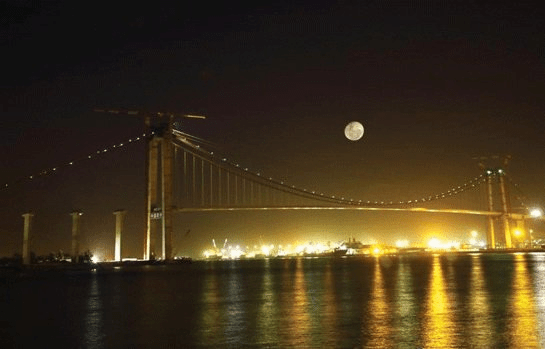
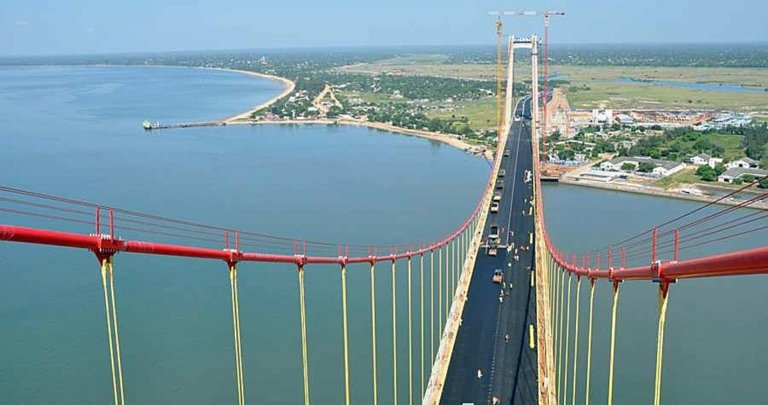
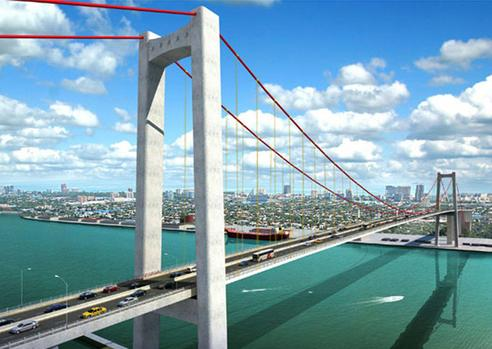
Mozambique opens Africa’s longest suspension bridge and it’s beautiful [Photos]

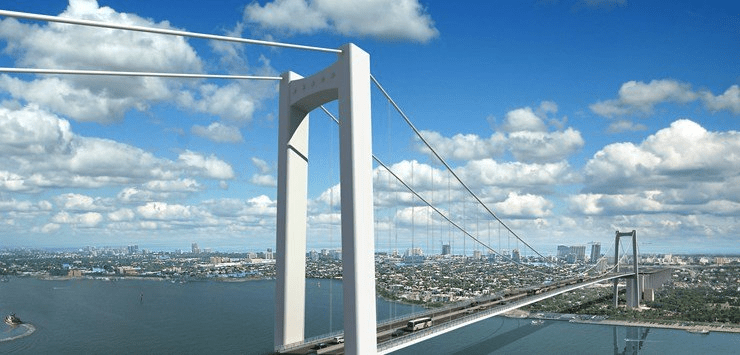
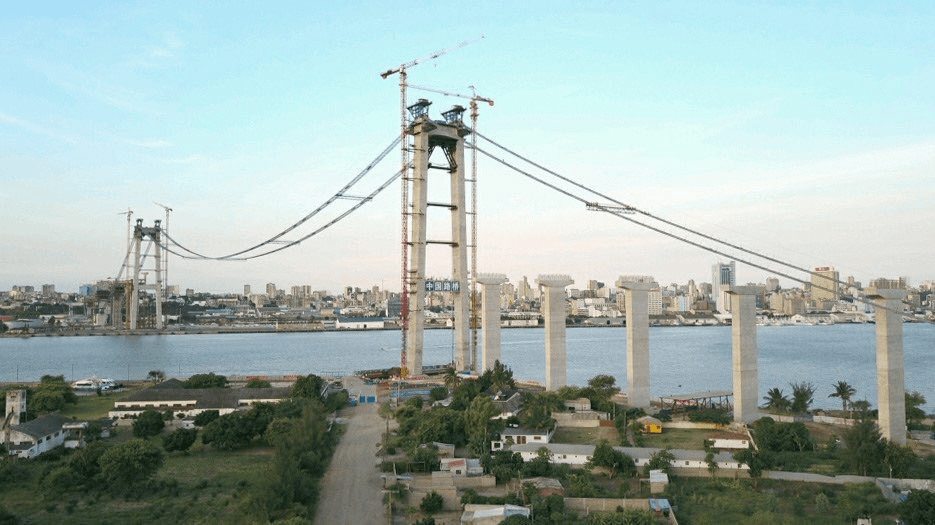
Maputo-Catembe Suspension Bridge in Mozambique

Mozambique has finally gone into the history books as having the longest suspension bridge in Africa which was launched on the Portuguese-speaking country’s independence day on June 25.

Officially named the Maputo-Catembe Bridge, the US$750 million suspension bridge was a joint construction and management project between the Mozambican and Chinese governments and funded by the Export-Import Bank of China.

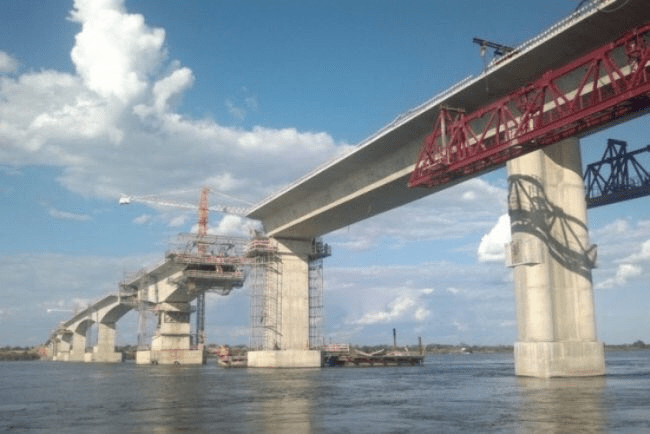
It is part of a larger project that includes the building of a set of access roads and rehabilitation of five existing bridges by the China Roads and Bridges Corporation (CRBC). One of the roads will link Catembe to Ponta do Ouro, a popular holiday destination near the South African border.

Designed by the German consultancy firm Gauff Engineering, the construction of the 3km bridge started in 2014. It links the capital city Maputo to the neighbouring town of Catembe divided by an inlet of the Indian Ocean called the Maputo Bay.

The nine-hour drive around the bay to access Catembe has now reduced to four hours by using the bridge. It has also cut the long hours spent aboard aged ferries by the majority of locals. It will also aid in bringing development to Catembe.

The bridge has two 137m concrete towers, each one to be built on 24, up to 100m deep concrete pile foundations with a diameter of 2.2m. It is 60m above the Maputo Bay to ensure that ships can pass underneath it on their way in and out of the International Port of Maputo.

The Maputo-Catembe Bridge is now among the 60 largest suspended bridges in the world.

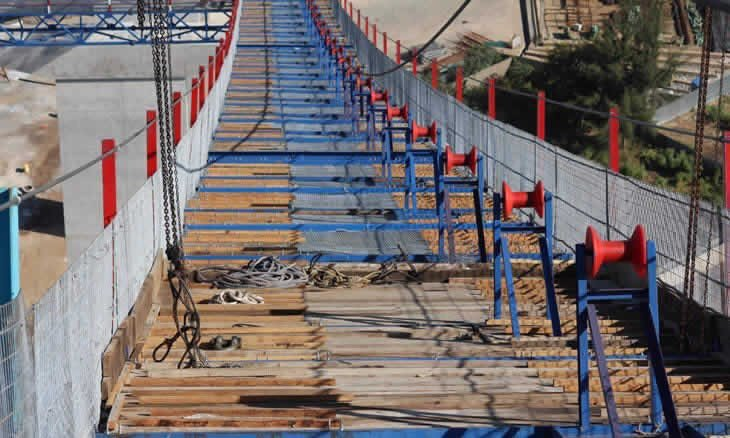
Scroll through for more photos of the bridge from the construction phase to its completion.

This article written by Ismail Akwei was first published on face2faceafrica.com