How the Obamas are flying fast into the billion dollar circle

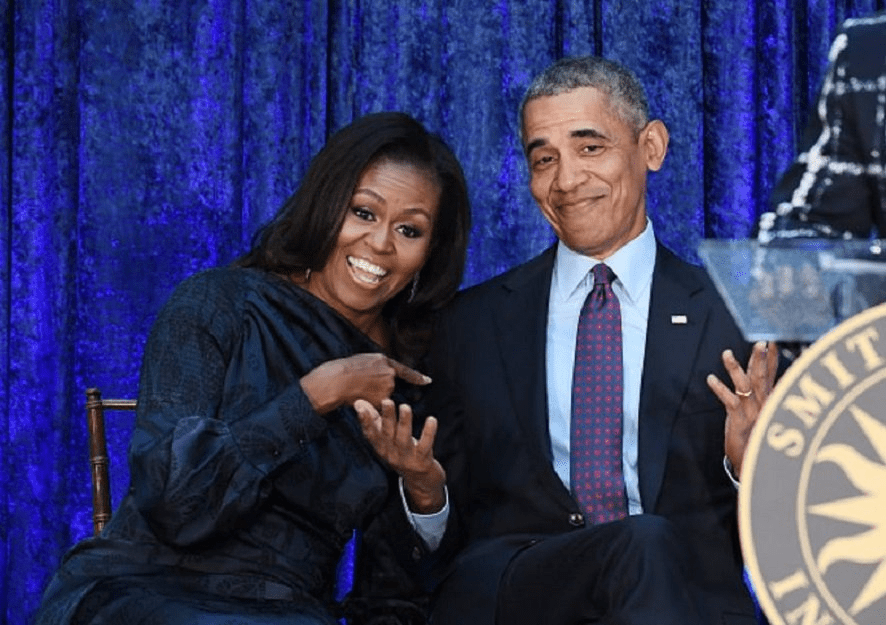
Michelle and Barack Obama — Photo: Bloomberg

The former U.S. President and First Lady, Barack and Michelle Obama entered the White House with a $1.3 million net worth in 2008 and have since grown to an estimated $40 million.

According to Forbes, Barack Obama made $20 million from his salary alone since he joined the US Senate in 2005 to the end of his presidency. He earned $400,000 a year during his eight years as president, and an annual pension of $207,800 as a former president.

It gets better with Michelle on his side as they made $20.5 million together in salaries and book royalties between 2005 and 2016 as authors, Forbes added. The books include “The Audacity of Hope“, “Of Thee I Sing: A Letter to My Daughters” and “Dreams From My Father“.

Last year, the power couple signed book deals worth at least $60 million and a production deal with Netflix worth tens of millions of dollars. They also rake in a significant amount of money from public speaking events with Obama being paid as much as $400,000 per speech.

The New York Post reports that Obama made at least $1.2 million for three talks to Wall Street firms in 2017 while Michelle Obama earns an estimated $225,000 per corporate and non-profit speaker appearance.

Currently, Michelle Obama is promoting her latest book, Becoming, which is a big hit globally as it’s been launched in the U.S., Australia, Ireland, South Africa, the UK, India and New Zealand. The publisher, Penguin Random House, says it will be published in 25 languages around the world.

Michelle invited the world to the personal lives of the Obamas in the book as she expresses her difficulties in marriage, fertility and early relationship with the man who later became the president of the most powerful nation in the world.

The Obamas are making a fortune after the presidency and have invested wisely in their children and the future. They invested in real estate by purchasing their original home in Chicago before the presidency (at $1.65 million in 2005) and an 8,200-square-foot mansion in Washington, DC, for $8.1 million which they previously rented.
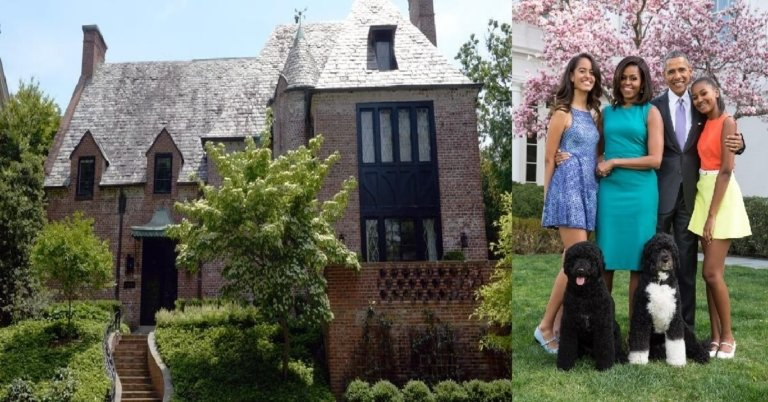
Obamas home in Washington DC — Photo: The Western Journal

According to Forbes, the Obamas are generous givers and from 2009 to 2015, they gave $1.1 million to charity. In a few months, the Obamas can hit the billion-dollar mark and join the circle of wealthy billionaires like Oprah Winfrey.

This article by Ismail Akwei was first published on face2faceafrica.com

Rwanda starts construction of Africa’s very own Silicon Valley in Kigali

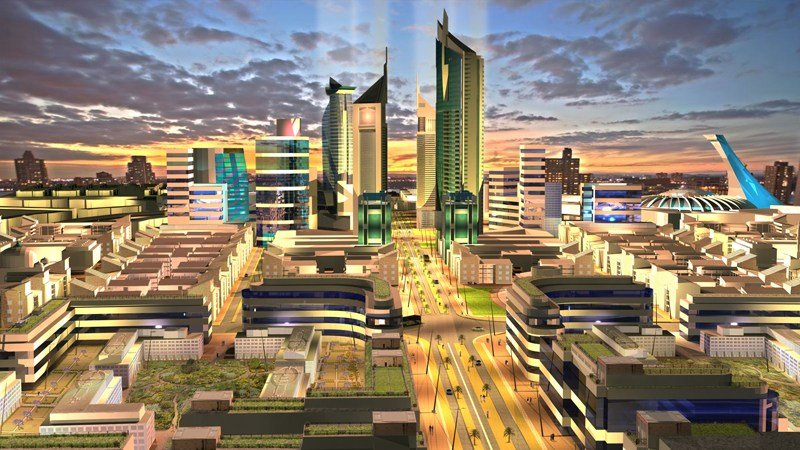
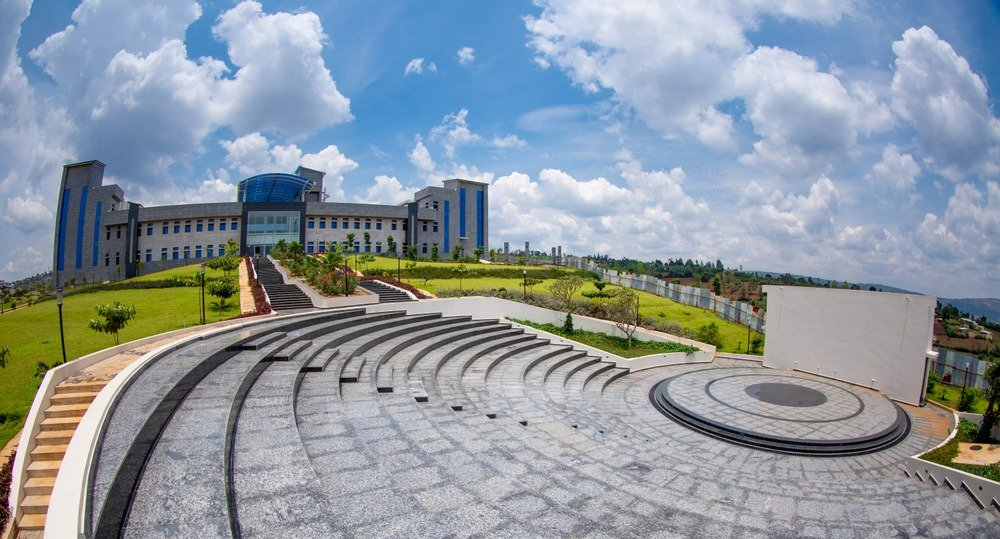
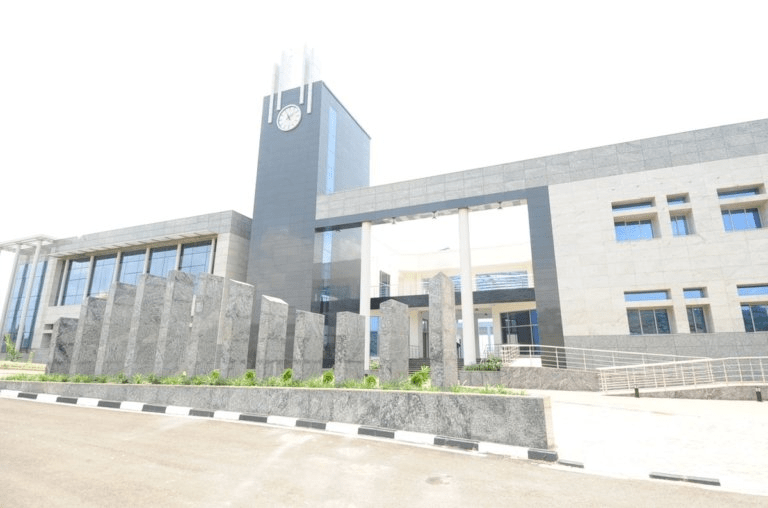
Kigali Innovation City (KIC) under construction in Rwanda

Rwanda has proven to be one of the world’s fastest-growing economies as it leads the African continent in technological advancement and infrastructural development.

The East African nation recently launched Africa’s first electronic cross-border trade platform with the help of Alibaba Group’s Electronic World Trade Platform (eWTP) to engage small businesses across the continent.

Rwanda has proven to be one of the world’s fastest-growing economies as it leads the African continent in technological advancement and infrastructural development.

The East African nation recently launched Africa’s first electronic cross-border trade platform with the help of Alibaba Group’s Electronic World Trade Platform (eWTP) to engage small businesses across the continent.

The icing on the cake is the construction of the Kigali Innovation City, which is poised to have a Pan-African human and economic development impact to step up Africa’s transformation agenda.

The Kigali Innovation City (KIC), a Private Public Partnership between the Government of Rwanda and Africa50, an infrastructure investment platform that was founded by the African Development Bank (AfDB) and African states, will serve as the continent’s Silicon Valley.

Located in Kigali’s Special Economic Zone, the project is valued at about $2 billion and will host world-class universities, technology companies, biotech firms, and commercial and retail real estate on 70 hectares of land.

Africa50 will invest $400 million into the project to “help boost the innovation ecosystem in one of Africa’s top knowledge cities,” the AfDB pledged during the recent Africa Investment Forum held in Johannesburg, South Africa.

The Rwandan government said Africa50 will focus on the real estate portion of the project which includes building retail and commercial complexes estimated to cost $315 million. They will also work on the Digital Innovation Precinct which will house all the technology companies in KIC and residential facilities for the employees working for companies within the ecosystem.

“This is an innovative effort, the first of its kind on the continent. It will have Pan-African development impact both in terms of economic and human capital. For instance, Kigali Innovation City is expected to create over 50,000 jobs annually. Our aim is to build a critical mass of talent, research and innovative ideas that will transform Africa,” says Rwandan Prime Minister Edouard Ngirente at the Africa Investment Forum.

“Kigali Innovation City forms part of the Government of Rwanda’s Vision 2020 development program and National Strategy for Transformation 2017-2024. It is one of the projects that aims at establishing Rwanda as a globally competitive knowledge-based economy,” he added.

This is not the first time an African country is attempting to build a Silicon Valley in the continent. In 2013, on the eve of Ghana’s independence day, Ghanaian developers led by the CEO of local tech company RLG Communications, Roland Agambire, announced plans to build a $10 billion tech hub in Prampram on the outskirts of the capital, Accra.

There was a grand ceremony led by the president, John Dramani Mahama, and a star-studded launch party at the national stadium that featured a performance by American R&B star Chris Brown. The project never saw the light of day after the pomp and Ghana’s ambitions were embroiled in scandals and corruption allegations.

In Kenya, the dream of building the Konza Techno City, an IT-focused “smart” metropolis was envisioned and approved by the government in 2008, but it never materialized.

The plan was to transform a 5,000-acre stretch of grassland in the outskirts of the capital, Nairobi, into a “Silicon Savannah,” a city of 200,000 with world-class facilities for higher education, life sciences, business process outsourcing, and telecommunications. Its construction faced several delays leaving the project in limbo after funding and legislation scandals.

Rwanda will indeed be a beacon of technological advancement in Africa if it completes the Kigali Innovation City as planned.

This article by Ismail Akwei was first published on face2faceafrica.com

How World War I ended in Zambia and not in France as widely believed

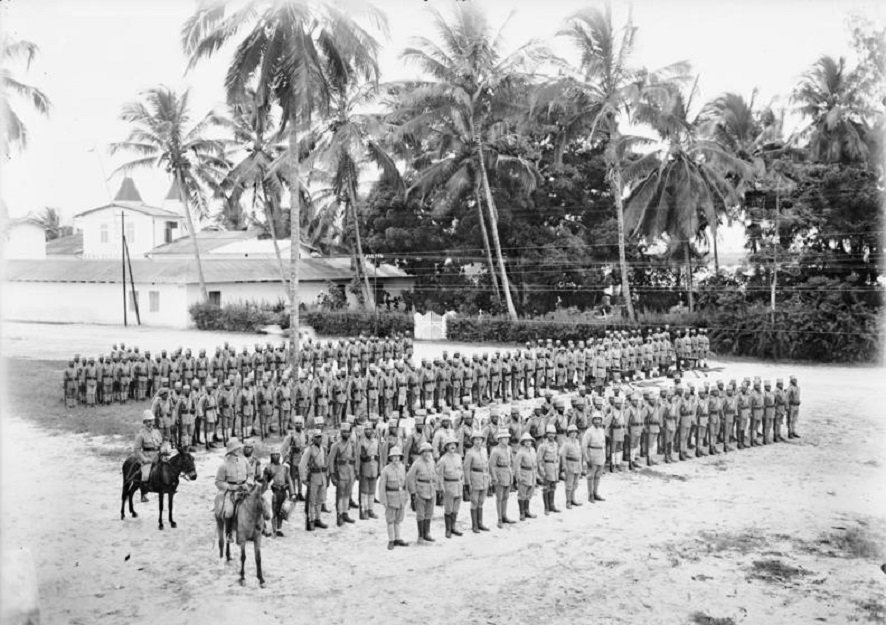
African forces in WWI

It is a popular misconception that World War I ended in France which was the main stage of the four-year battle between the Allies and the Central Powers. On 11th November 1918, an Armistice was signed in a railway carriage at Rethondes near Compiègne in France and the war was believed to have ended.

However, while the Allies (Britain, France, Russia, Italy and the United States) were celebrating together with the Central Powers (Germany, Austria-Hungary, Ottoman Empire and Bulgaria), the war was still ongoing in Northern Rhodesia, now Zambia.

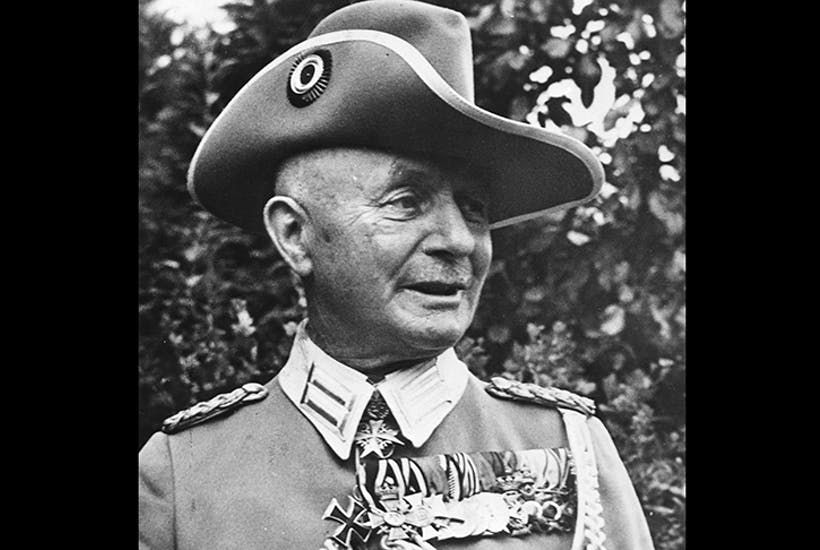
It is documented that after the Armistice was signed, General Paul Emil von Lettow-Vorbeck, a Prussian Army Commander in the German East Africa campaign did not get word of the end of the war.

Nicknamed the Lion of Africa (German: Löwe von Afrika), Lettow-Vorbeck continued his raids in East Africa with 3,000 German and 11,000 African forces. His forces entered the British colony of Northern Rhodesia (now Zambia) from German East Africa – which included present-day Burundi, Rwanda, and the mainland part of Tanzania – and captured the town of Kasama.

The General learned about the Armistice on November 14 in Kasama via telegraph. The three days’ delay is believed to have been caused by celebrations in Kabwe, a southern town in then-Northern Rhodesia.

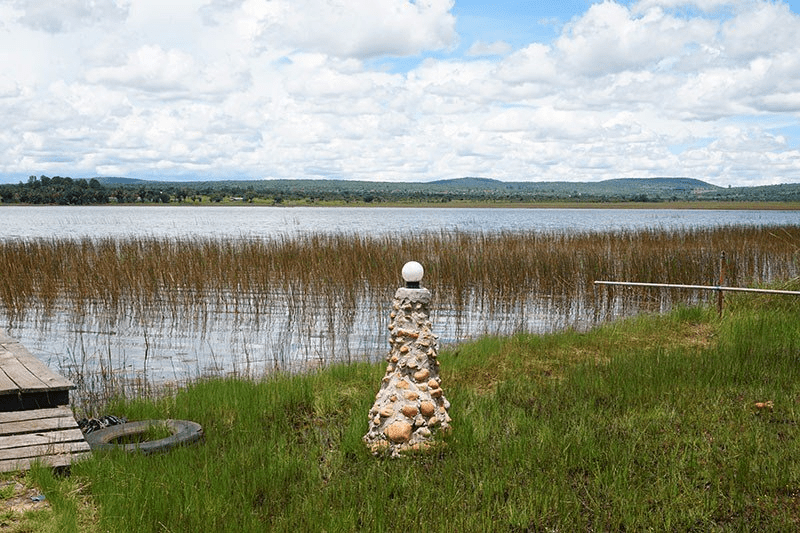
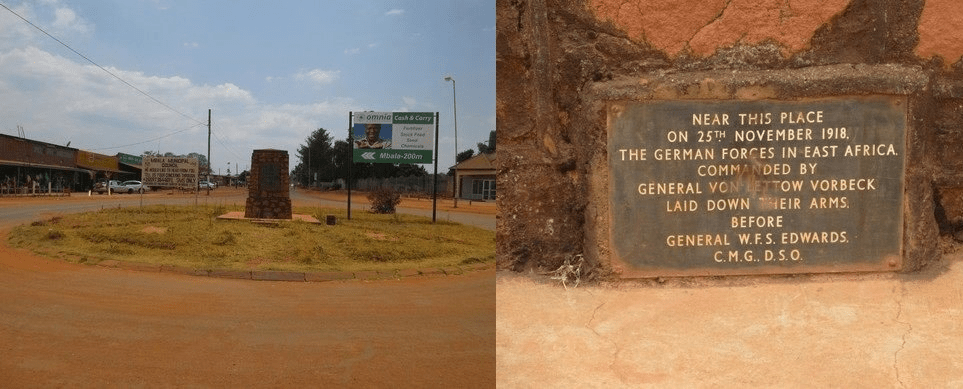
The British command ordered them to march to Abercorn, now Mbala in northeast Zambia near the border of German East Africa. On November 25, 1918, they reached Abercorn and formally surrendered by throwing their weapons into the Lake Chila before returning to German East Africa. This marked the final end of the war.

Lake Chila

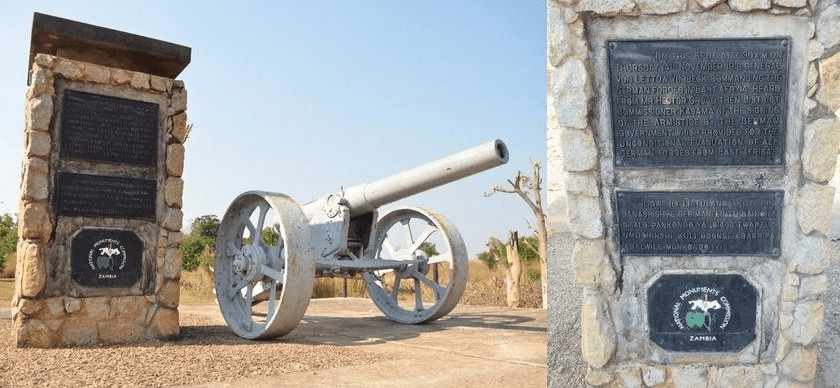
The events in Zambia have never been commemorated despite their monumental representation including the Chambeshi Monument in Kasama, Mbala Surrender Monument in the middle of a roundabout on President’s Way and the nearby Motomoto Museum which holds some of the weaponry recovered from the Lake Chila.

Chambeshi Monument

The Zambian government is preparing to mark the 100 years of the end of First World War from November 20-25, 2018, under the theme “Unlocking the tourism and investment potential of Northern Province 100 years after the end of the 1st World War”.

In attendance will be the Duke of York, Prince Andrew, representing Britain; a grandson of General Paul Emil von Lettow-Vorbeck and other dignitaries from around the world, according to the government programme.

The packed event will start with the reenactment of the receipt of a telegraph notice of the end of the First World War by then Kasama District Commissioner Hector Croad on November 14, 2018, at the Chambeshi Bridge and then all the activities leading to the surrender of the Germans in Mbala.

Mbala Surrender Monument

It will end with a wreath-laying ceremony at the World War Memorial Cenotaph in Mbala. The Zambian Army’s Special Forces will also dive into the Lake Chila to retrieve the weapons thrown into the lake by the Germans when they surrendered 100 years ago.

Nearly two million Africans were recruited by European superpowers fighting for more power and territory in the war. Though largely forced into the war, it is disappointing that most of the efforts of African soldiers have not received much recognition globally.

This article written by Ismail Akwei was first published on face2faceafrica.com
This is what a Nigerian traditional ruler told Prince Charles about stolen artefacts by Britain

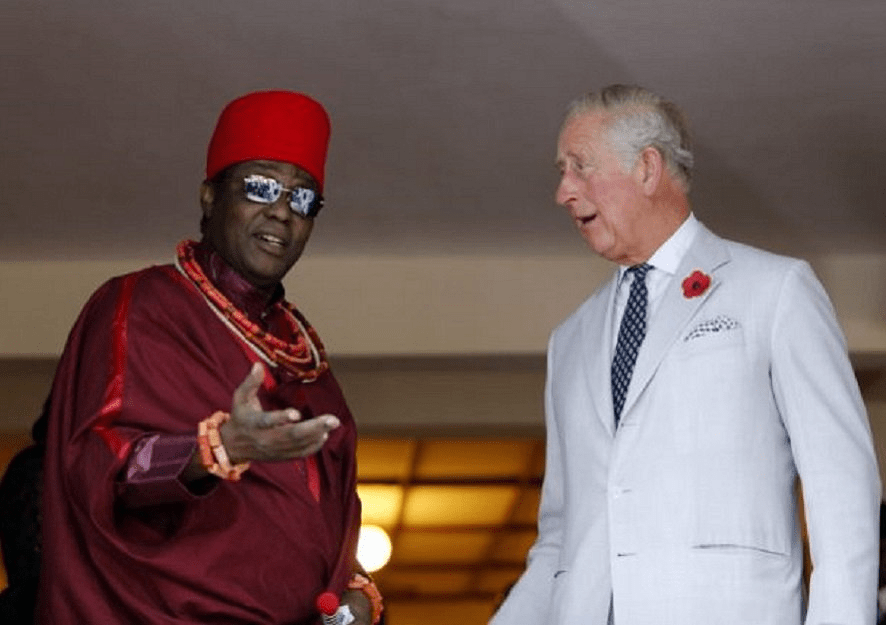
Prince Charles (R) stands with the Oba of Benin, Eheneden Erediauwa

The colonisation of Africa by European nations did not only rid Africa of its people and dignity but also traditional and cultural symbols and artefacts which have been kept in European museums like trophies.

Calls have been made by African empires whose artefacts were stolen to be returned. Chief among them was the Benin Empire of Nigeria which was the mecca of bronze sculptors and artefacts.

In 1897, British troops raided the capital of the Empire, killed thousands of people, looted their treasures including hundreds of bronze artefacts in the king’s possession after he fled his palace.

The attack by the British was a way to punish the natives for the death of an admiral and his team. Among the items stolen from the Royal Palace and residences of statesmen were sculptures, beads, figurines etc.

The treasures ended up in Britain and some were moved to museums in America and other European countries.

The stolen artefacts have never been returned until in 2014 when two of the Benin bronzes were returned by a British citizen, Dr Mark Walker, who stoked the interest of the rulers and other African traditional kingdoms to call for the return of their heritage displayed in British museums.

For the first time, this demand has been made to the face of a British royal, Prince Charles, who is visiting West Africa as the new head of the Commonwealth.

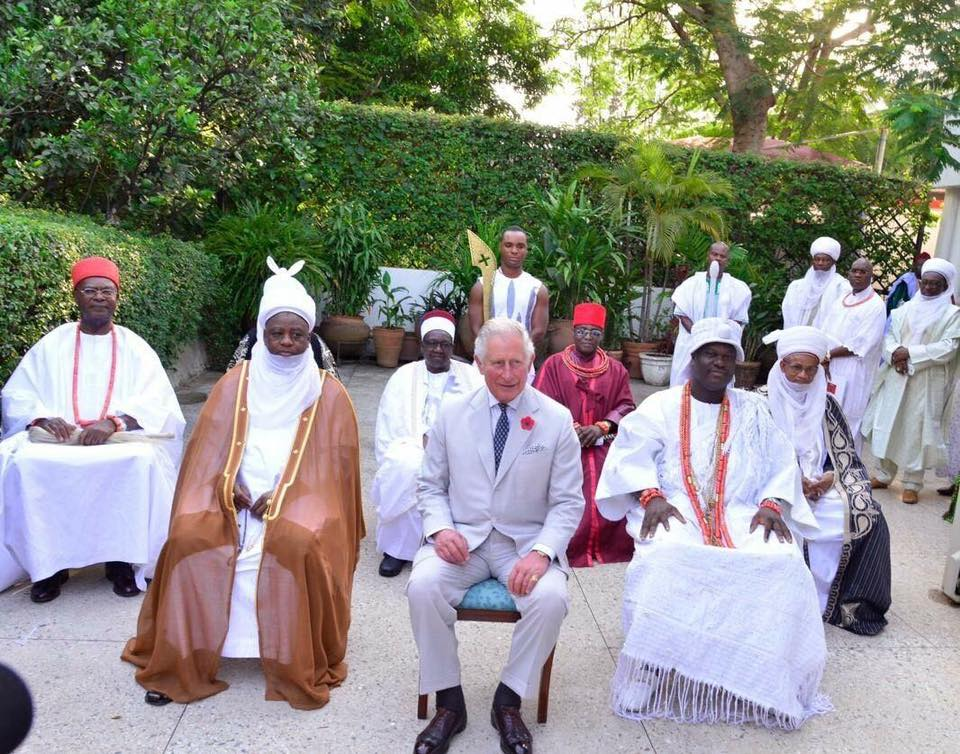
Prince Charles posing with Nigerian monarchs at the British High Commissioner’s residence in Abuja

The Oba of Benin, Ewuare II, asked the Prince of Wales to aid in the return of the stolen artefacts from Britain so as to stock the empire’s planned museum.

The craftily worded demand reads:

Suffice to say that Nigerians in general and Benin people in particular will be most delighted to have your royal highness throw his royal weight behind our efforts to have some of our ancient artefacts that were taken in 1897 from the Royal Court of Benin returned to Benin to establish Oba Palace Museum for the promotion of tourism in Benin City, Edo State.

The governor of Edo State, Godwin Obaseki, has earlier confirmed the plans with the Benin monarch to build a world-class royal museum in the palace.

So far, only France has made commitments to return stolen artefacts to African kingdoms after French President, Emmanuel Macron, announced earlier this year that a commision has been set up to look into the issue of returning looted African artefacts to their rightful African countries.

“African heritage must be highlighted in Paris, but also in Dakar, in Lagos, in Cotonou. In the next five years, I want the conditions to be met for the temporary or permanent restitution of African heritage to Africa,” he said during a joint press conference with the President of Benin, Patrice Talon, in Paris.

The commission, made up of Senegalese writer and economist, Felwine Sarr and French art historian Benedict Savoy, identified about 5,142 objects that originally belonged to Senegal and kept in the Quai Brany-Jacques Chirac Museum for indigenous art from Africa, Asia and the Americas in France.

They will publish their findings in November this year.

This article written by Ismail Akwei was first published on face2faceafrica.com
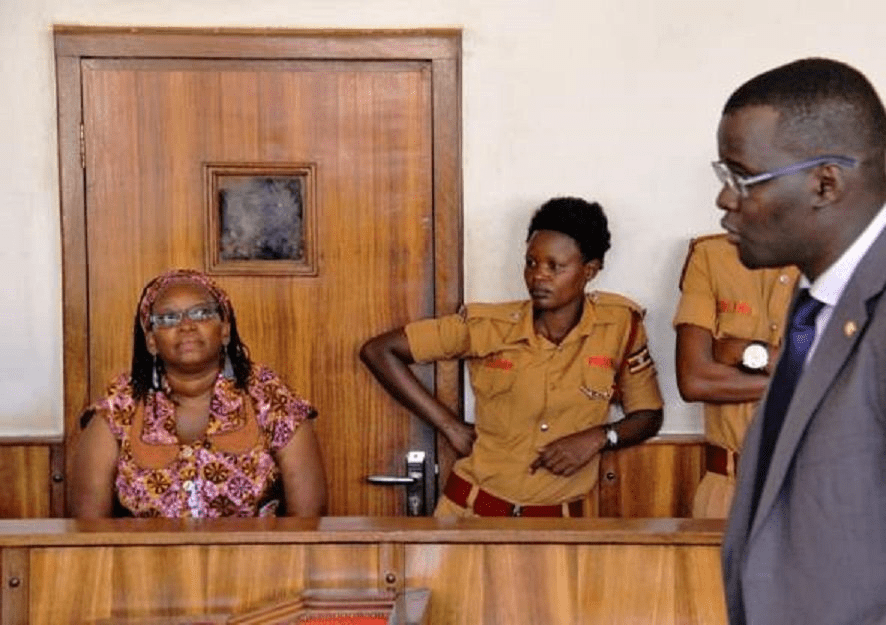
Ugandan activist remanded in prison for insulting Museveni’s mother on Facebook

Stella Nyanzi

After 5 days in police detention, Ugandan feminist activist, academic and Museveni critic, Stella Nyanzi, was denied bail by a Kampala court on Wednesday for allegedly insulting Esteri Kokundeka, the late mother of President Yoweri Museveni, on Facebook.

The Buganda road court charged the fierce government critic with harassing the president and she was remanded to Luzira Prison until November 9 when she will return to take a plea, reports local media Daily Monitor.

Police CID spokesperson, Superintendent of Police Vincent Ssekatte told local media that she insulted the president’s mother on September 16 and she’s facing offensive communication and cyber harassment charges.

Nyanzi was arrested on November 2 at the Makerere University during a march to the Institute of Social Research (MISR) where she worked as a research fellow before her suspension last year.  The recent march was in protest against the institute’s failure to reinstate her and pay all her salary arrears as ordered by a tribunal last month which was set up to investigate her suspension.

During the time of her suspension last year, the mother of three staged a nude protest outside her locked-up office and posted the video and images on Facebook.

Stella Nyanzi is not new to arrests as in April 2017, she was picked up for using abusive words against the president and first lady. She called President Museveni “a pair of buttocks” and insulted the First Lady Janet Museveni who she described as incompetent in her role as minister of education.

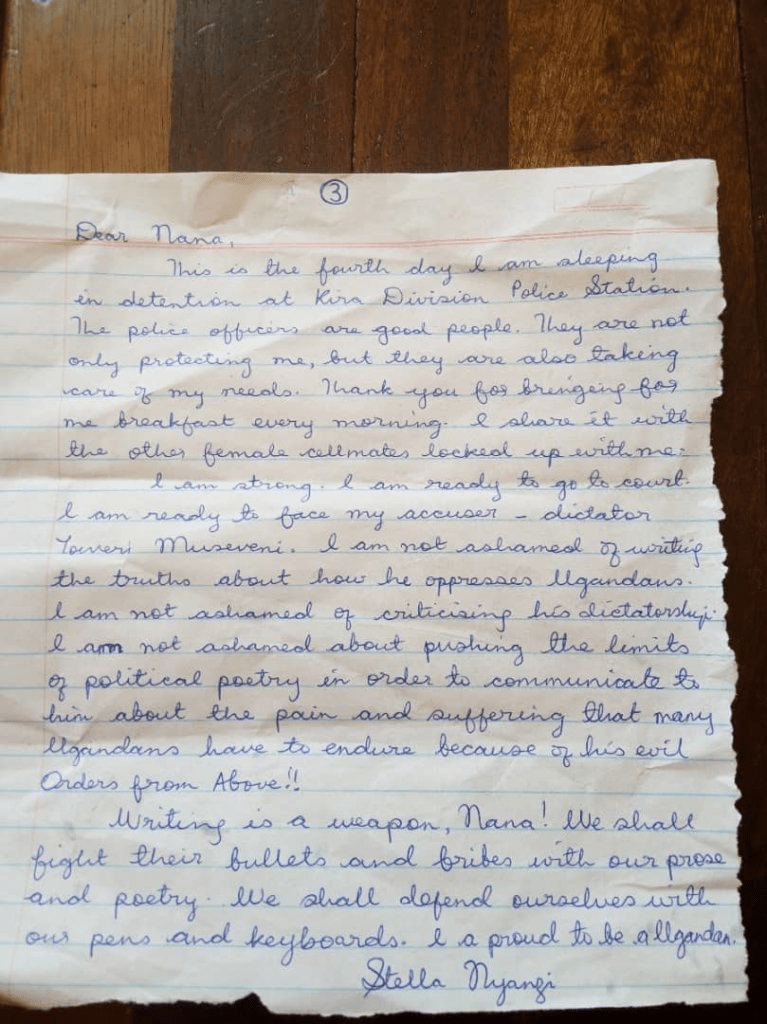
In a letter she wrote to a friend from detention which is making the rounds on social media, Nyanzi said: “Writing is a weapon … We shall fight their bullets and bribes with our prose and poetry. We shall defend ourselves with our pens and keyboards.”

If found guilty, she will face punishment set by the Section 25 of the Computer Misuse Act 2011 on offensive communication which states that, “Any person who willfully and repeatedly uses electronic communication to disturb or attempts to disturb the peace, quiet or right of privacy of any person with no purpose of legitimate communication whether or not a conversation ensues commits a misdemeanour and is liable on conviction to a fine not exceeding twenty-four currency points or imprisonment not exceeding one year or both.”

This article written by Ismail Akwei was first published on face2faceafrica