AU’s plan of building a real Wakanda for the African diaspora gets a jumpstart

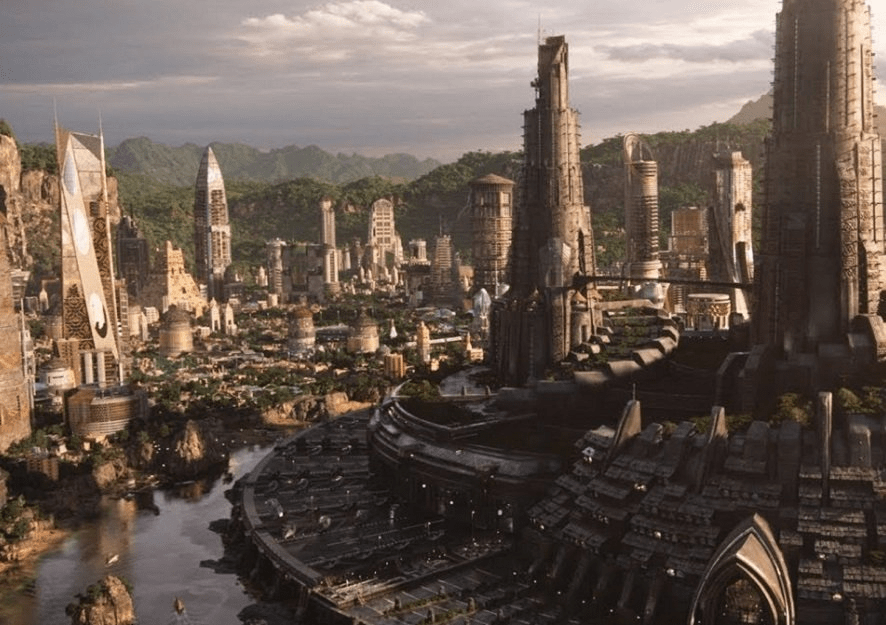
Fictional nation of Wakanda in the Marvel’s movie Black Panther

It might have been a wish in the early months of 2018 when the highest-grossing superhero film of all time “Black Panther” depicted a rich and technologically advanced African nation of Wakanda that was the envy of the rest of the world.

It is nearly a wish come true as the African Union is close to starting the construction of a real Wakanda which will be built, run and operated across the continent by the African diaspora.

Dubbed the Wakanda One Village Project, it will consist of five African Centres of Excellence in each of the five regions of the continent which will serve as nerve centers for development bearing state-of-the-art healthcare facilities, hotels, industrial homes, shopping centres among others.

This was announced by the African Union Ambassador to the United States of America, Dr. Arikana Chihombori-Quao, in March 2018 when she launched the African Diaspora Global Bank which is expected to raise $5 billion that will fund the project.

The African Union Ambassador to the United States of America Dr. Arikana Chihombori-Quao

Zimbabwe and Zambia have offered 2,000 and 132 hectares of land respectively around the Victoria Falls area which borders the two countries. Zambia made its offer in March and Zimbabwe’s offer was confirmed by Ambassador Chihombori-Quao at the recently held Intra African Trade Fair in Cairo, Egypt.

“I met His Excellency President Mnangagwa recently and he offered us 2000 hectares for the regional Wakanda One Village in Victoria Falls. The offer comes after the Zambian Government has also offered some land across the river in Livingstone. We are looking at building the village transcending the borders of the two countries,” she told Zimbabwean journalist Sydney Kawadza in an interview.

The Wakanda One Village in Zimbabwe and Zambia will serve as the first of the project in the Southern African region and will comprise a 100-bed teaching hospital, a university and technical college, primary and secondary schools, day-care centres, three five-star hotels, game lodge, pharmaceutical manufacturing plant, agricultural farms and parks.

The infrastructure will also include a shopping centre, commercial office buildings, renewable power plants, a monorail around the complex and roads ready to support self-driving electric cars, reports Sydney Kawadza.

The project targets Africans in the diaspora who want to help build the continent to the level they want it to be, Ambassador Chihombori-Quao said earlier this year.

“You know, when you talk about a ‘good Africa’ or returning home, many people say ‘Well, [Africa] is not what I’m used to,’ and to that I always tell them, ‘Then build the home you want,” she said at the launch of the African Diaspora Global Bank.

“We don’t even realize we are on autopilot waiting for the White man to build this ‘civilization’ for us. So we are taking our destiny into our own hands and creating something built for and by the people of the African diaspora,” she added.

The African Union said it will first sensitize the Diaspora before forming an investment board from all the regions of Africa headquartered in Washington DC to manage the fund and decide on the value of shares and conversion factors.

“The establishment of an Investment Board should lead to the opening up of the African Diaspora Savings and Investment Accounts in the four banks. We will also encourage African Diaspora to open individual accounts with a minimum deposit of US$10 a month while the board will decide on the transition to a credit union,” Sydney Kawadza quotes Dr Chihombori-Quao.

“We are looking at raising at least US$2 billion in the next two years with the first groundbreaking set for the end of the year 2020 … We are going to build the Africa that we want so those Diasporans who say I cannot go home because home is not what I am used to will make it what they want,” she added.

Dr. Arikana Chihombori-Quao also revealed that Kenya and Tanzania have also pledged land for East Africa’s Wakanda One Village project.

This article by Ismail Akwei was first published on face2faceafrica.com
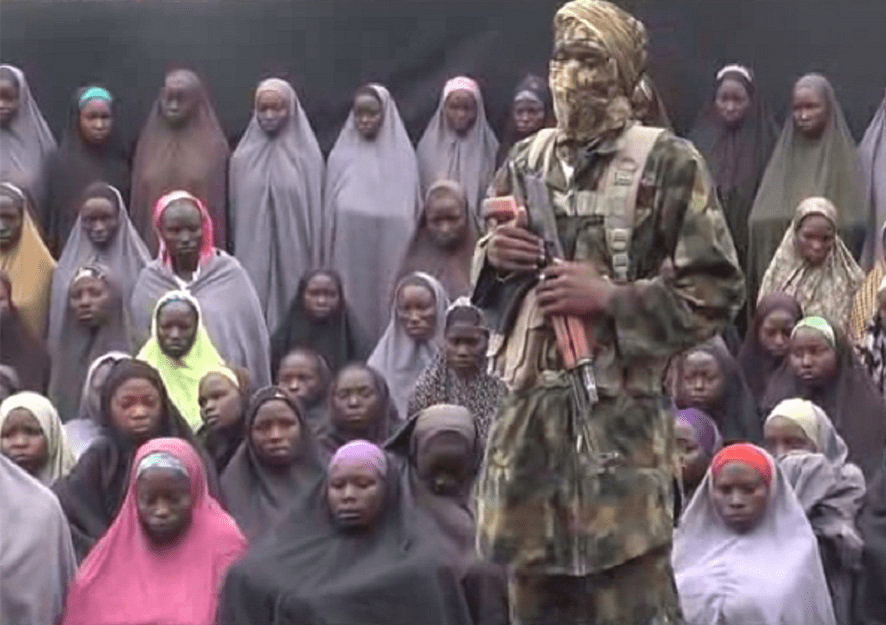
5 Christmases with terrorists, the plight of 112 Nigerian schoolgirls held by Boko Haram

Thanks to one of the world’s deadliest terrorist group in Nigeria, 112 girls are far from celebrating the Christmas holidays for the fifth time since their capture in April 2014 by Boko Haram.

Boko Haram has killed about 20,000 people and forced more than 2 million people to flee their homes since 2009 in an insurgency aimed at creating a state adhering to strict Islamic laws in the northeast of Africa’s most populous nation.

It’s been 1,716 days since the abduction of the Chibok girls, a name the schoolgirls were popularly called after over 270 of them were initially kidnapped from the dormitories of the Chibok Girls’ Secondary School in the northern town of Chibok.

Over 50 girls managed to escape at the time, leaving 219; and in May 2016, another girl escaped. Later in October that year, 21 girls and a baby were released after negotiations facilitated by the International Red Cross and the Swiss government.

A girl was also found by Nigerian troops on January 5, 2017, with a baby and confirmed to be one of the missing Chibok schoolgirls. Another girl was also rescued in the Sambisa forest where the group is based. Later in May that year, 82 of the girls were released leaving 112 girls in the hands of the terrorist group led by Abubakar Shekau.

“You’re only coming to school for prostitution. Boko [Western education] is haram [forbidden] so what are you doing in school?” This was a question posed by a member of the Islamist group Boko Haram to one of the Chibok girls who was one of the lucky few who escaped the harrowing experiences.

Some of the girls who were released described their time with the terrorist group as horrific and narrated how the Christian captives were forced to convert to Islam. The group has also threatened to give some of the girls out for marriage in Cameroon and Niger.

A global outcry for their release under the #BringBackOurGirls campaign did not provide results after nearly five years except another kidnapping of another 110 girls from the Government Girls Science and Technical College in Dapchi, Yobe state, in February 2018.

104 of the schoolgirls were released, five were reportedly killed and a girl named Leah Sharibu is still in captivity for refusing to denounce her Christian faith. Leah Sharibu and the five unaccounted girls, if they are still alive, would have spent 309 days in Boko Haram captivity.

While the world has toned down on the advocacy to have the girls released, Nigerian soldiers are still at war with the insurgent group and dozens die every day to end the terrorist group’s mission.

The country is also busy preparing for its general election in February 2019 and the plight of the schoolgirls is still in the hands of negotiators who have helped secure the release of over a hundred girls.

“112 Chibok girls are still in captivity. They were determined to get back the Dapchi girls and they got them back. We need the same magic for our remaining 112 Chibok girls. No longer should citizens allow government to get away with their acts of not being accountable,” Florence Ozor, the leader of #BringBackOurGirls, said in March when the Dapchi girls were released.

Nigerian president Muhammadu Buhari has maintained that the government is still negotiating their release and they will do everything to get them home to their parents.

Meanwhile, the days are running and it is no parent’s wish to have their children spend 5 years in the hands of terrorists.

This article by Ismail Akwei was first published on face2faceafrica.com
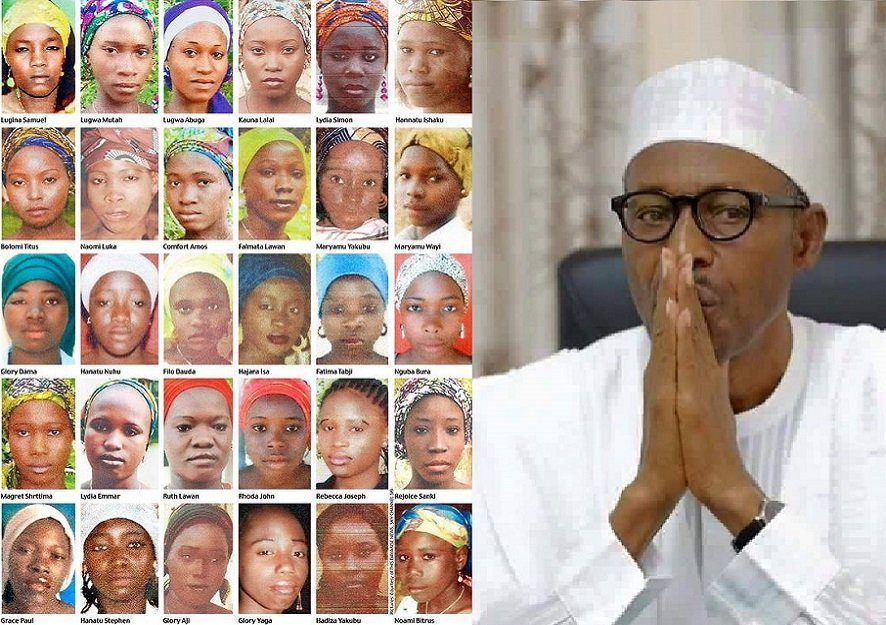
These popular Christmas traditions are deeply rooted in African culture

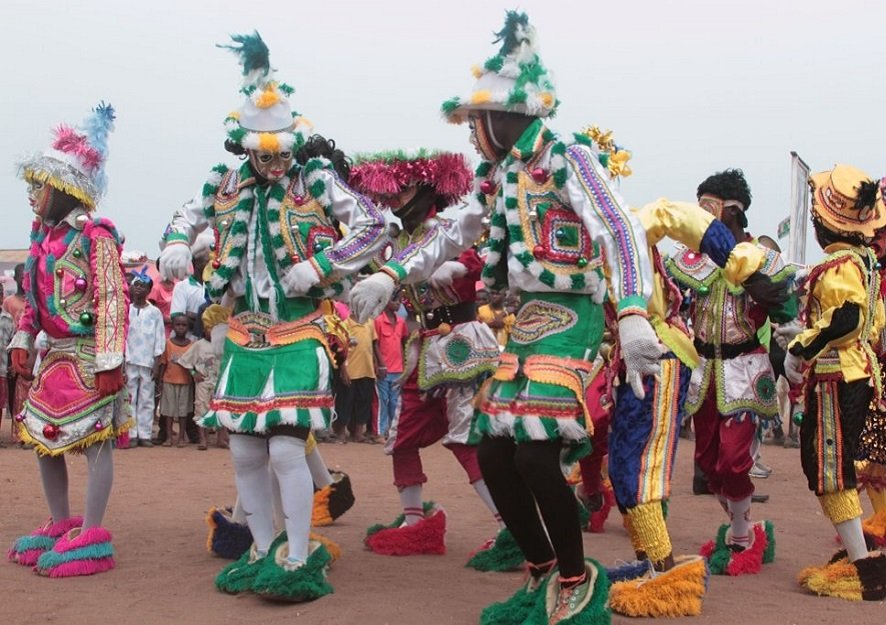
Masqueraders

Christmas has become an integral part of the African culture and different African communities have different ways of celebrating the birth of Jesus Christ. In Ethiopia, Eritrea and Egypt, Christmas is celebrated on January 7, therefore, nothing significant is done during the holiday season.

However, in all other parts of the continent,  there are activities which have become traditions during Christmas in Africa.

Below are some Christmas traditions in Africa you cannot miss when you visit.

1. Travelling

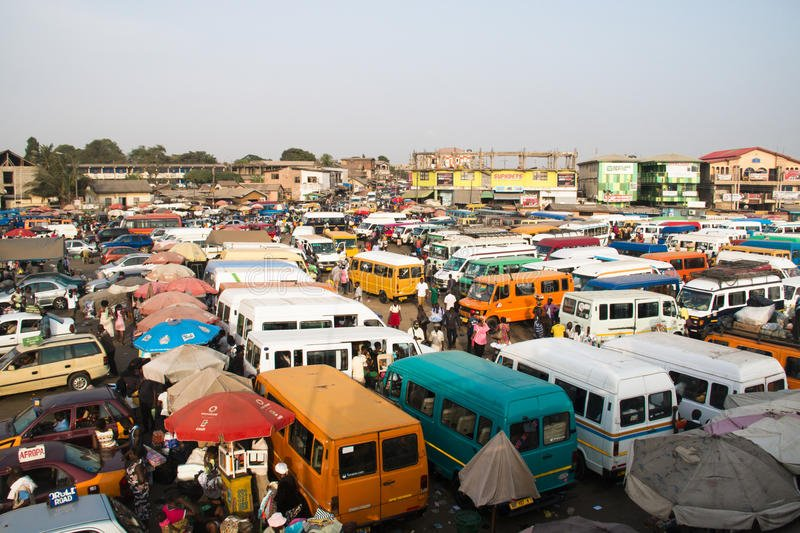
A lot of Africans travel to their villages on Christmas Eve so as to celebrate the day with family. The airports get filled up with Africans from the diaspora who usually opt for an African Christmas over the white variety. Who likes the cold anyway? Bus stations are also crowded with people who are in a haste to catch the festivities in villages and towns where their extended families live.

2. Roasting Meat

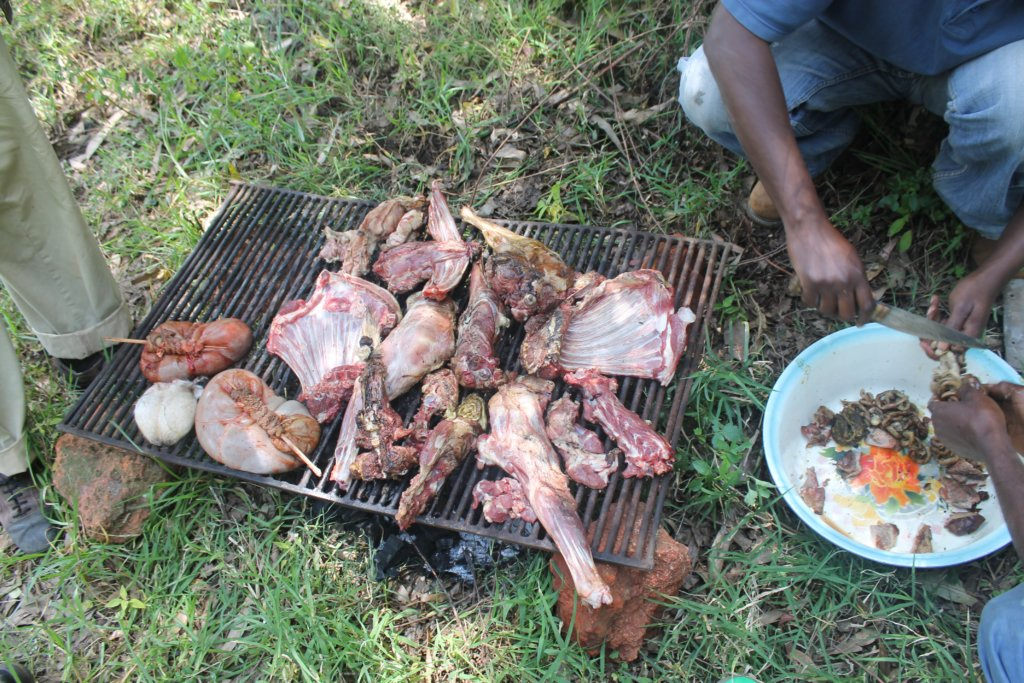
Goats are very much desired in many African communities for the Christmas festivities. In Ghana, Liberia, Nigeria and many parts of East Africa, goats are roasted on Christmas day to be eaten with either soup or rice with the family. Children are also offered biscuits and drinks as the elderly drink beer to the tune of music.

3. Masquerade Parties

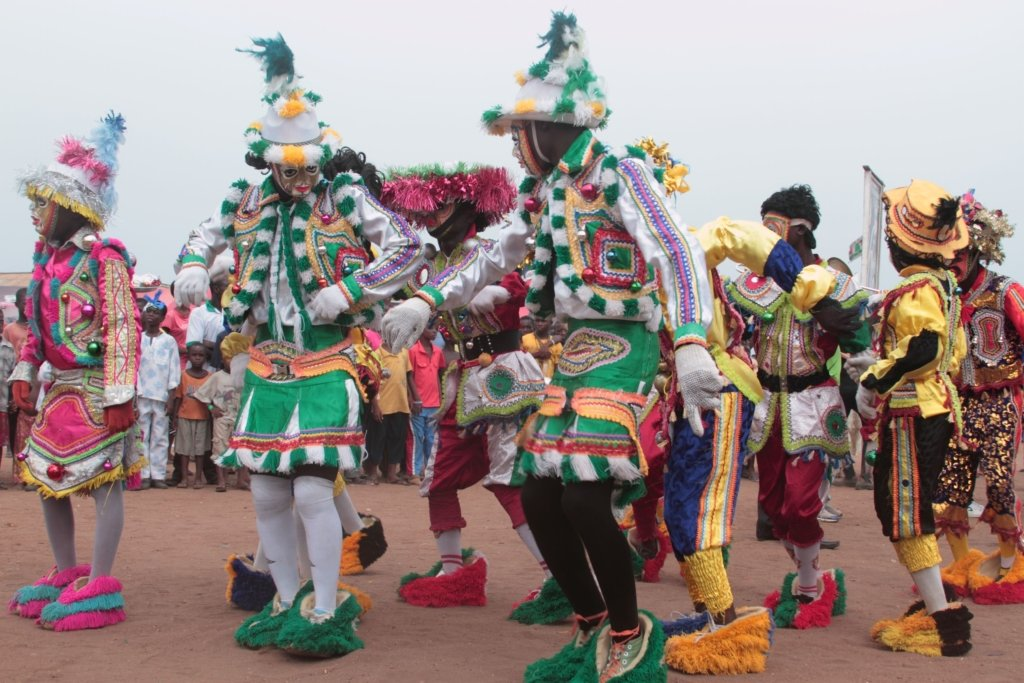
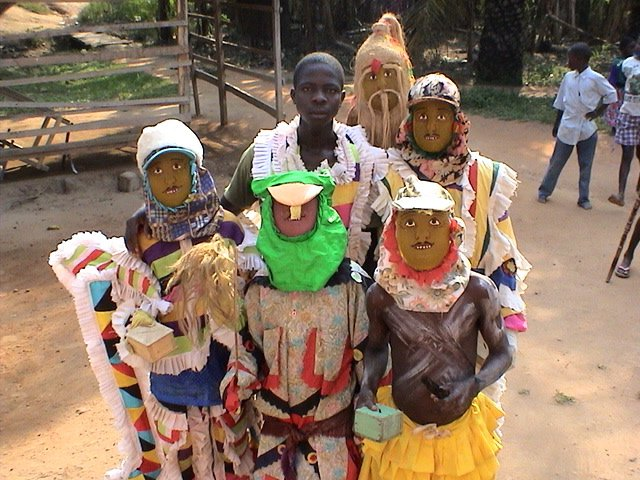
Many countries in West Africa including Sierra Leone, The Gambia and Liberia have masqueraders parading in streets, dancing and begging for money. They scare children and never leave until the parents hand out some money. In Takoradi, in the Western Region of Ghana, there is a masquerade carnival called the West Side Carnival which brings together hundreds of masked men and women displaying gymnastic skills.

4. Street Music

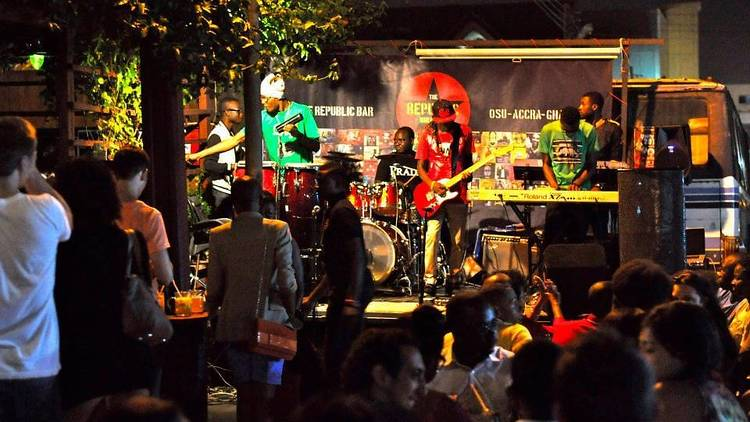
Music is blared on street corners in West Africa on Christmas Day as part of the festivities. Sometimes, no one could be found near the large speakers that could be heard many meters away in Ghana. The music is played in Ghana until the New Year. There are times when passersby stop to display their dance skills if they get moved by the local songs.

5. Trick or Treating

Unlike the Halloween tradition, children in Malawi go around knocking doors in anticipation of gifts on Christmas Day. Many families stock up biscuits and candies which are handed down to these children when they knock. Children in Liberia and Uganda sing Christmas songs for money when you open your door.

6. Trees and Stockings for Santa

Trees are put up in South Africa and children leave stockings for Santa outside their doors. This western-style Christmas is not observed in major parts of Africa. Palm trees are usually decorated in West Africa and there are no stockings or the expectation of Santa Claus. You will find fake trees at public places mounted by city authorities with decorations in Nigeria and Ghana.

7. Exchange of Gifts

Many African countries exchange gifts such as biscuits, soft drinks and food. You may receive some jollof rice and Fanta if you are in Ghana. You must reciprocate the kindness by also giving a gift. Anything will be appreciated as part of the holiday spirit.

8. New Clothes

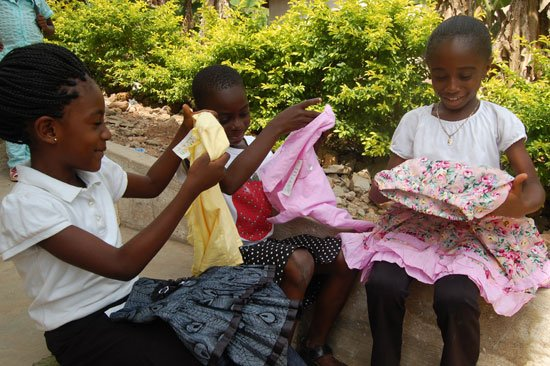
Christmas Day is the day to wear new clothes and hairdo in Africa. On December 25, many people come out looking dapper and the women wear makeup. Children are also dressed in new clothes and they are not afraid to flaunt what their parents bought for them during the season. It is not Christmas without new clothes.

9. Christmas Morning Church Service

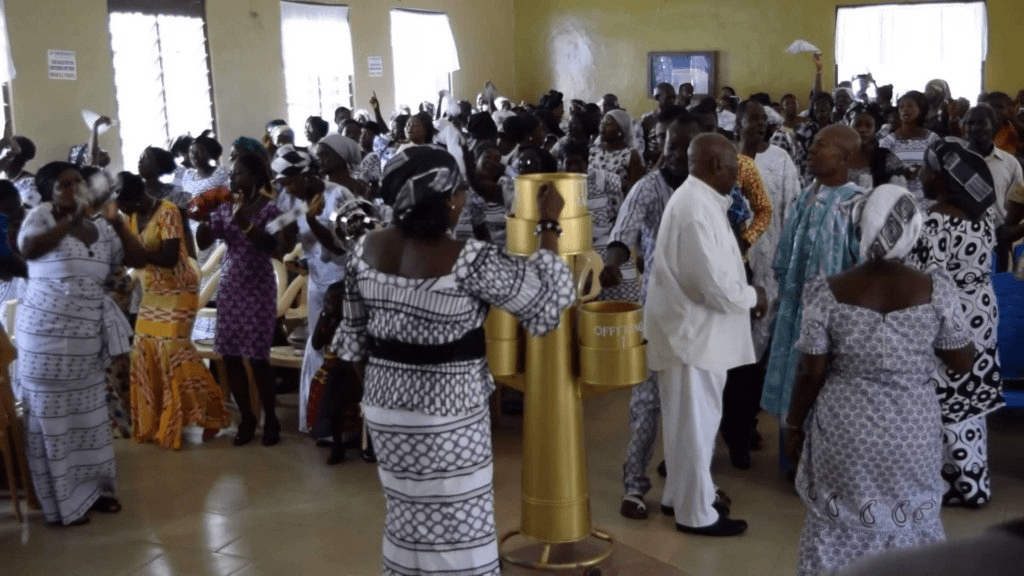
Many Christians in West Africa attend Christmas morning church services in addition to that of Christmas Eve. The church service is where new clothes are exhibited while the preacher talks about the story of the birth of Christ all over again. Carols are also sung in the decorated churches.

10. Christmas Decorations

Photo credit: Goodhousekeeping

Christmas decorations are a big part of the season in many African countries in Nigeria. In a true Christmas spirit, businesses, banks, and corporate bodies outdo themselves by putting up elaborate decorations around their office premises. Some houses also decorate trees and entrances with lights. Major cities also decorate streets, parks and buildings with lights and other Christmas paraphernalia.

11. Fireworks

Photo Credit: Epicfireworks

Fireworks go off at night in many African cities during the Christmas season. Many countries have banned fireworks but the ban takes little effect. However, you could find yourself in trouble if you ignore the laws and join in the firework activities.

This article by Ismail Akwei was first published on face2faceafrica.com
Have a Merry Christmas in 25 African languages

Santa Hats, Beards and Tinsel: Christmas Trade on African Streets/ Forbes Africa

Africa is blessed with over a thousand major languages spoken by millions of people in the continent’s 54 countries. Some languages are mutually intelligible as they share similar words and cross national boundaries due to inter-marriages and similar geographical location.

Christmas is not an African festival but it was adopted into many cultures after the European invasion by former colonial masters Portugal, the Netherlands and Britain who imposed the Christian religion on the traditional people.

December 25 is marked as the birthday of Jesus Christ by Christians and it comes with the greeting Merry Christmas. The greeting has been Africanized and here are 25 ways of saying Merry Christmas in African languages.

  1. Afrikaans (South Africa, Namibia) – Geseënde Kersfees
  2. Akan (Ghana, Ivory Coast, Benin) – Afishapa
  3. Amharic (Ethiopia) – Melikam Gena! (መልካም ገና!)
  4. Ashanti/Asante/Asante Twi (Ghana) – afehyia pa
  5. Chewa (Zambia, Malawi, Mozambique, Zimbabwe) – Moni Wa Chikondwelero Cha Kristmasi
  6. Dagbani (Ghana) – Ni ti Burunya Chou
  7. Edo (Nigeria) – Iselogbe
  8. Ewe (Ghana, Togo) – Blunya na wo
  9. Fula/Fulani (Niger, Nigeria, Benin, Cameroon, Chad, Sudan, Togo, Guinea, Sierra Leone) – Jabbama be salla Kirismati
  10. Hausa (Niger, Nigeria, Ghana, Benin, Cameroon, Ivory Coast, Togo) – barka dà Kirsìmatì
  11. Ibibio (Nigeria) – Idara ukapade isua
  12. Igbo/Igo (Nigeria, Equatorial Guinea) – E keresimesi Oma
  13. Kinyarwanda (Rwanda, Uganda, DR Congo) – Noheli nziza
  14. Lingala (DR Congo, Rep Congo, Central African Republic, Angola) – Mbotama Malamu
  15. Luganda (Uganda) – Seku Kulu
  16. Ndebele (Zimbabwe, South Africa) – Izilokotho Ezihle Zamaholdeni
  17. Shona (Zimbabwe, Mozambique, Botswana) – Muve neKisimusi
  18. Soga/Lasoga (Uganda) – Mwisuka Sekukulu
  19. Somali (Somalia, Djibouti) – Kirismas Wacan
  20. Sotho (Lesotho, South Africa) – Le be le keresemese e monate
  21. Swahili (Tanzania, Kenya, DR Congo, Uganda) – Krismasi Njema / Heri ya Krismasi
  22. Tigrinya (Ethiopia and Eritreia) – Ruhus Beal Lidet
  23. Xhosa/isiXhosa (South Africa, Zimbabwe, Lesotho) – Krismesi emnandi
  24. Yoruba (Nigeria, Benin) – E ku odun, e ku iye’dun
  25. Zulu (South Africa, Zimbabwe, Lesotho, Malawi, Mozambique, Swaziland) – UKhisimusi omuhle

This article by Ismail Akwei was first published on face2faceafrica.com
This African country uses sugarcane to produce a quarter of its electricity

Sugarcane processing in Mauritius — Photo: Phys.org

For decades, many countries in Africa depend on fossil fuels and non-renewable energy resources for electricity. The limited supply of these sources of energy has spurred a few countries to look for alternatives that will ensure an uninterrupted supply of electricity.

The island nation of Mauritius has resorted to using sugar cane, its main cash-crop, to produce about a quarter of its daily electricity needs combined with other renewable resources such as solar, wind and hydropower.

Dried and crushed sugarcane byproducts, which account for 14 percent of the electricity, is burned to produce energy through thermal power plants during the harvest season which starts in November, according to a report by AFP.

Four sugar companies on the island produce about 60 percent of the nation’s electricity using their own thermal power stations that also run on coal when there is no supply of sugarcane byproducts at the end of the harvest season.

“The government’s goal is to increase the share of renewable energy in the energy mix to 35 percent by 2025. The 35 percent is not far off; we will have 11 solar parks by next year and at least two wind farms,” said the deputy prime minister Ivan Collendavelloo who also doubles as energy minister.

“Independent producers in the sugar industry will continue to provide the largest share of renewable electricity,” AFP quotes the minister.

Omnicane, one of the sugar producing companies, receives tonnes of fresh-cut sugarcane from heavy trucks pulling huge trailers. The sugarcane is unloaded into a warehouse and 8,500 tonnes of sugarcane a day (900,000 tonnes yearly) are sent to the power facilities for processing, reports AFP.

“Electricity is available 24 hours a day, on demand, without having to wait for the wind or the sun, since we can store bagasse [cane stalks] as we would oil and coal,” said Jacques D’Unienville, Omnicane’s manager.

The sugarcane is crushed to extract juice for sugar processing. It is then soaked to extract all the juice and heated to dry before being squashed. The dried leftover is burned at the thermal power stations at 500 degrees Celsius to fuel turbines that produce electricity for the company and the national grid.

D’Unienville told AFP that the carbon dioxide produced during burning is also captured and used for the production of fizzy drinks.

However, the country is battling with the drop in sugar prices as a result of the European Union’s 2017 decision to end quotas and an increase in sugar production in Thailand, Brazil and India, creating a strict competition for the island’s farmers.

The number of small-scale farmers has fallen from 26,000 in 2010 to 13,000 in 2018, according to the state. Until a solution is found, the continuous fall of farmers could affect production and interrupt the power supply the island enjoys from its main cash crop.

Meanwhile, Ethiopia has built Africa’s first waste-to-energy plant which will incinerate 1,400 tons of waste every day from one of the largest waste landfills in Africa called Repi dumpsite which could cover 36 football pitches.

The plant will supply the people with 30 percent of their household electricity needs. The incineration plant will burn the rubbish in a combustion chamber. The heat produced will be used to boil water until it turns to steam, which drives a turbine generator that produces electricity.

Also, 250 million people in the Sahel region are poised to get 10,000MW of power through the development of solar power systems by 2025. The initiative, known as the Desert to Power programme, is led by the (African Development Bank) AfDB and other partners to turn Africa’s deserts into new sources of energy.

This article by Ismail Akwei was first published on face2faceafrica.com