READ: Patrice Lumumba’s most revealing letter written before his assassination

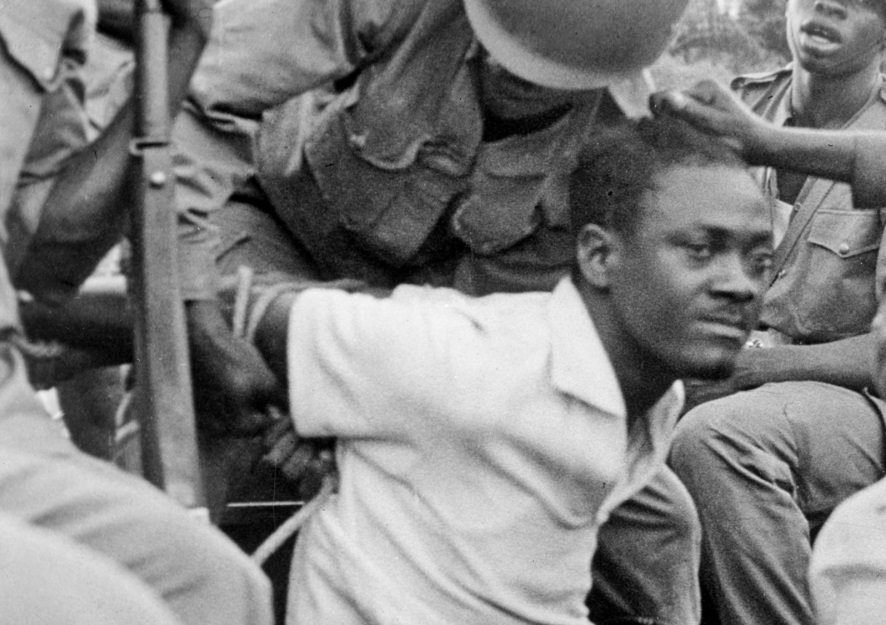
Congolese politician Patrice Lumumba after he was captured by soldiers under the command of Joseph Mobutu in 1960

Congolese politician and first Prime Minister of the independent Democratic Republic of Congo Patrice Emery Lumumba was assassinated on this day in 1961 at the age of 36.

Today marks 58 years after his death which was felt all over Africa and the world as he was filmed in captivity and manhandled by soldiers under the authority of his chief of staff Joseph-Desire Mobutu, who had taken over the country after a coup d’etat.

The United States, United Nations and former colony Belgium were complicit in his murder as they looked on while he was tortured despite letters he wrote for protection during the Congo Crisis. He fought against colonialism and found an alliance in the Soviet Union which is believed to be the reason the Western allies refused to help him.

Lumumba transformed the country in just three months in office and he strongly advocated for a united Africa until his death by firing squad. He is seen as one of the founding fathers of post-colonial Africa and a key advocate in the Pan-African movement.

He wrote many letters during his time in prison to political leaders, friends and family expressing his concern about his country’s situation and his hope for liberation.

Below is his last letter to his wife Pauline Lumumba in 1960 before he was assassinated.

My beloved companion,

I write you these words not knowing whether you will receive them, when you will receive them, and whether I will still be alive when you read them. Throughout my struggle for the independence of my country, I have never doubted for a single instant that the sacred cause to which my comrades and I have dedicated our entire lives would triumph in the end. But what we wanted for our country — its right to an honorable life, to perfect dignity, to independence with no restrictions — was never wanted by Belgian colonialism and its Western allies, who found direct and indirect, intentional and unintentional support among certain high officials of the United Nations, that body in which we placed all our trust when we called on it for help.

They have corrupted some of our countrymen; they have bought others; they have done their part to distort the truth and defile our independence. What else can I say? ‘That whether dead or alive, free or in prison by order of the colonialists, it is not my person that is important. What is important is the Congo, our poor people whose independence has been turned into a cage, with people looking at us from outside the bars, sometimes with charitable compassion, sometimes with glee and delight. But my faith will remain unshakable. I know and feel in my very heart of hearts that sooner or later my people will rid themselves of all their enemies, foreign and domestic, that they will rise up as one to say no to the shame and degradation of colonialism and regain their dignity in the pure light of day.

We are not alone. Africa, Asia, and the free and liberated peoples in every corner of the globe will ever remain at the side of the millions of Congolese who will not abandon the struggle until the day when there will be no more colonizers and no more of their mercenaries in our country. I want my children, whom I leave behind and perhaps will never see again, to be told that the future of the Congo is beautiful and that their country expects them, as it expects every Congolese, to fulfill the sacred task of rebuilding our independence, our sovereignty; for without justice there is no dignity and without independence there are no free men.

Neither brutal assaults, nor cruel mistreatment, nor torture has ever led me to beg for mercy, for I prefer to die with my head held high, unshakable faith, and the greatest confidence in the destiny of my country rather than live in slavery and contempt for sacred principles. History will one day have its say; it will not be the history taught in the United Nations, Washington, Paris, or Brussels, however, but the history taught in the countries that have rid themselves of colonialism and its puppets. Africa will write its own history and both north and south of the Sahara it will be a history full of glory and dignity.

Do not weep for me, my companion; I know that my country, now suffering so much, ‘will be able to defend its independence and its freedom. Long live the Congo! Long live Africa!

PATRICE 

Source: Jean Van Lierde ed., Lumumba Speaks: The Speeches and Writings of Patrice Lumumba, 1958-1961 (Boston: Little, Brown and Company, 1972).

This article by Ismail Akwei was first published on face2faceafrica.com
Scientist keeps Nobel Prize despite claiming white people are born with higher IQ than blacks

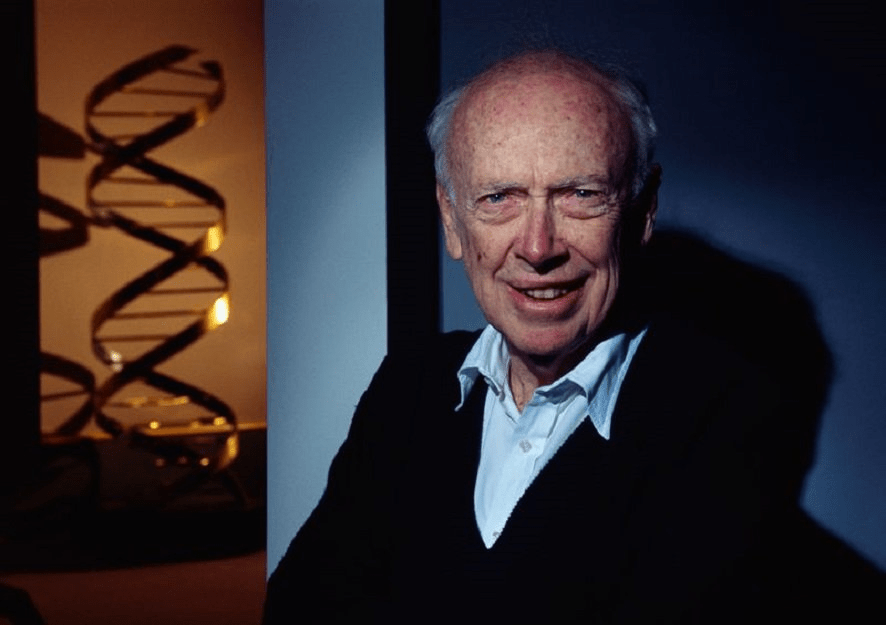
Scientist James Watson — Photo: Smithsonian Magazine

American DNA pioneer James Watson who was recently stripped of his honorary titles at a leading research institution in New York for repeating racist views he expressed in 2007, will keep the 1962 Nobel Prize he won with two others for his part in discovering the DNA double helix.

In 2007, the now 90-year-old Watson told Britain’s Sunday Times newspaper that “there are many people of color who are very talented” but he is “inherently gloomy about the prospect of Africa.”

“All our social policies are based on the fact that their intelligence is the same as ours — whereas all the testing says not really,” the geneticist said at the time, adding that he hoped everyone was equal but “people who have to deal with black employees find this is not true.”

After a heavy backlash, he apologized in a statement saying: “I cannot understand how I could have said what I am quoted as having said. There is no scientific basis for such a belief.”

The apology only led to his suspension from the research institution until he resurfaced in 2018 in a new PBS film, American Masters: Decoding Watson, in which he said his views had since not changed.

In the documentary which aired earlier this month, Watson said that genes cause a difference in intelligence between white and black people in IQ tests. A comment described by Long Island’s Cold Spring Harbor Laboratory (CSHL) as “reprehensible”, “reckless” and “unsupported by science”.

Dr Watson was stripped of three titles – chancellor emeritus, Oliver R. Grace Professor Emeritus, and honorary trustee – from CSHL where he has a school named after him following his service as its director in 1968, president in 1994 and chancellor a decade later.

He will keep his Nobel Prize because the Norwegian Nobel Institute says its rules did not provide for the possibility of withdrawing the honour from laureates.

“It is not possible to strip a Nobel laureate of his or her award once bestowed… None of the prize awarding committees in Stockholm and Oslo has ever considered revoking a prize after it has been awarded,” says Olav Njolstad, the head of the institute, in an email to The Associated Press in response to a petition to revoke the 1991 Nobel Peace Prize awarded to Myanmar’s Aung Sang Suu Kyi.

The same applies to James Watson who is not the first laureate to make such racist claims. William B. Shockley, a Nobel laureate for his work with transistors, in later life developed ideas of eugenics based on the supposed intellectual inferiority of blacks, cites the New York Times.

Dr Watson’s son came to his aid claiming his father’s awareness of his surroundings were “very minimal” since he is in a nursing home as a result of a car crash in October.

“My dad’s statements might make him out to be a bigot and discriminatory… [but] they just represent his rather narrow interpretation of genetic destiny… My dad had made the lab his life, and yet now the lab considers him a liability,” he was quoted by British media Sky News.

However, in 1997, he was quoted by Britain’s Sunday Telegraph as saying that if a gene for homosexuality were found in the fetus or for any reason, women should be allowed to abort a child.

He also said during a lecture tour in 2000 that there might be links between a person’s weight and their level of ambition and between skin colour and sexual prowess, reports the Associated Press.

Also in 2003, he said in a British TV documentary that stupidity was a genetic disease that should be treated.

For centuries, black people have been subjects of research on intelligence and there is no scientific proof that suggests black people were inferior to white people.

This article by Ismail Akwei was first published on face2faceafrica.com
15 facts about Martin Luther King Jr. you might not know

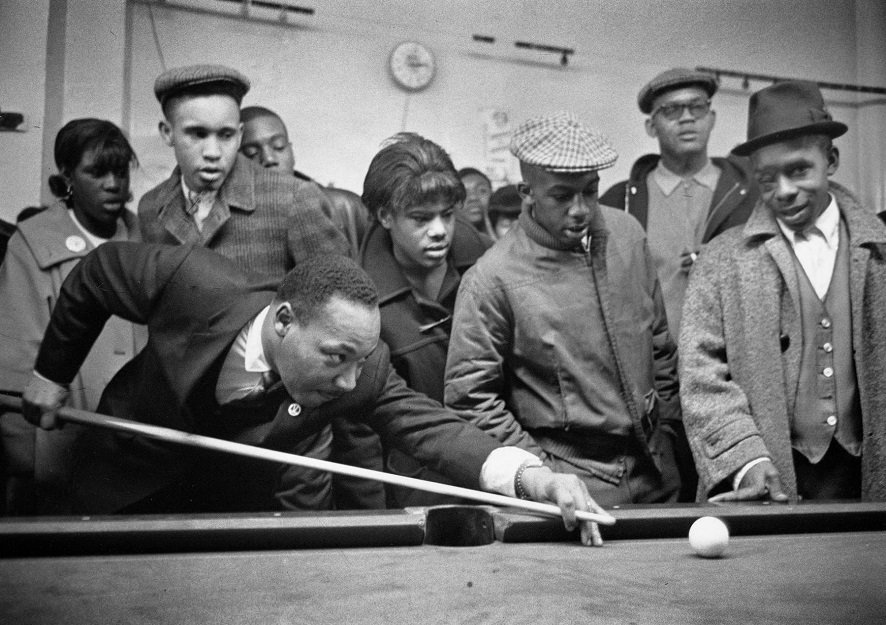
Dr. King playing pool in Chicago in 1966. Photo: NYT

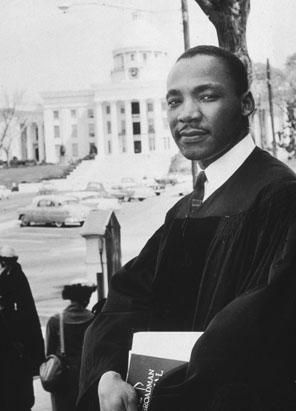
Legendary civil rights activist Dr Martin Luther King Jr. born on January 15, 1929, and until he was fatally shot on April 4, 1968, in Memphis, Tennessee at the age of 39, he was a preacher who used the tactics of nonviolence and civil disobedience to fight for equality and justice.

King was an interesting person besides his known roles in social activism which led to his death. Posthumously, King continues to make waves and currently, all the states in the U.S. annually observe the third Monday of January as Martin Luther King Jr. Day.

Here are some facts about Dr King you might not know:

Dr Martin Luther King Jr. was a smoker, but he hid his habits to avoid stigma and controversy as a Christian leader. It is reported that King was smoking on the balcony of the Memphis hotel before he was shot.

Until 2011, Dr Martin Luther King Jr. was the youngest person to win the Nobel Peace Prize. He was just 35 years old when he won it in 1964. King donated all the Nobel Peace Prize money – $54,123 – to the Civil Rights movement.

After serving as minister of Dexter Avenue Baptist Church in Montgomery, Alabama, King moved to Atlanta to become co-pastor of Ebenezer Baptist Church with his father. He was ordained in 1948 and had served in Montgomery till 1954.

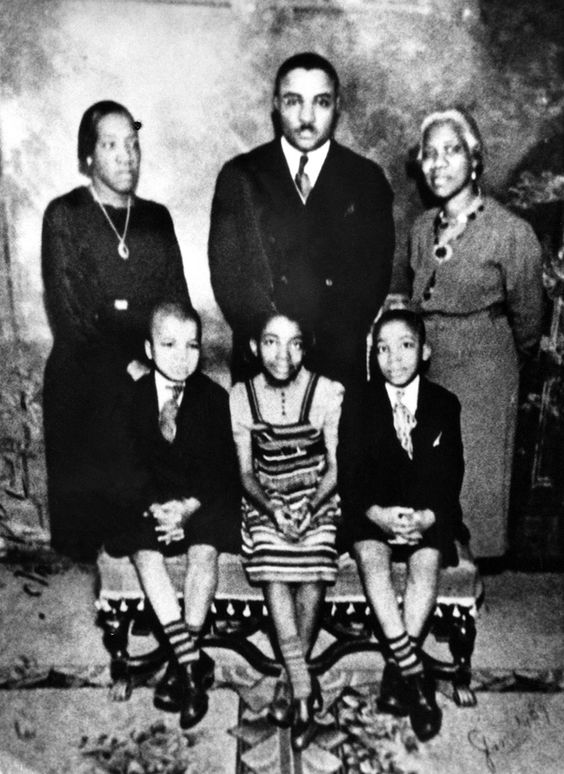
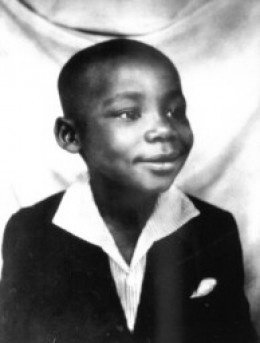
MARTIN LUTHER KING,Jr. appears(front row, right) in an early photo with his family.

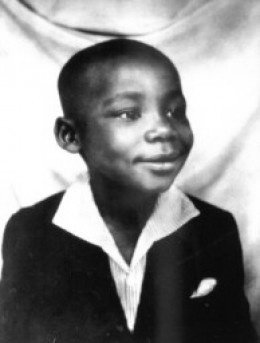
Dr Martin Luther King Jr.’s was named “Michael” when he was born. His father Martin Luther King Sr. who was also called Michael changed their names to Martin after visiting Germany where he was inspired by the Protestant leader Martin Luther.

Dr Martin Luther King Jr.’s first published speech was when he was 15 and a junior in high school. It was titled, “The Negroe and the Constitution”.

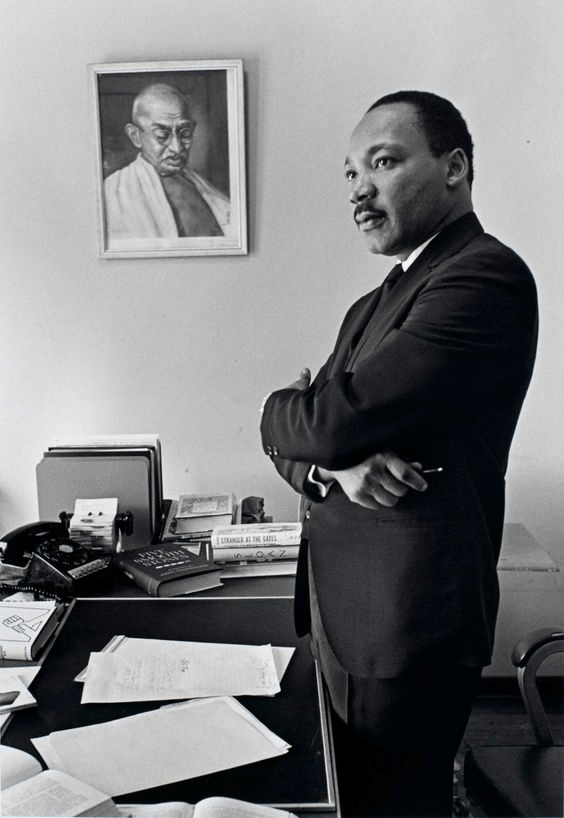
Dr. Martin Luther King Jr. in the SCLC Office, Atlanta, Georgia, 1966 by Bob Fitch. Courtesy of Bob Fitch Photo Archive Stanford University libraries.

Dr. Martin Luther King Jr. in the SCLC Office, Atlanta, Georgia, 1966 by Bob Fitch. Courtesy of Bob Fitch Photo Archive Stanford University libraries.

Martin Luther King Jr. with his sister Christine King Farris

King skipped the 9th and 12th grade and started his education at Morehouse College when he was 15. He joined the Alpha Phi Alpha fraternity and graduated in 1948 with a Bachelor of Arts in Sociology.

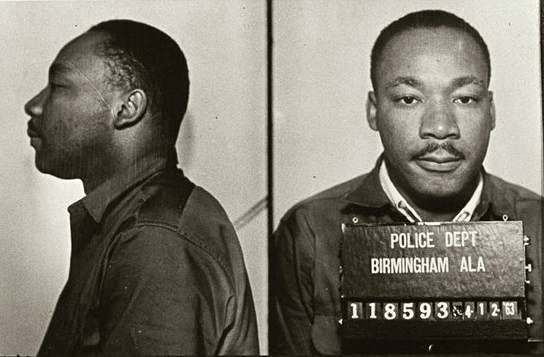
King was arrested 30 times and charged with everything including speeding and acts of civil disobedience.

MARTIN LUTHER KING,Jr. appears(front row, right) in an early photo with his family.

Kings mother Alberta Williams King was also shot and killed in 1974 while playing the organ at church in Atlanta. 23-year-old Marcus Wayne Chenault who shot her said: “all Christians are my enemies”.  

Dr. Martin Luther King, Jr. delivers his famous “I Have a Dream” speech in front of the Lincoln Memorial during the Freedom March on Washington in 1963.

The iconic August 28, 1963 “I Have a Dream” speech delivered by Dr Martin Luther King Jr. was not the original speech prepared by his lawyer, speechwriter and confidant Clarence B. Jones. He spoke off the cuff.

Dr Martin Luther King Jr. won a Grammy for Best Spoken Word Album in 1971. The posthumous honour was given for his album Why I Oppose the War in Vietnam.

Martin Luther King Jr. is the only non-president to have a national holiday in his honour. He is also the third to have a national holiday after presidents George Washington and Christopher Columbus.

King is reported to have attempted suicide when he was 12 years old. This was after he disobeyed his parents by going to watch a parade, and returned home to the death of his grandmother who suffered a heart attack. He jumped from the second storey window of his house.

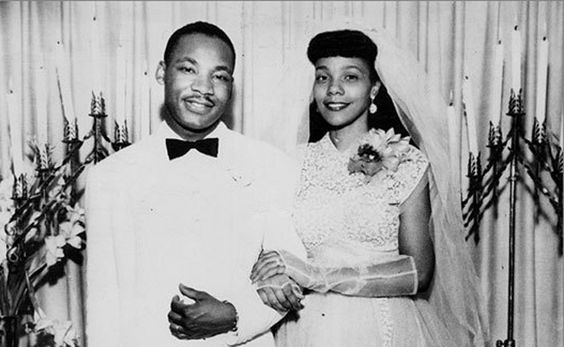
King spent his honeymoon at a funeral parlour that belonged to his friend. This was the only option to have a romantic break due to the segregation at the time that prevented them from getting a decent hotel.

There are over 700 streets in the United States named after Martin Luther King Jr.

This article by Ismail Akwei was first published on face2faceafrica.com
Why the Swiss haven’t stopped Cameroon’s dictator from lavishly staying in Geneva

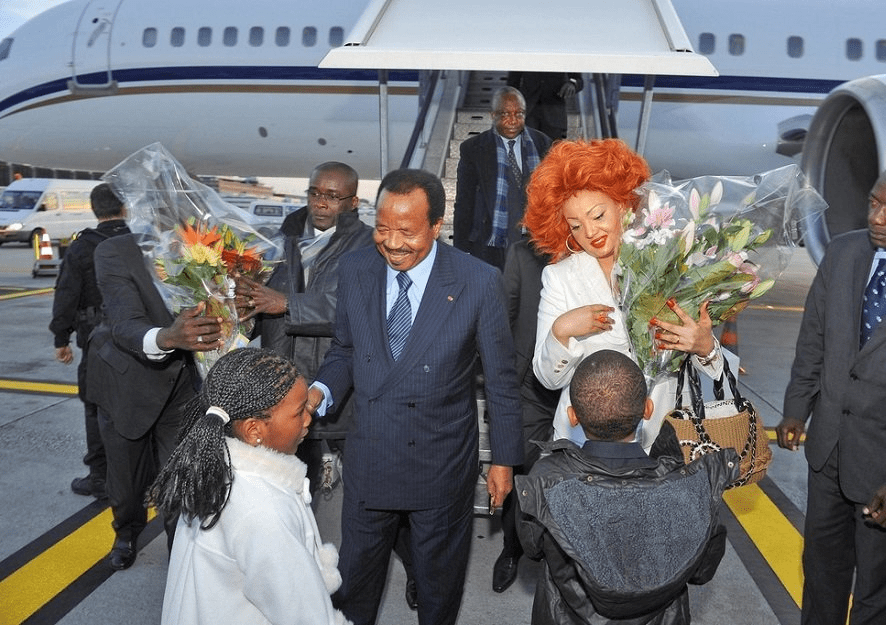
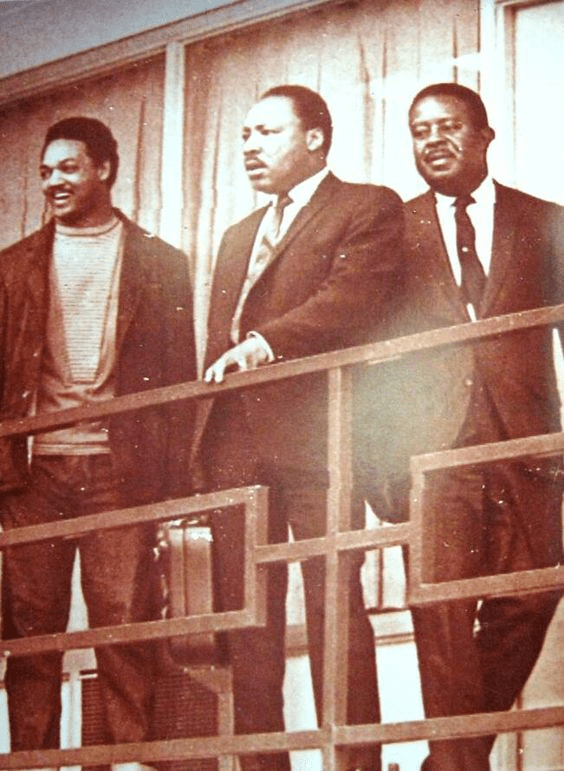
Cameroon President Paul Biya and his wife Chantal Biya arrive in Geneva for the Summit of French-speaking Nations in October 2010 — Photo:

Cameroonian leader Paul Biya is known for living a notoriously lavish lifestyle in Geneva where he has unofficially created a seat of government in a 5-star hotel.

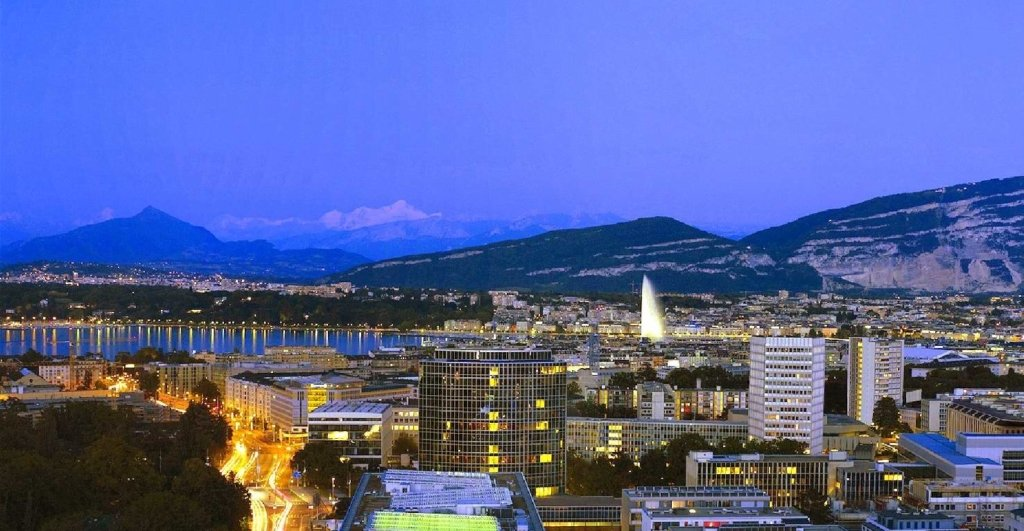
The 85-year-old has spent a lot of his time as president at the Hotel Intercontinental which has a great view of the Swiss Alps. Several former hotel managers have told the Wall Street Journal (WSJ) that the hotel reserves the entire sixteenth floor for Biya and his entourage who sometimes take an extra 30 rooms on other floors.

View of the Intercontinental Hotel — Photo: swisshoteldata.ch

According to an early 2018 report by the Organized Crime and Corruption Reporting Project (OCCRP), Biya spent at least 1,645 days on private visits abroad since he came to power in 1982 costing the Cameroonian taxpayers $65 million, exclusive of food, private jet and entertainment.

The OCCRP estimates, which were based on publicly available hotel room prices, state that Biya spends around $40,000 per day for one stay at the hotel with his entourage. Biya’s former chief advisor, Christian Penda Ekoka, told the WSJ that the money was paid in cash and came directly from the country’s treasury.

Cameroonians demonstrating in front of the hotel in Geneva — Photo: Cameroon Intelligence Report

Cameroonians have demonstrated against the expenditure of the president in Switzerland which has taken a toll on the country’s economy and development. The Northwest and Southwest regions of the country have been protesting against marginalization and inadequate development.

Meanwhile, Biya continued his governance from Switzerland and ordered the military to quell dissent, a move that added to the long list of problems facing the country including corruption, poverty, weak institutions and dictatorship.

These developments prompted Swiss news site, swissinfo.ch, to ask why Switzerland is not acting on Paul Biya’s lavish stay in the country while his people continue to face hardships.

“Foreign heads of state can – in a private capacity – stay in Switzerland without the federal authorities being formally informed or involved in the visit,” swissinfo.ch quotes the foreign ministry in a report.

The ministry said Biya enjoys diplomatic immunity as a head of state. “As for the members of his entourage, the statute they may be granted in Switzerland is examined on a case by case basis, according to the aim of the visit and the function they perform,” the ministry added.

According to Marc Guéniat, Senior Researcher at Swiss NGO Public Eye, Biya has the right to travel to Geneva as a legitimate head of state, but “what is problematic is that he spends so much time at taxpayers’ expense, taking over an entire floor of a 5-star hotel,” he told swissinfo.ch.

Photo: erasmus.gr

For analyst, Daniel Warner, who is a retired former deputy head of the Geneva Institute of International and Development Studies, “Unless he’s on trial somewhere, it’s a political question and a judgment question, and as a neutral country what do you expect the Geneva or Swiss authorities to do? If he’s wanted for a crime, that would be something different, but there is no formal legal process against him.”

The report further expatiated on why huge amounts of cash are allowed in Geneva by Paul Biya stating that Switzerland does not automatically require a declaration when importing large amounts of cash of at least CHF10,000 ($10,000). However, Swiss customs officials can request information on the money if there is suspicion of money laundering or terrorist financing.

It seems Paul Biya will continue his lavish stay in Geneva unabated until the end of his regime which is the longest-ruling non-royal government dispensation in the world.

This article by Ismail Akwei was first published on face2faceafrica.com
Meet the Liberian-born entrepreneur who just acquired Essence magazine

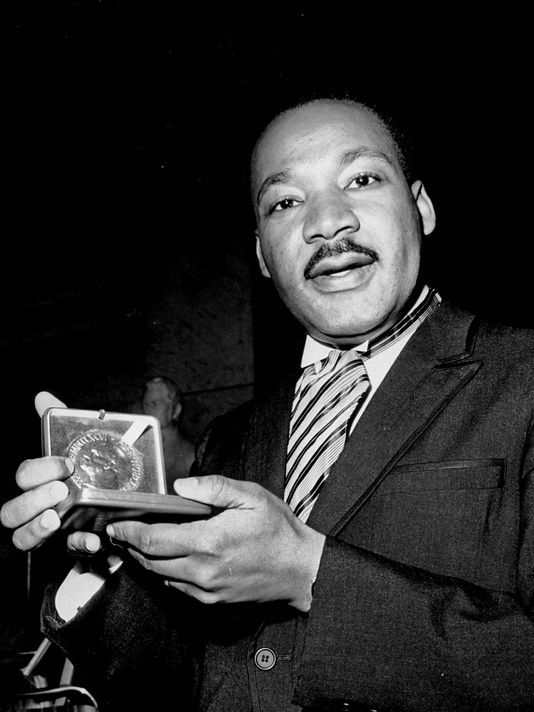
Liberian Richelieu Dennis who just acquired Essence magazine — Photo Credit: Newsday.com

An independent black company Essence Ventures LLC just acquired Essence, the premier black women’s lifestyle magazine, from Time Inc. This acquisition makes Essence a fully black-owned publication for the first time in nearly two decades.

The owner of Essence Ventures LLC is a 48-year-old Liberian entrepreneur, investor, and philanthropist Richelieu Dennis. He is the co-founder of the personal-care products company Sundial Brands, which he started with his mother Mary and college roommate, Nyema Tubman in 1991.

Dennis was born and raised in Liberia where he lived with his parents. His father died when he was 8 and he moved with his mother to her native country Sierra Leone together with his sister. Both countries faced growing tensions at the time and Dennis gained a scholarship to the United States where he attended Babson College in Massachusetts.

He graduated in 1991 when his home country and Sierra Leone were both facing civil war. His mother joined him after escaping the first civil war which lasted between 1989 and 1997.

Dennis could not return home, therefore, he teamed up with his college roommate Nyema Tubman to make soaps and other natural products. He had some recipes from his Sierra Leonean grandmother, Sofi Tucker, who made soaps with shea butter and salves.

They moved with his mother from Boston to Queens in New York after launching Sundial Brands. They sold raw black soaps and essential oils on the streets of Harlem and Bed-Stuy before they later rented a van to move the products to street vendors and shops.

They continued to grow progressively and are currently valued at $700 million in 2015, reports Fast Company. They created brands including SheaMoistureNubian Heritage, and Madam C.J. Walker Beauty Culture which are sold in large stores like Sephora, Target, Walmart, and Whole Foods.

They sold minority stakes to private-equity firm Bain Capital in 2015 and currently, Richelieu Dennis’s mother is Sundial’s treasurer.

Dennis founded Essence Ventures in 2017 to focus on “merging content, community, and commerce to meet the evolving cultural and lifestyle needs of women of color.”

Richelieu Dennis has never forgotten about his home country Liberia where he visits regularly. He even granted an interview to the New York Times on the acquisition of Essence magazine while on a flight from Liberia to the United States on Wednesday.

He also purchases over 250,000 kilos of raw shea butter from Africa – Ghana – where Sundial provides a seven-fold increase in income for each member of the local and women-led cooperatives that supply the product.

This article by Ismail Akwei was first published on face2faceafrica.com